Tips for Working Well with a Camera Crew to Elevate Your Video Production

In today’s digital age, video content is a powerful tool for marketing, branding, and storytelling. Whether you are producing a corporate video, a commercial, or an internal training module, working efficiently with a professional camera crew is crucial to achieving high-quality results. Here are some expert tips to ensure a seamless collaboration with your camera crew and make the most out of your production day.

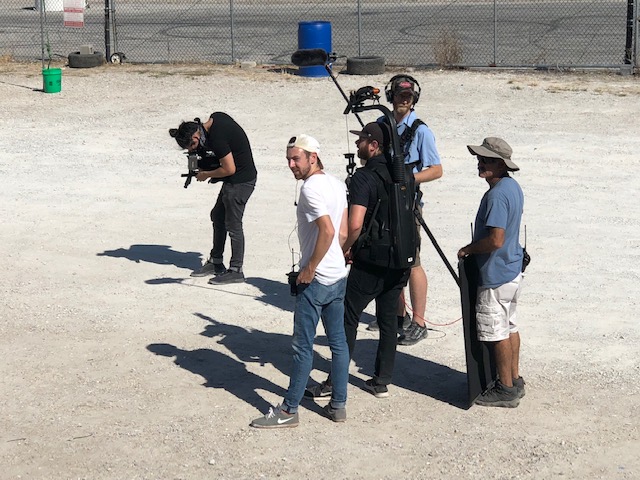
Avoid cramming too many shots into one production day. A well-paced schedule allows the crew to focus on quality rather than rushing through scenes.

1. Define Your Goals and Objectives Clearly

Before the cameras start rolling, it’s essential to have a clear vision of your project. Outline your objectives, target audience, key messages, and intended outcomes. Providing the crew with a well-structured creative brief helps them align their expertise with your vision and make informed decisions about lighting, composition, and shooting styles.

2. Communicate Your Expectations in Advance

A well-organized shoot begins with solid pre-production planning. Share key details with the camera crew ahead of time, including:

  • The type of shots needed (e.g., close-ups, wide angles, drone footage)
  • Preferred shooting locations
  • Required equipment (e.g., stabilizers, specialized lenses, green screens)
  • The tone and style of the video

Providing this information in advance ensures that the team arrives prepared, reducing delays and optimizing production time.

3. Trust the Crew’s Expertise

A professional camera crew brings a wealth of experience to your production. They understand how to manipulate lighting, angles, and movement to enhance the visual storytelling. While it’s important to communicate your vision, trusting the crew’s expertise allows for creative flexibility and technical precision that can elevate the final product.

4. Plan for Lighting and Sound Considerations

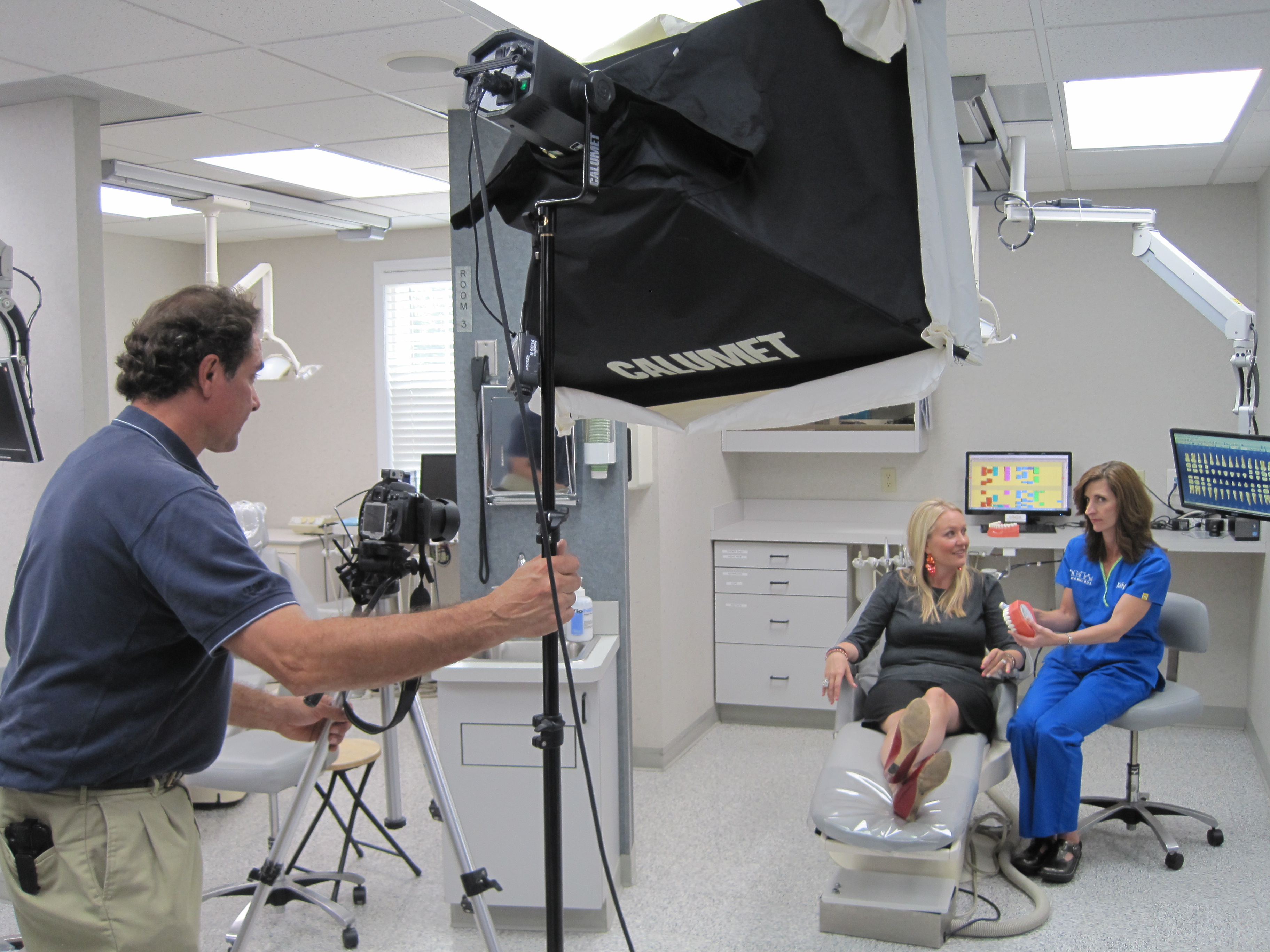
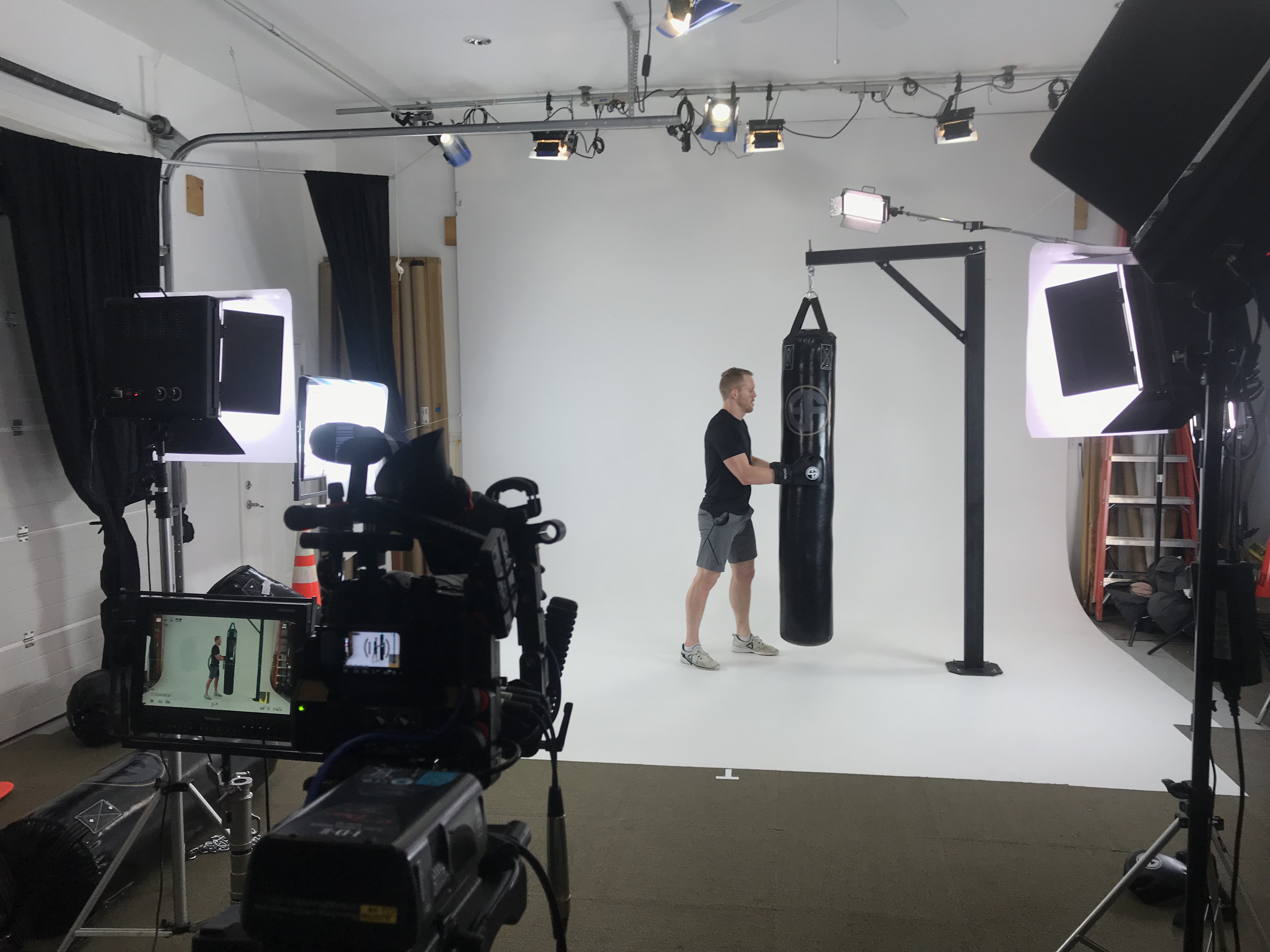
Lighting and sound quality can make or break a video. If you’re shooting indoors, consider the available lighting and whether additional equipment, such as softboxes or reflectors, is necessary. If shooting outdoors, be mindful of natural light conditions and background noise. Your camera crew will have the necessary tools to adjust for these factors, but planning for them in advance helps streamline the process.

5. Keep a Realistic Schedule

Avoid cramming too many shots into one production day. A well-paced schedule allows the crew to focus on quality rather than rushing through scenes. Consider the time needed for:

  • Setting up and adjusting equipment
  • Multiple takes for perfect shots
  • Sound and lighting modifications
  • Unexpected challenges like weather changes or technical adjustments

A flexible yet structured schedule leads to a more productive and efficient shoot.

6. Be Open to Direction and Collaboration

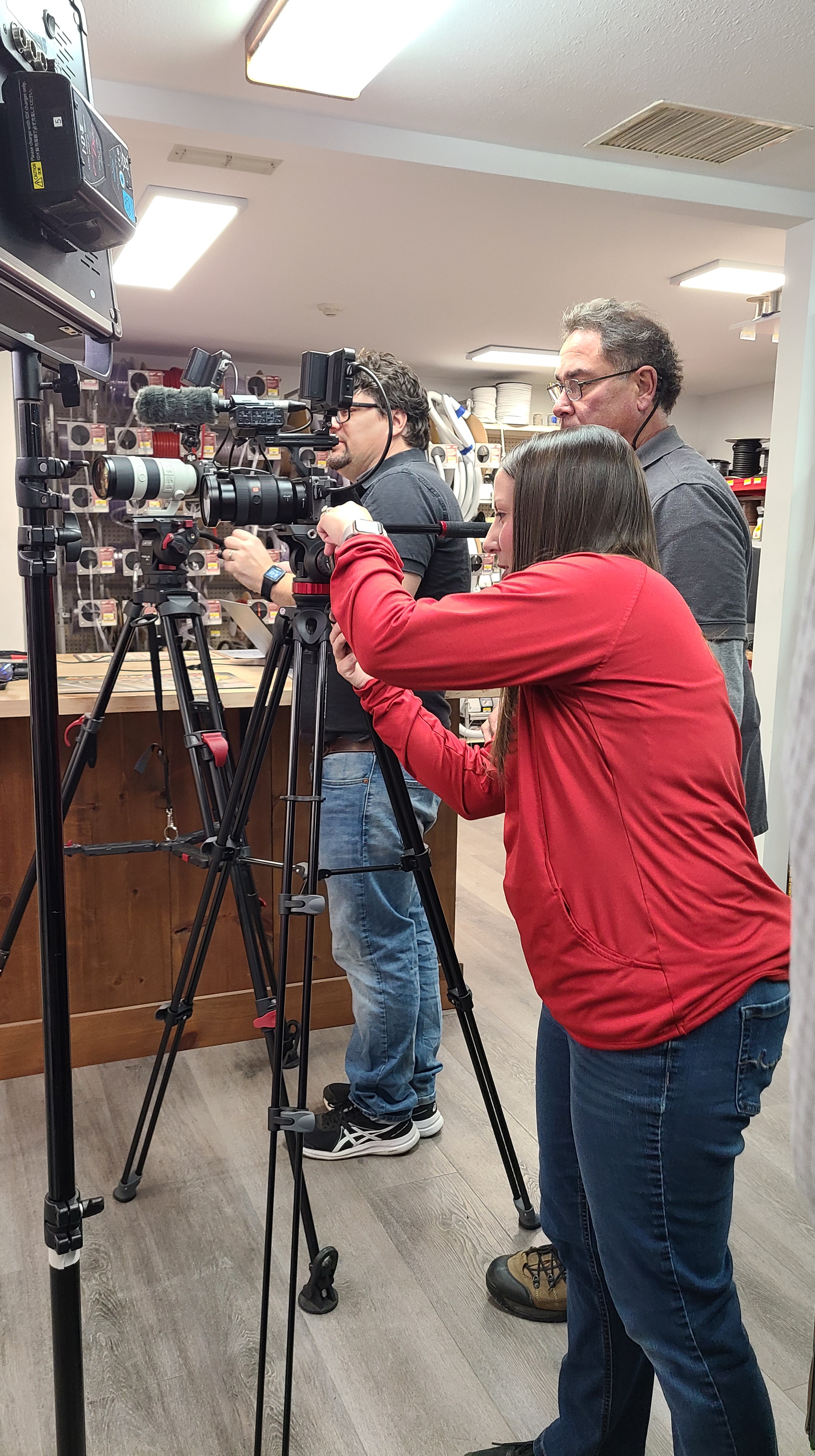
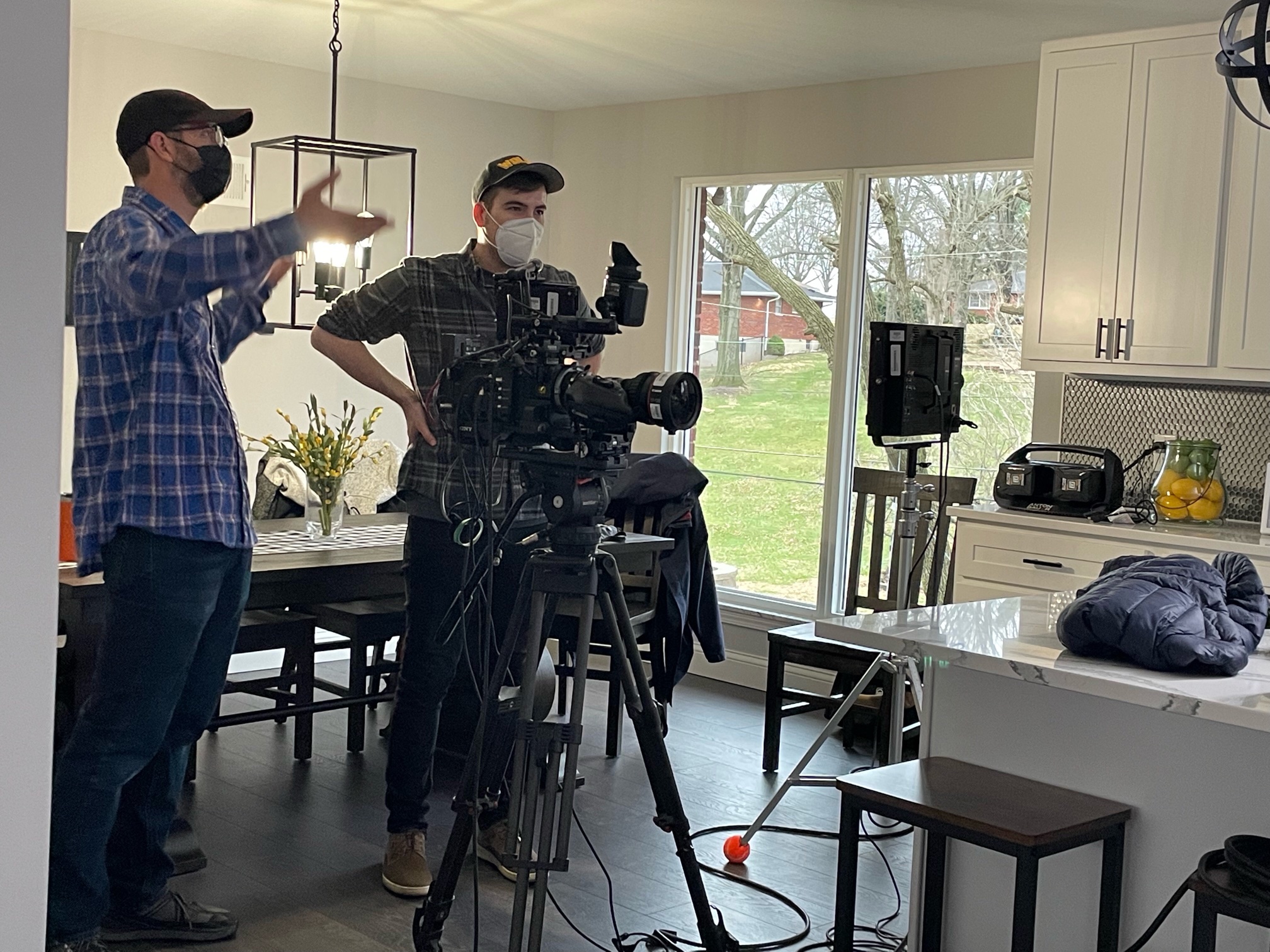
A great video is the result of teamwork. While you may have a specific vision in mind, be open to suggestions from the camera crew. They can offer insights on framing, pacing, and shot composition that you may not have considered. Collaborating effectively ensures a visually compelling and professional final product.

7. Ensure a Comfortable Environment for On-Camera Talent

If your production involves interviews or speaking roles, helping your talent feel comfortable on camera is key. Encourage a relaxed atmosphere by providing:

  • A clear briefing on what to expect
  • Adequate rehearsal time
  • A distraction-free environment
  • Encouragement and positive reinforcement

Your camera crew can also provide tips to help subjects appear more natural on screen, leading to more engaging and authentic footage.

8. Understand Post-Production Needs

Once the shoot is complete, the footage will go into editing. Having a clear plan for post-production can save time and improve workflow. Discuss elements like:

  • Desired video length
  • Graphics, animations, or overlays
  • Music and sound design
  • File formats and distribution needs

Your camera crew and editing team can tailor the post-production process to align with your goals, ensuring a polished and professional end result.

Why Choose St. Louis Camera Crew?

At St. Louis Camera Crew, we are more than just a team with cameras—we are a full-service professional commercial photography and video production company dedicated to bringing your vision to life. Our experienced crew, top-tier equipment, and creative approach ensure successful image acquisition in any setting.

We offer studio and location video and photography services, expert editing, post-production, and licensed drone pilots for high-quality aerial footage. Our private studio lighting and visual setups are ideal for small productions and interview scenes, with ample space for custom sets and props. Whether you need a custom interview studio setup, sound and camera operators, or specialized drone operations—including indoor drone flying—our team has the skills and tools to make your next video production seamless.

Since 1982, St. Louis Camera Crew has been the trusted partner of businesses, marketing firms, and creative agencies in the St. Louis area, delivering high-impact visual content tailored to diverse media requirements. We specialize in repurposing photography and video branding to maximize audience engagement and marketing traction.

From pre-production planning to final edits, our full-service approach ensures that your video production meets the highest professional standards. Let us help you craft compelling visuals that leave a lasting impression—contact St. Louis Camera Crew today!
314-913-5626

stlouiscameracrew@gmail.com

How to Choose the Right Tools for Your Training Videos

Creating an effective training video for your business involves much more than just filming. To ensure your content is engaging, clear, and professional, selecting the right tools is crucial. These tools help you capture high-quality visuals and sound, ensure smooth editing, and enhance the overall experience for your viewers. Whether you’re producing onboarding material, product tutorials, or technical training, the tools you choose will directly impact the final product. In this post, we’ll provide expert advice on how to choose the right tools for your training videos, ensuring your production meets the highest standards.

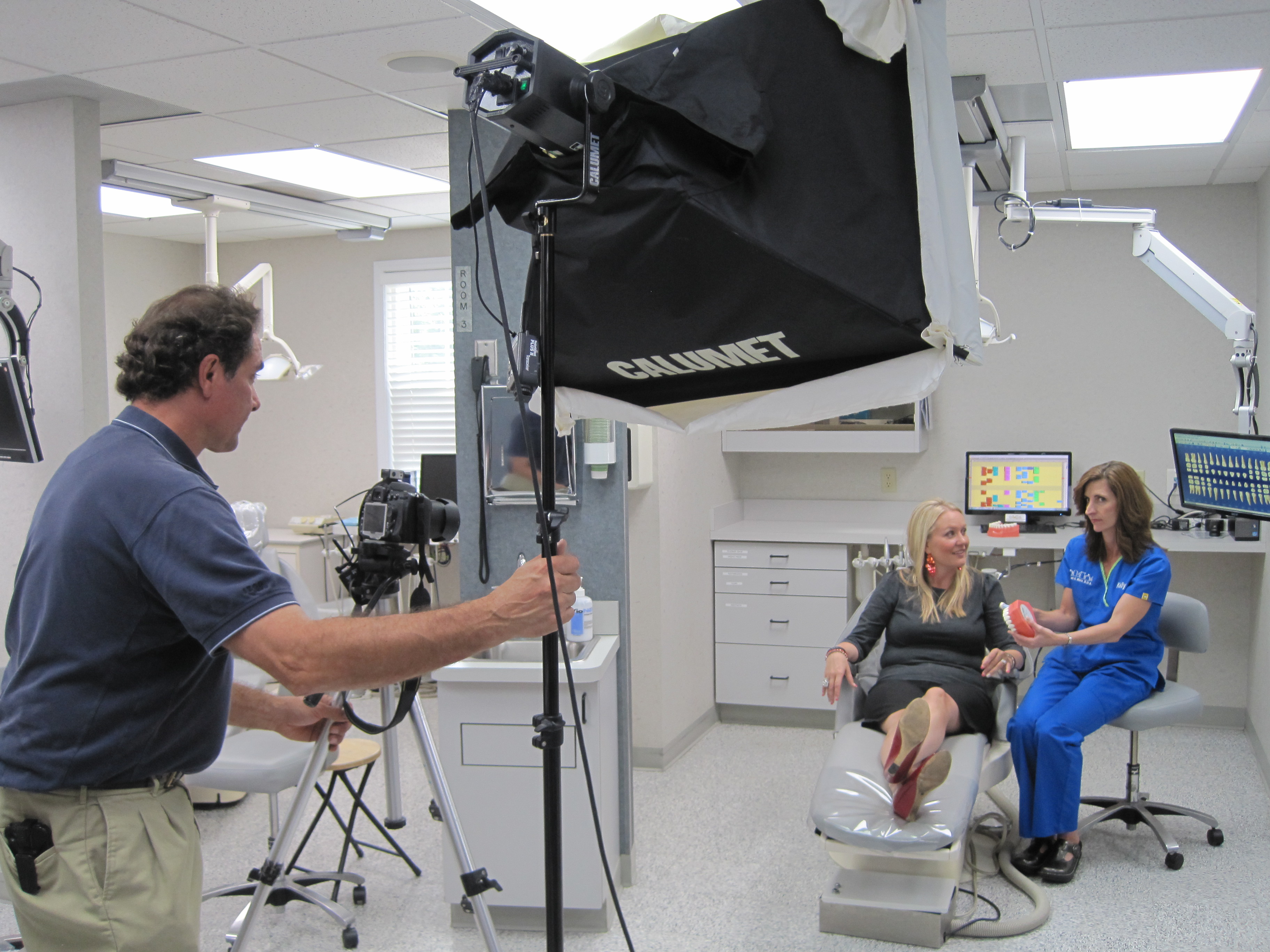
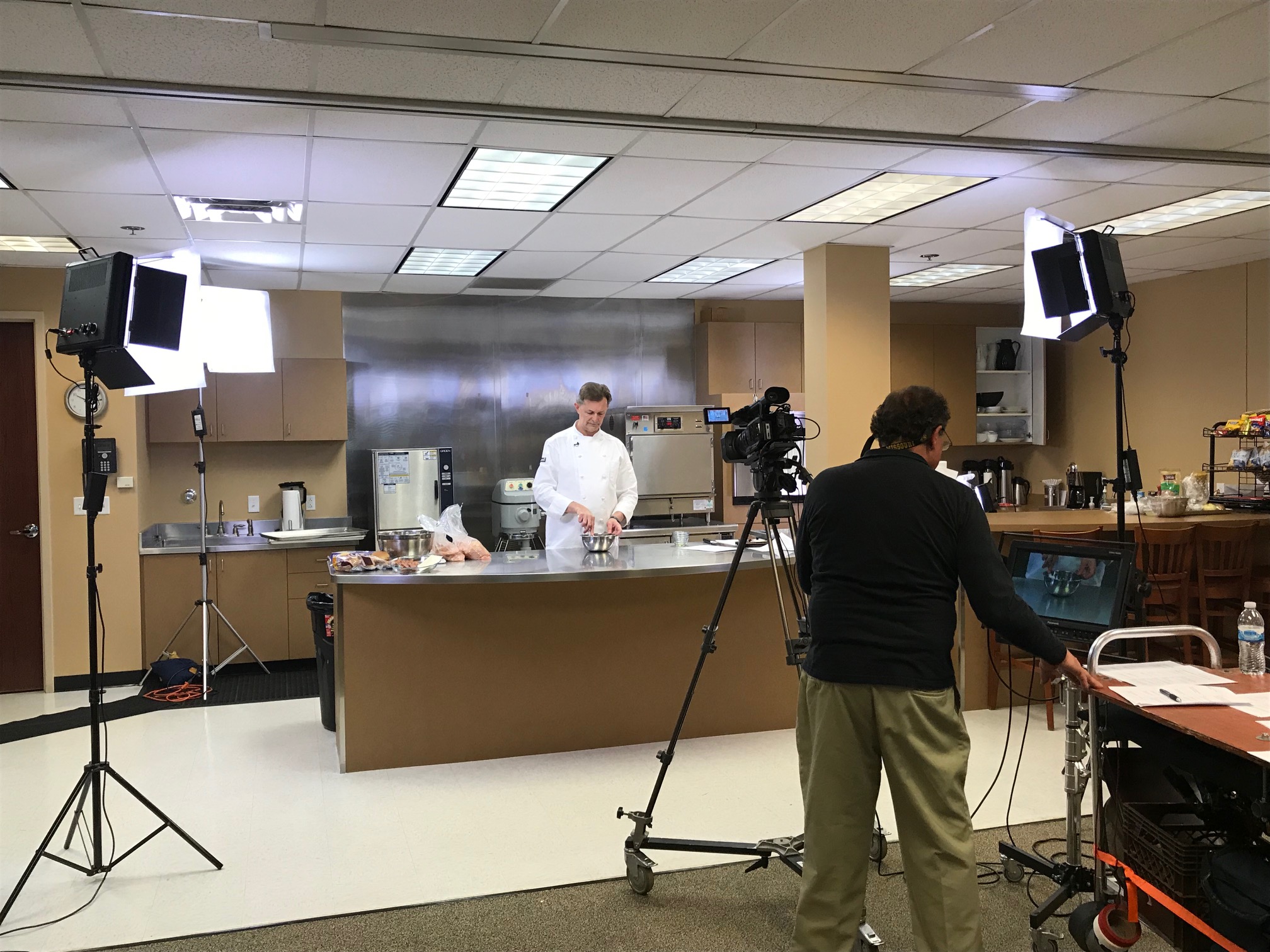
If you’re recording a one-on-one interview or demonstration, you’ll want a soft and flattering lighting setup to highlight the speaker.

1. Camera Equipment: Finding the Right Fit for Your Training Video

The heart of any video production is the camera, but selecting the right one depends on several factors, including the type of content, the environment, and the level of detail you need. Here’s what to consider:

  • Resolution: For most corporate videos, shooting in at least 1080p HD resolution is standard. However, for content that requires a higher level of detail (like product demonstrations or instructional videos), shooting in 4K might be a better choice.
  • Frame Rate: For typical training videos, shooting at 24 or 30 frames per second (fps) provides a natural, cinematic look. If you’re planning to include slow-motion footage (e.g., demonstrating a complex process), you may need cameras that can handle higher frame rates such as 60 fps or more.
  • Lenses: The lens you choose will determine the depth and feel of the video. A standard lens (50mm) is ideal for general shooting, while a wide-angle lens is great for larger group settings or capturing a broader context.

2. Audio: Clear Sound is Essential

While video quality is important, audio is equally, if not more, crucial. Poor sound quality can distract viewers and reduce the professionalism of your training video. Here are key audio tools to consider:

  • Microphones: Lavalier microphones are ideal for capturing clean audio from individual speakers, especially in interviews or tutorials. For more dynamic audio capture, shotgun microphones are perfect for focusing on specific sounds or voices.
  • Audio Recorders: Even with built-in camera microphones, investing in an external audio recorder will improve the overall sound quality, especially in noisy environments or for multi-person interviews.
  • Soundproofing: In some cases, soundproofing your recording environment is a wise choice, especially for small, quiet settings like an office or studio. Minimizing background noise ensures the primary audio is the focus.

3. Lighting: Setting the Mood and Focus

Proper lighting is critical for ensuring your training video looks professional and engaging. Poor lighting can cause shadows, make faces look flat, or make the video look unpolished. Here’s how to set up your lighting for success:

  • Three-Point Lighting: This is the most common lighting setup for video production and includes a key light, fill light, and backlight. The key light provides the main source of light, the fill light softens shadows, and the backlight separates the subject from the background.
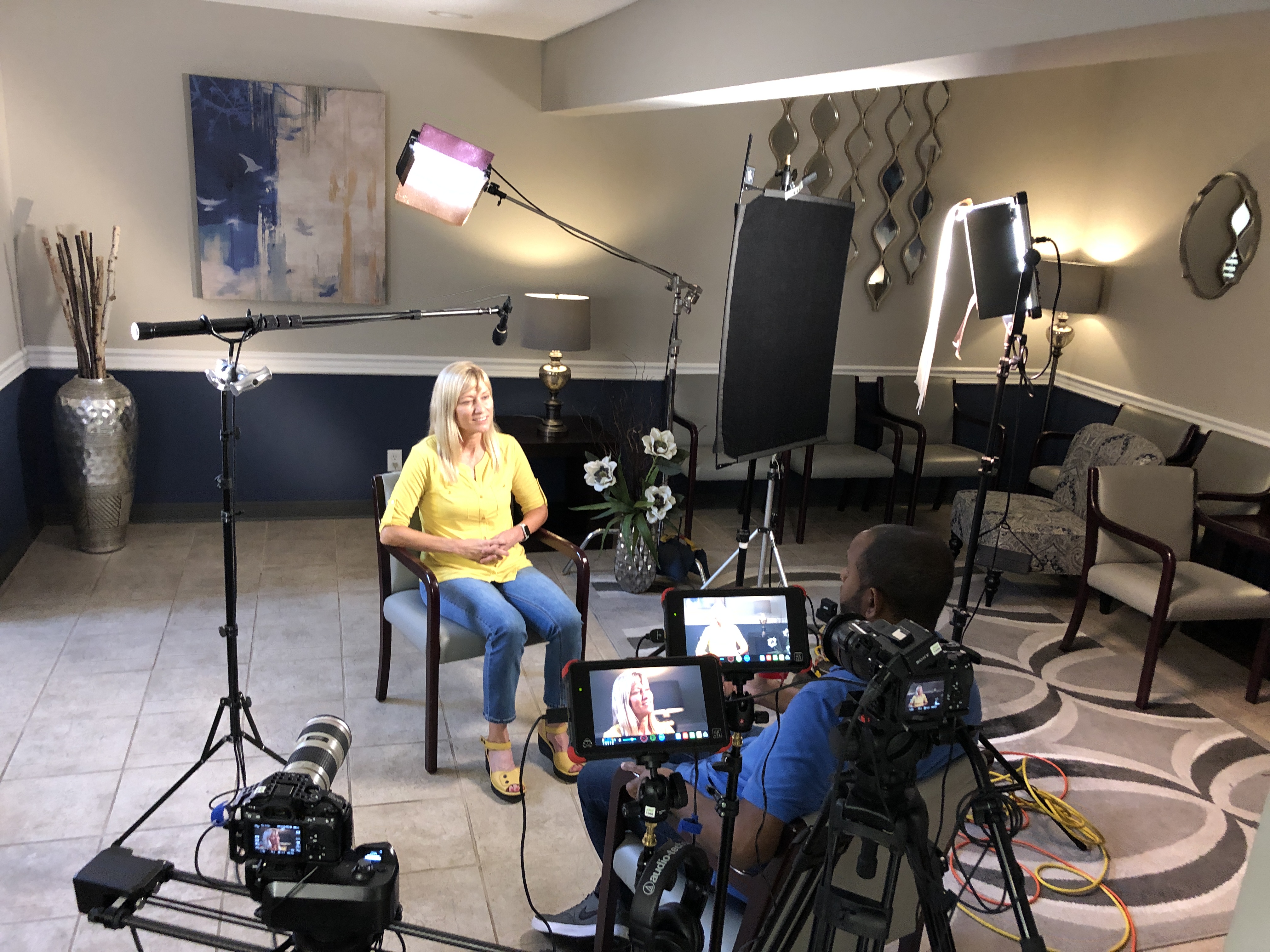
  • Lighting for Interviews: If you’re recording a one-on-one interview or demonstration, you’ll want a soft and flattering lighting setup to highlight the speaker. Softbox lights are a great choice for this.
  • Adjustable Lighting: Invest in lights that can be adjusted in intensity and color temperature. This flexibility helps you create the perfect ambiance for different scenes, whether you’re aiming for a natural or dramatic look.

4. Editing Software: Post-Production Excellence

Once your footage is captured, the right editing software is essential for fine-tuning and assembling your video. Editing lets you polish your content, adjust sound, add graphics, and insert text. Here are some top tools used in professional video production:

  • Adobe Premiere Pro: This industry-standard software provides extensive editing tools, including timeline editing, color correction, and audio syncing.
  • Final Cut Pro: A great option for Mac users, Final Cut Pro offers powerful editing features along with a user-friendly interface.
  • DaVinci Resolve: If you need advanced color grading, DaVinci Resolve offers exceptional tools to enhance your visuals.

Editing also allows you to add closed captions, annotations, and visual aids that can enhance the learning experience for your viewers.

5. Drone Technology: Aerial Shots for Added Impact

Sometimes, training videos benefit from aerial shots to provide unique perspectives or showcase a product or facility. Drones can offer sweeping visuals or highlight large-scale operations in a way that traditional cameras cannot. Consider these factors when choosing drone technology:

  • Flight Capability: Ensure your drone has the stability and range you need for indoor or outdoor use.
  • Camera Quality: Modern drones can shoot in 4K, providing high-resolution footage for crisp and clear visuals.
  • Indoor Flight: Certain drones are specifically designed for indoor flight, which can be helpful if your video includes footage of training scenarios in enclosed spaces like classrooms or factories.

6. Video Collaboration Tools: Working with Teams

If your training video production involves multiple team members—whether from different departments or external agencies—using collaborative tools for real-time feedback and tracking progress is essential. Consider using platforms such as:

  • Frame.io: A cloud-based tool that allows team members to review and leave comments directly on the video timeline.
  • Google Drive or Dropbox: For sharing large video files and assets securely.
  • Trello or Asana: These project management tools help keep everyone on track, ensuring deadlines are met and communication is clear.

7. Studio Setup: Customizing the Environment

Your production environment plays a huge role in the success of your training video. Having a studio set up with the proper equipment, props, and space for interviews or demonstrations is key to creating a professional-looking video.

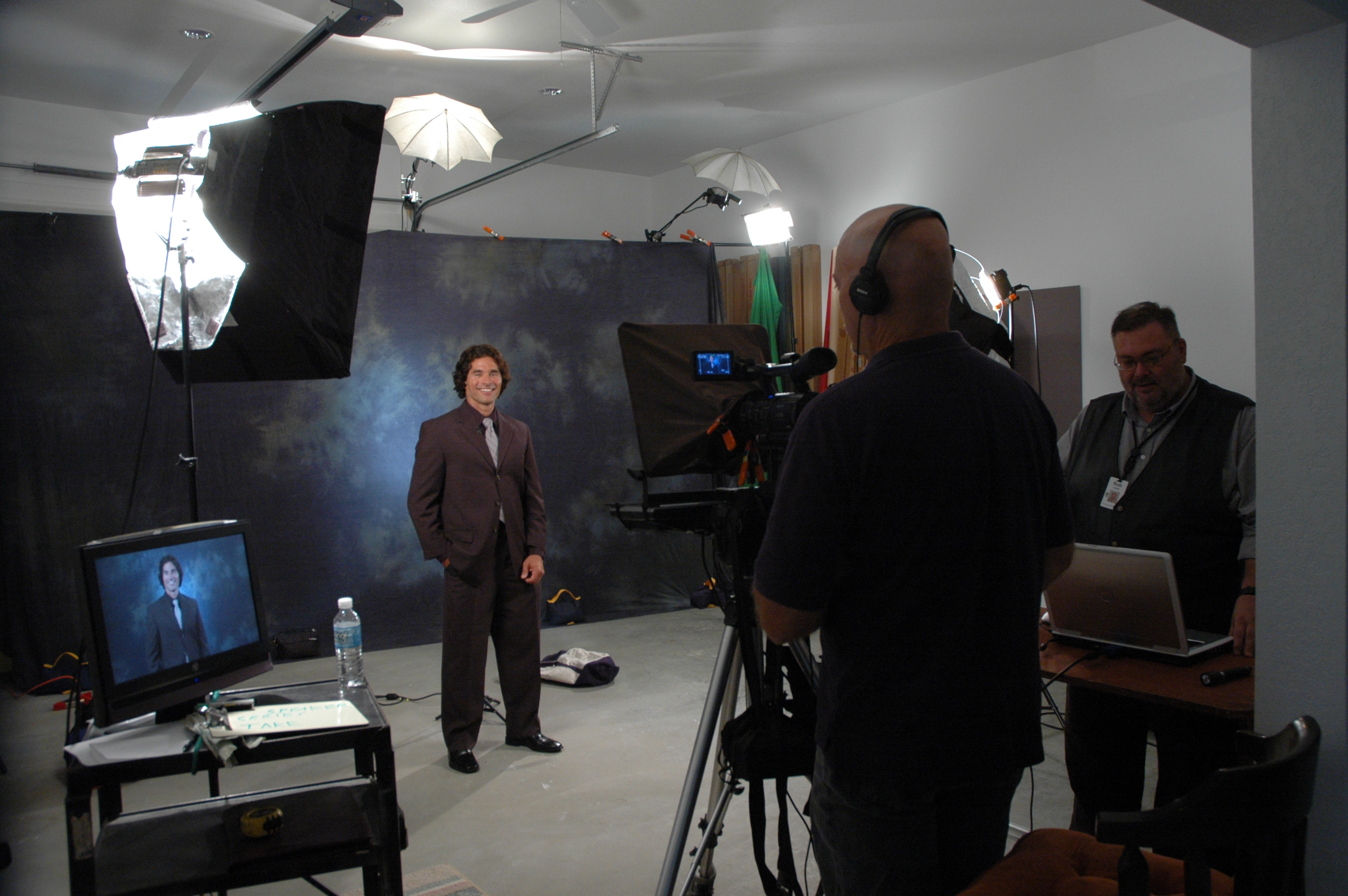
  • Studio Lighting: For small-scale productions, private custom lighting setups are essential for getting the right look. Our studio at St Louis Camera Crew offers an ideal environment for such setups.
  • Props and Backgrounds: If your training video involves product demonstrations or need background variety, having the right props and set pieces will elevate your video’s visual appeal.
  • Camera Operators and Crew: Having a skilled team on set to manage the cameras, lighting, and audio ensures the production goes smoothly. At St Louis Camera Crew, our experienced crew can help with every part of the production.

Why St Louis Camera Crew Is Your Go-To Partner for Video Production

At St Louis Camera Crew, we pride ourselves on offering comprehensive video and photography services for businesses, marketing firms, and agencies. With over 40 years of experience, we have the right equipment and creative expertise to ensure your training video or any corporate production is executed to perfection.

We specialize in both studio and location video and photography, with a focus on custom setups for interviews, sound, and camera operators. Our private studio is designed to accommodate small productions, and our team can assist with everything from creating a custom interview set to flying drones indoors for stunning aerial shots. We also offer editing, post-production services, and can repurpose your photography and video branding to maximize its impact across different platforms.

Since 1982, St Louis Camera Crew has built a reputation for delivering high-quality video and photography services tailored to our clients’ specific needs. Let us help you choose the right tools for your training videos and ensure your production is a resounding success.

314-913-5626

stlouiscameracrew@gmail.com

The Best Types of B-Roll for Different Interview Styles: A Comprehensive Guide for Successful Corporate Video Production

In the world of corporate video production, interviews are often the backbone of storytelling. Whether you’re creating a promotional video, a customer testimonial, or an internal company documentary, the power of a well-executed interview cannot be overstated. However, to ensure that your video engages your audience and looks professional, it’s essential to pair these interviews with high-quality B-roll footage. B-roll enhances your story, keeps the audience visually engaged, and provides context to the words being spoken. But with so many types of B-roll to choose from, how do you know which one best suits your interview style?

If the subject is discussing a significant event or moment in their life, B-roll can provide additional context—such as showing where an event took place, interviews with other people involved, or related locations.

In this blog post, we will explore the best types of B-roll for various interview styles, along with some tips for maximizing the effectiveness of this essential footage.

1. The Traditional One-on-One Interview

For a straightforward one-on-one interview, where the interviewee speaks directly to the camera or to an interviewer just off-camera, the key to effective B-roll is to capture the context of what is being discussed. This allows your audience to connect the visual elements with the narrative, making the message more relatable.

Best Types of B-Roll:

  • Cutaway shots of the environment: Show the setting or location where the interview is happening. If the interview is taking place in an office, capture shots of people working, papers on desks, or close-ups of important documents.
  • Action shots: If the interviewee is discussing a specific product or service, shoot B-roll of the product in use or in action. This reinforces the spoken message visually.
  • Over-the-shoulder shots: Capture the perspective of the interviewer or the subject’s reaction to the conversation. This adds depth and perspective to the interview, offering a different viewpoint.

2. Customer Testimonials

Customer testimonials provide powerful insights into the impact of your products or services. In these interviews, the customer speaks from their own experience, which is relatable for potential buyers.

Best Types of B-Roll:

  • Lifestyle shots: Show the customer using your product or service in a natural, real-world environment. This helps build authenticity and trust with the audience.
  • Before-and-after comparisons: If your product or service brings about a change, whether tangible or intangible, show the difference it made. This could be as simple as a customer using the product before and after.
  • Product-focused B-roll: Capture close-up shots of the product in use, focusing on its features and benefits as the customer describes their experience.

3. Corporate Culture and Employee Interviews

When producing a video that showcases your company’s culture or features employee interviews, it’s important to convey the energy, environment, and values of your organization.

Best Types of B-Roll:

  • Office/Workspace B-roll: Show your team in action—whether they’re collaborating in meetings, brainstorming ideas, or using equipment and technology. These shots help portray your company’s dynamic work culture.
  • Employee interactions: Show employees interacting with each other or engaging in meaningful work. Capturing candid moments helps humanize the company and provides a window into its culture.
  • Branding shots: If the employee is talking about company values, show B-roll that reinforces the company’s mission and visual branding, such as logo shots, company slogans, or even branded merchandise.

4. Documentary-Style Interviews

Documentary-style interviews often dive deep into personal stories, significant events, or complex ideas. These interviews benefit from B-roll that tells a visual story that complements the subject’s words.

Best Types of B-Roll:

  • Archival or historical footage: If discussing a past event or important milestone, historical photos or video clips can help illustrate the story.
  • Emotional and intimate shots: For personal or emotional interviews, capture B-roll that reflects the feelings expressed in the interview. This might include thoughtful close-ups, candid moments, or even environmental shots that evoke a particular mood.
  • Situational B-roll: If the subject is discussing a significant event or moment in their life, B-roll can provide additional context—such as showing where an event took place, interviews with other people involved, or related locations.

5. Panel or Roundtable Discussions

In panel-style interviews, where multiple people discuss a topic, the B-roll needs to capture the diverse range of voices and ideas being shared. It also helps to highlight moments of connection between the speakers or audience reactions.

Best Types of B-Roll:

  • Reaction shots: Capture the reactions of the audience, whether they’re nodding, taking notes, or engaged in the discussion. This gives a sense of the audience’s connection to the conversation.
  • Wide shots of the panel: Capture the entire panel in action. This will set the scene and show the dynamics between the panelists.
  • Close-ups of individual speakers: Get intimate close-ups of the panelists while they speak to emphasize their role in the conversation.

6. Product Demonstrations

When showcasing a product, the primary goal of the B-roll is to highlight its functionality and benefits. Product demos require clean and clear footage that complements the explanation given in the interview.

Best Types of B-Roll:

  • Close-ups of the product in use: Whether it’s a new technology or a physical product, detailed shots of the product in action help provide clarity and focus.
  • Step-by-step demonstrations: If the product requires a sequence of actions to use, show these steps clearly in your B-roll footage.
  • Creative product shots: Show the product from different angles or with special lighting to highlight its design and features.

How St. Louis Camera Crew Can Help You Get the Perfect B-Roll

At St. Louis Camera Crew, we understand the importance of B-roll in enhancing your video production. As a full-service professional commercial photography and video production company, we offer the right equipment and creative expertise to capture the ideal B-roll that complements your interviews and corporate messaging. Whether you need studio or location video and photography, editing, post-production, or licensed drone pilots, our team has the experience to execute your vision.

With our private studio lighting and visual setups, we can customize the perfect environment for small productions and interview scenes. Our studio space is also large enough to incorporate props to round out your set, adding an extra layer of creativity to your shoot. From custom interview studio setups to providing sound and camera operators, we ensure every part of your production is executed flawlessly.

We are well-versed in all types of media files, styles, and accompanying software, and we specialize in repurposing your video and photo content to gain more traction across multiple platforms. Our expertise in flying specialized drones indoors allows us to capture unique aerial shots that add depth and interest to your B-roll.

Since 1982, St. Louis Camera Crew has been serving businesses, marketing firms, and agencies across the St. Louis area. Let us help you take your video production to the next level with professional B-roll that brings your interview to life. Contact us today to discuss your upcoming project.

314-913-5626

stlouiscameracrew@gmail.com

The Art of Storytelling: Narrative Videography Styles

In the ever-evolving world of visual media, storytelling through videography has emerged as a powerful and influential medium. As experienced video producers at St. Louis Camera Crew, we understand the significance of narrative videography styles in capturing the essence of a story, whether it’s for commercials, documentaries, corporate videos, or any other form of visual content. In this comprehensive article, we’ll delve into the various narrative videography styles that can elevate your productions and leave a lasting impact on your audience.

Corporate storytelling style integrates elements of storytelling to convey a company’s mission, values, and successes.

Understanding Narrative Videography

At its core, narrative videography is about telling a compelling story through the lens of a camera. It’s a fusion of art and technology, where creativity meets technical expertise. The goal is to engage viewers emotionally, transport them into the world you create, and make them feel connected to the content. Achieving this requires a deep understanding of narrative videography styles, each with its unique characteristics and applications.

1. Classic Narrative Style

The classic narrative style is the foundation of storytelling in videography. It follows a linear structure with a clear beginning, middle, and end. This style is commonly used in feature films, short films, and even commercials where a straightforward storyline is essential. Key elements include character development, conflict resolution, and a well-defined plot.

2. Documentary Style

Documentary-style videography aims to capture real-life events, people, and stories in a raw and unscripted manner. It often involves interviews, on-location shooting, and candid moments. This style is ideal for conveying authenticity and providing viewers with a glimpse into the real world. It’s frequently employed in documentaries, news reports, and reality TV.

3. Experimental or Avant-Garde Style

For those looking to push the boundaries of storytelling, the experimental or avant-garde style offers a playground of creative possibilities. This style focuses on visual aesthetics, symbolism, and abstract concepts. It challenges traditional narrative structures and aims to provoke thought and emotion through unconventional means.

4. Narrative Commercial Style

In the world of advertising, narrative commercial style is the go-to choice for creating memorable brand stories. These videos often feature relatable characters, relatable situations, and a clear message. The challenge is to convey a brand’s values and products/services within a limited timeframe while engaging the audience effectively.

5. Corporate Storytelling Style

Corporate videos have evolved beyond the conventional, dry presentations. Corporate storytelling style integrates elements of storytelling to convey a company’s mission, values, and successes. It helps build a stronger connection with the audience, making them more receptive to the company’s message.

6. Music Video Style

Music videos are a unique form of narrative videography. They blend music and visuals to create a captivating experience. Music video style can vary widely, from narrative-driven storytelling to abstract, artistic interpretations of songs. It’s all about enhancing the music’s impact through visuals.

7. Short Film Style

Short films are a testament to the power of concise storytelling. They often focus on a single idea, theme, or character, making every frame and moment count. Short film style allows for experimentation and creativity within a limited duration, making it a fantastic training ground for filmmakers.

8. Animation and Motion Graphics Style

Animation and motion graphics are not limited by the constraints of the physical world. This style allows for the creation of fantastical narratives, visual metaphors, and complex storytelling in a visually engaging manner. It’s widely used in explainer videos, educational content, and advertisements.

The Role of Equipment and Crew

Achieving excellence in narrative videography styles requires not only creative vision but also the right equipment and a skilled crew. At St. Louis Camera Crew, we take pride in being a full-service professional commercial video studio equipped with state-of-the-art gear and a talented team of videographers, directors, and editors.

High-Quality Equipment

Our arsenal includes the latest cameras, lenses, lighting equipment, and sound recording gear. We understand that the choice of equipment plays a pivotal role in capturing the visual essence of your narrative. From cinematic 4K cameras for stunning visuals to top-tier audio equipment for crystal-clear sound, we ensure that every aspect of your production is of the highest quality.

Experienced Crew

Our team consists of experienced professionals who are passionate about their craft. Whether you need expert cinematographers, skilled directors, proficient scriptwriters, or meticulous editors, our crew members have the expertise to bring your vision to life. Their creative insights and technical proficiency ensure that your narrative videography project is executed flawlessly.

Comprehensive Services

St. Louis Camera Crew is not just a video production company; we offer a comprehensive range of services to cater to diverse media requirements. Our services include:

  • Studio and Location Video and Photography: Whether you prefer the controlled environment of a studio or the authenticity of on-location shooting, we have the capabilities to meet your needs.
  • Editing and Post-Production: The magic of storytelling often happens in the editing room. Our skilled editors use cutting-edge software to craft your narrative, add visual effects, and enhance the overall quality of your production.
  • Customized Productions: We understand that every project is unique. That’s why we work closely with our clients to tailor our services to their specific goals, ensuring that the final product aligns perfectly with their vision.
  • Media Repurposing: In today’s fast-paced digital landscape, repurposing your content for various platforms is crucial. Our expertise extends to repackaging and optimizing your videography and photography content for maximum reach and impact.

Technical Proficiency

St. Louis Camera Crew is well-versed in all file types and styles of media, along with the accompanying software. Whether you require high-definition video, 3D animation, or interactive multimedia, we have the technical know-how to deliver outstanding results. Our proficiency extends to industry-standard software suites, including Adobe Creative Cloud, Final Cut Pro, and DaVinci Resolve, ensuring that your project is in capable hands from start to finish.

Conclusion

In the world of narrative videography, the ability to tell a compelling story is a skill that can make all the difference. At St. Louis Camera Crew, we pride ourselves on our experience and expertise in creating captivating narratives through videography. With top-of-the-line equipment, a skilled and passionate crew, and a comprehensive range of services, we are committed to delivering exceptional results for our clients.

As a full-service video and photography production company, St. Louis Camera Crew has worked with many businesses and agencies in the St. Louis area for their corporate photography and video. Whether you’re looking to create a narrative-driven commercial, a documentary-style corporate video, or anything in between, we have the right equipment and creative crew service experience to bring your vision to life. Contact us today to discuss your videography and photography needs and let us help you tell your story like never before.

314-913-5626

stlouiscameracrew@gmail.com

Behind the Lens: The Art of Run and Gun Videography

In the world of video production, there are various styles and techniques that can be employed to create impactful and engaging content. One such style that has gained popularity in recent years is “Run and Gun” videography. As experienced video producers at St. Louis Camera Crew, we understand the nuances and challenges of this approach, and in this comprehensive guide, we’ll delve deep into the art of Run and Gun videography.

Create short, engaging clips from your footage to share on social media platforms.

What is Run and Gun Videography?

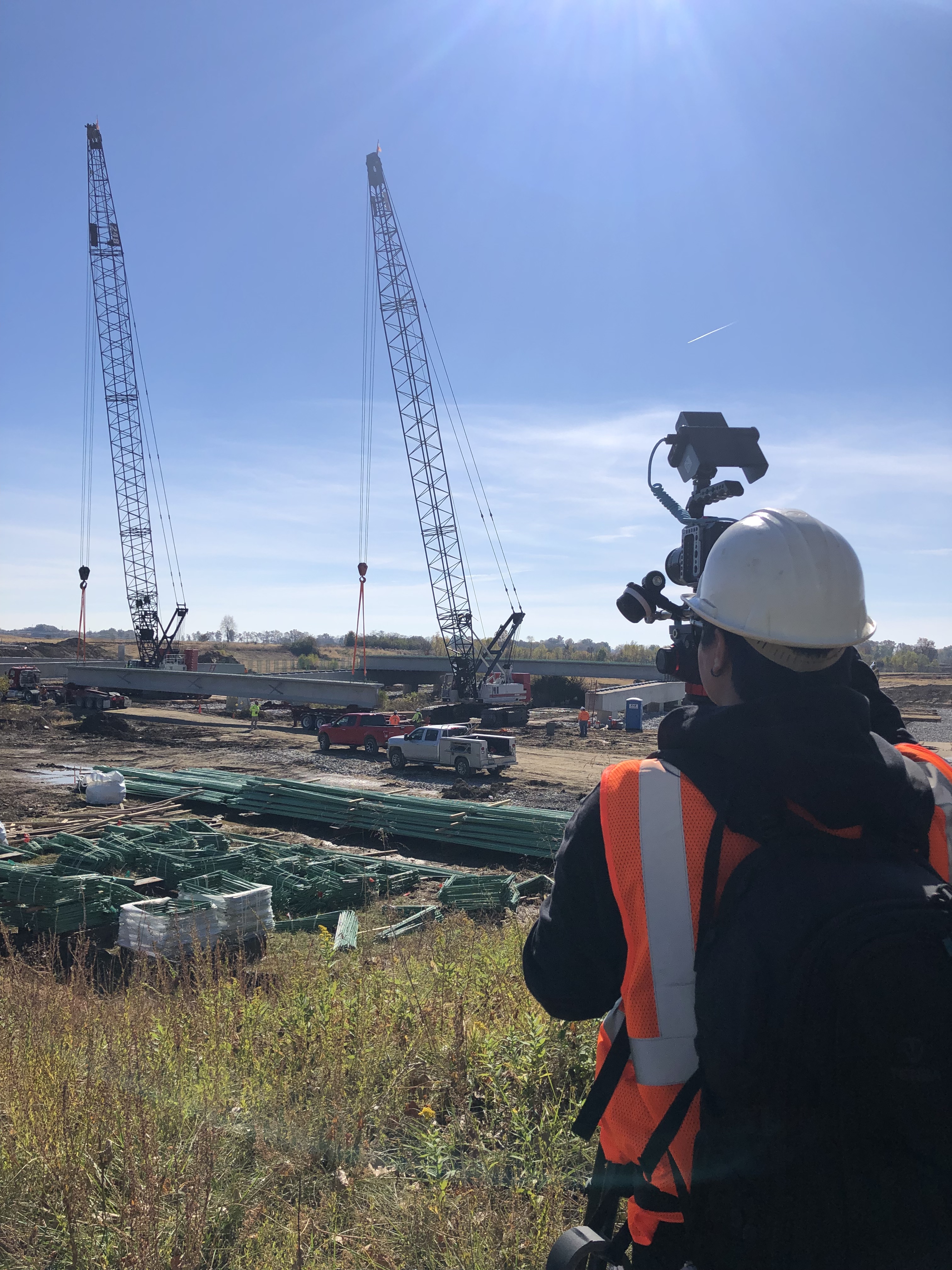
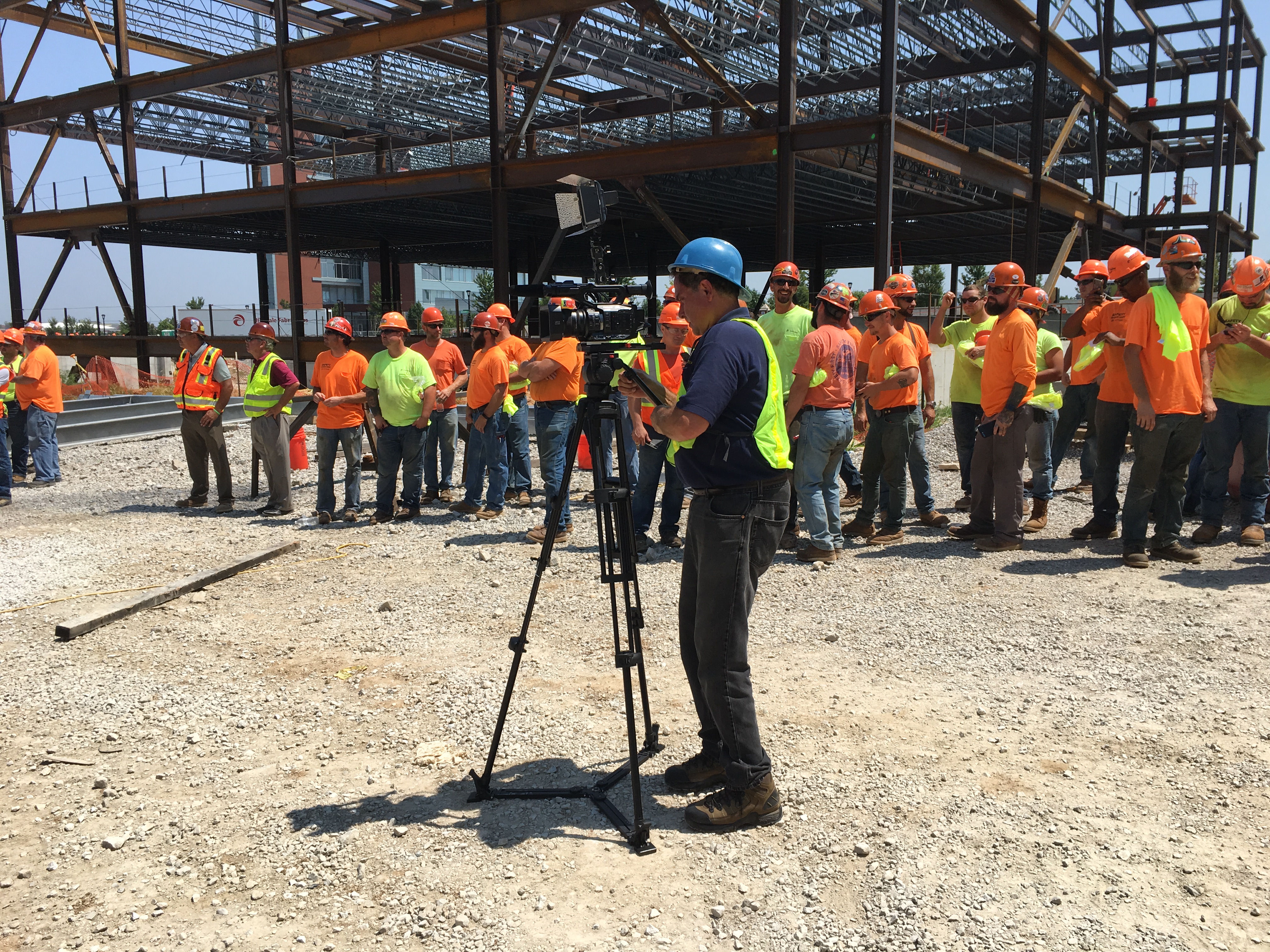
Run and Gun videography is a style of video production that prioritizes flexibility, speed, and spontaneity. It’s a versatile approach that is often used in documentary filmmaking, news reporting, event coverage, and even certain types of commercials. The key to Run and Gun videography is being able to adapt quickly to changing circumstances while capturing compelling and visually appealing footage.

The Advantages of Run and Gun Videography

  1. Flexibility: Run and Gun videography allows for quick adjustments to changing situations. Whether you’re covering a live event or capturing candid moments, this style gives you the freedom to adapt on the fly.
  2. Authenticity: Run and Gun videography often results in more authentic and unscripted footage. It can capture genuine reactions, emotions, and moments that might be missed in more structured shoots.
  3. Cost-Effective: This approach can be more budget-friendly compared to large-scale productions. It requires less equipment and crew, making it accessible to a wider range of clients.
  4. Efficiency: Run and Gun videography is known for its efficiency. With a small crew, you can cover a lot of ground in a short amount of time, which can be particularly valuable for time-sensitive projects.
  5. Adaptability: This style is perfect for situations where you don’t have complete control over the environment, such as at events or in crowded public spaces. It allows you to work with what’s available.

The Challenges of Run and Gun Videography

While Run and Gun videography offers many advantages, it also comes with its fair share of challenges:

  1. Limited Control: With less time for pre-planning and setup, you have limited control over lighting, audio, and composition. This can sometimes result in less polished footage.
  2. Equipment Choice: Selecting the right equipment is crucial. You need gear that is portable, versatile, and can handle a range of shooting conditions.
  3. Stabilization: Maintaining stable footage can be challenging, especially when shooting on the move. Using stabilizers, gimbals, or even handheld techniques is essential.
  4. Audio Quality: Capturing high-quality audio can be tricky in run and gun situations. External microphones and wireless audio setups are often necessary.
  5. Storytelling: Crafting a coherent narrative can be challenging when working in a fast-paced, unscripted environment. It requires a keen eye for storytelling and adaptability.

The Run and Gun Videography Process

Now that we’ve explored the concept and pros and cons of Run and Gun videography, let’s dive into the step-by-step process of creating compelling content using this approach:

1. Pre-Production Planning

While Run and Gun videography is known for its spontaneity, some level of pre-production planning is still essential. Here’s what you should consider:

  • Storyboard: Create a loose storyboard or shot list. This will serve as a guideline but should remain flexible.
  • Equipment Selection: Choose lightweight, portable gear that can handle various shooting conditions. This includes cameras, lenses, stabilizers, and audio equipment.
  • Location Scouting: If possible, scout the locations in advance to get an idea of lighting and audio challenges.
  • Permits and Releases: Ensure you have the necessary permits for shooting in public spaces and obtain release forms from any individuals who will appear in your video.

2. Shooting Techniques

Successful Run and Gun videography relies on a set of specific shooting techniques:

  • Handheld Shooting: Embrace handheld shooting techniques to maintain mobility and capture dynamic footage. Practice steadying your shots to avoid excessive shakiness.
  • Natural Lighting: Make the most of available natural light. Avoid elaborate lighting setups and rely on your camera’s low-light capabilities when necessary.
  • Audio Capture: Invest in external microphones or wireless audio systems to capture clear and high-quality audio. Pay attention to ambient noise and wind interference.
  • Quick Setup: Be prepared to set up and break down your equipment quickly. Time is often limited, and you don’t want to miss crucial moments.

3. Adaptability and Creativity

In the field, adaptability and creativity are your greatest assets. Here are some tips for staying agile:

  • Follow the Action: Be ready to pivot and follow the action as it unfolds. Don’t be afraid to change your planned shots if something more interesting is happening.
  • Engage with Subjects: Interact with the people you’re filming. Building a rapport can lead to more genuine and relaxed moments on camera.
  • Use Natural Framing: Look for natural frames within your environment, such as doorways or windows, to create visually appealing shots.
  • Experiment with Angles: Try shooting from different angles and perspectives to add variety to your footage.

4. Post-Production and Editing

Once you’ve captured your footage, the post-production process becomes critical:

  • Organization: Carefully label and organize your clips to streamline the editing process.
  • Storytelling: Craft a narrative from the footage you’ve gathered. Use interviews, voiceovers, and on-screen text to tie everything together.
  • Color Correction: Correct any color imbalances and ensure consistency in your footage.
  • Audio Enhancement: Improve audio quality during the editing process by removing noise, adjusting levels, and adding music or sound effects where necessary.
  • Transitions: Use smooth transitions to connect scenes and maintain the flow of your video.
  • Review and Feedback: Seek feedback from colleagues or clients to refine your edit.

5. Repurposing Your Run and Gun Content

One of the strengths of Run and Gun videography is its adaptability even after shooting. Here are some ways to repurpose your content:

  • Social Media Clips: Create short, engaging clips from your footage to share on social media platforms.
  • Behind-the-Scenes Content: Use behind-the-scenes footage to give your audience a glimpse into the creative process.
  • Documentary Series: If you’ve captured a significant amount of footage, consider turning it into a multi-part documentary series.
  • Promotional Videos: Use snippets from your shoot to create promotional videos for your clients or organization.
  • B-Roll Library: Build a library of B-roll footage that can be used in future projects.

St. Louis Camera Crew: Your Run and Gun Videography Experts

At St. Louis Camera Crew, we understand the ins and outs of Run and Gun videography. With the right equipment and a creative crew experienced in this style, we have successfully produced impactful content for numerous clients in the St. Louis area.

Our Services

As a full-service video production company, we offer a wide range of services to meet diverse creative needs:

  • Studio and Location Video: Whether you need to shoot in our studio or on location, we have the expertise to create compelling video content.
  • Post-Production Editing: Our post-production team is skilled at turning raw footage into polished and engaging videos.
  • Still Photography: In addition to videography, we offer still photography services to capture stunning images for your projects.

Specialties

Our experienced videographers, directors, and producers are adept at various aspects of video production:

  • Talking Heads: We excel at shooting talking head segments, ensuring that your message comes across professionally and effectively.
  • Interviews and Testimonials: Capture authentic and compelling interviews and testimonials that resonate with your audience.
  • B-Roll: We understand the importance of B-roll in enhancing your video’s storytelling and visual appeal.
  • Teleprompters: For a more professional and efficient message delivery, we offer teleprompters to help speakers stay on track.

Call to Action

As a full-service video creation company, St. Louis Camera Crew has collaborated with numerous businesses and organizations in the St. Louis area to bring their creative visions to life. Our experienced team of videographers, directors, and producers is ready to tailor our services to meet your unique video and photography needs.

Whether you’re embarking on a Run and Gun videography project or require assistance with a different style of production, we have the expertise and equipment to deliver exceptional results. Contact us today to discuss your next project and discover how St. Louis Camera Crew can elevate your video and photography productions to the next level. Don’t miss the opportunity to create impactful and engaging content with our dedicated team by your side.

314-913-5626

stlouiscameracrew@gmail.com