Authenticity on Demand: Simple Pro Tricks to Read Your Script Seamlessly on Video

As decision-makers responsible for your organization’s image and messaging, you understand that effective visual media is non-negotiable in today’s market. Whether it’s a corporate announcement, a testimonial, or a message from the CEO, the goal is always the same: authenticity.

Yet, one of the most common pitfalls we see—even with the most articulate executives—is the struggle to read a script or teleprompter without appearing wooden, stiff, or disconnected. The difference between reading and communicating can make or break your video’s impact.

As experienced professionals in commercial video production, we’ve developed a handful of simple, repeatable techniques that transform a script-reader into a captivating on-camera communicator.

Here are the essential tricks we use in our St Louis Camera Crew productions to ensure your message lands smoothly and sincerely.


The Teleprompter Trap: Reading vs. Relating

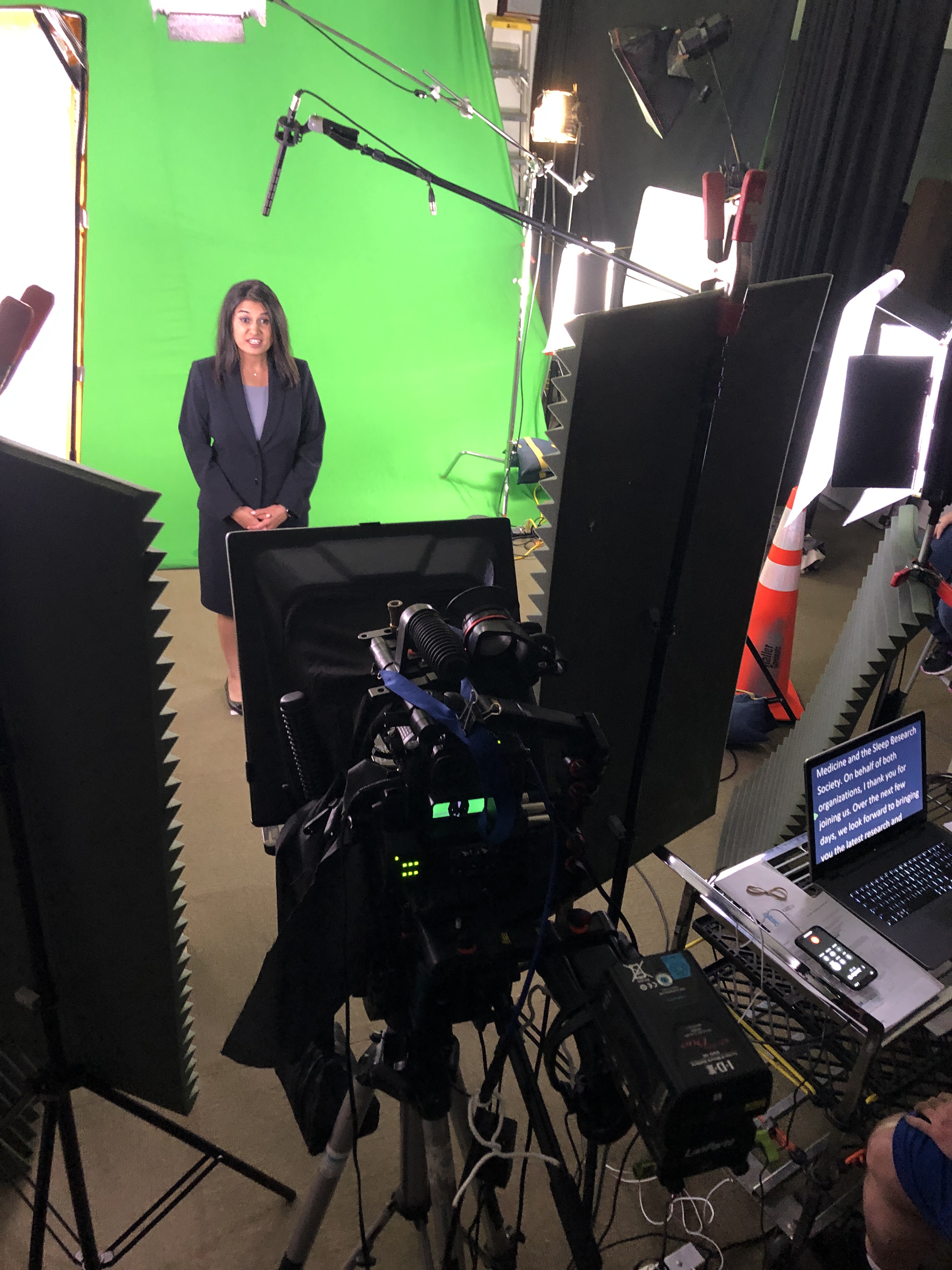
Many people assume the teleprompter is a magical screen that allows them to read verbatim. While true, a teleprompter only displays text; it cannot generate emotion, inflection, or connection. The “stiffness” you see is often a result of someone focusing too intently on decoding the words rather than delivering the message.

The solution is to treat the script not as a text to be read, but as a conversation to be led.

1. Preparation is Performance: Know Your Message

The secret to sounding natural is to internalize the script, not memorize it. Before you step on set:

  • Paraphrase Each Section: Read a paragraph, then look away and try to say the main idea in your own words. This process makes the language your own.
  • Identify Keywords: Highlight the core words in each sentence. When reading on camera, prioritize hitting those words with inflection and allow the less important words to flow quickly. This creates a natural vocal rhythm, mimicking how people speak off-the-cuff.
  • Practice with Energy: Read the script aloud while standing, using your hands and natural body language. This muscle memory will translate to the actual shoot, preventing a monotone delivery.

2. The Power of “Chunking” and Breathing

A written script often lacks the natural pauses, breaths, and pace changes inherent in speech.

  • Use Visual Cues: Don’t just rely on commas and periods. Have your producer or teleprompter operator mark the script with natural pauses using slashes (/) or ellipses (…). These marks indicate where you should take a slight, natural breath—a “camera breath”—to vary your pace and give the viewer’s brain time to process the information.
  • Vary the Pace: When you sound too smooth and steady, you sound like a robot. Speed up on transitional or connecting phrases and slow down significantly on key points or calls-to-action.

3. Mastering the Eye Movement Illusion

The most obvious sign of reading is rapid, horizontal eye movement. The goal is to make the audience believe you are looking directly into their eyes.

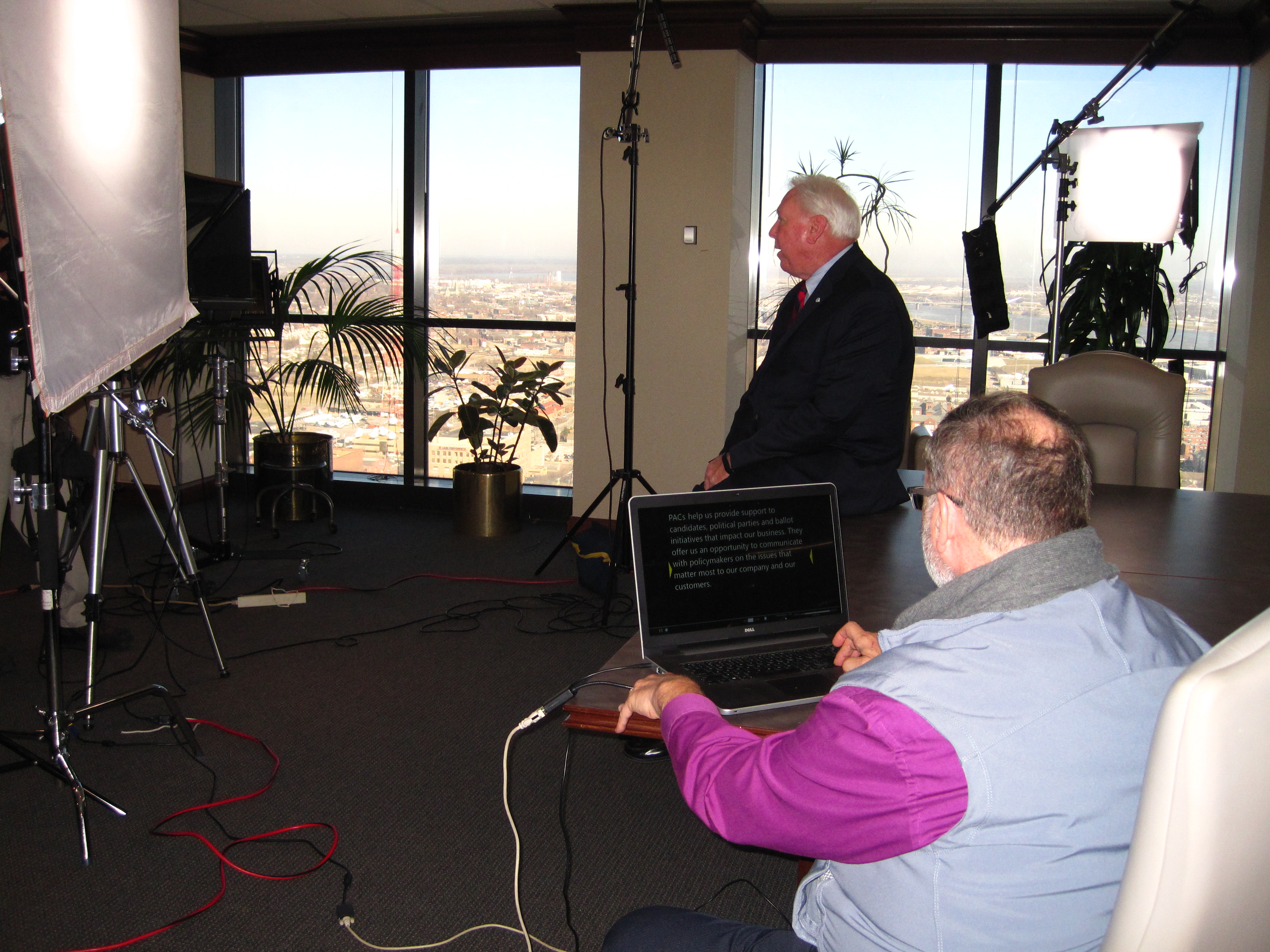
  • Keep Text Narrow: We always recommend adjusting the teleprompter settings so the text is displayed in a narrow column, ideally no wider than the width of your head. This minimizes the distance your eyes have to travel from left to right, making the movement virtually undetectable to the camera.
  • Don’t Chase the Scroll: Focus on reading a few words ahead of where the scroll currently is, rather than chasing the word immediately in front of you. This gives you time to focus on inflection and prevents you from rushing.
  • Distance Matters: The further away the teleprompter is, the smaller the eye movement appears. Our professional setups ensure optimal distance and screen size for minimal distraction.

4. Engage Your Body and Voice

Stiffness is a full-body phenomenon. If your posture is rigid, your voice will follow suit.

  • Stand Tall and Loose: Stand with your feet hip-width apart and your knees slightly bent. This grounds you and allows you to move your hands and torso naturally.
  • Gesture (Within Reason): Use hand gestures to emphasize a point, just as you would in a real conversation. These small, authentic movements break up visual stiffness and make you more engaging.
  • Project and Smile: Think about projecting your voice slightly louder and infusing it with energy. A subtle, genuine smile, even during serious points, relaxes the muscles around your eyes and mouth, making you look more personable and approachable.

Achieving Authentic Imagery Starts with the Right Crew

Executing these techniques requires more than just a camera; it requires a deep understanding of visual physics, lighting, psychology, and production flow.

Since 1982, St Louis Camera Crew has built a reputation as a full-service professional commercial photography and video production company dedicated to successful image acquisition. We are the trusted partner for many St. Louis businesses, marketing firms, and creative agencies for their branding needs.

We are not just a crew; we are a creative partner.

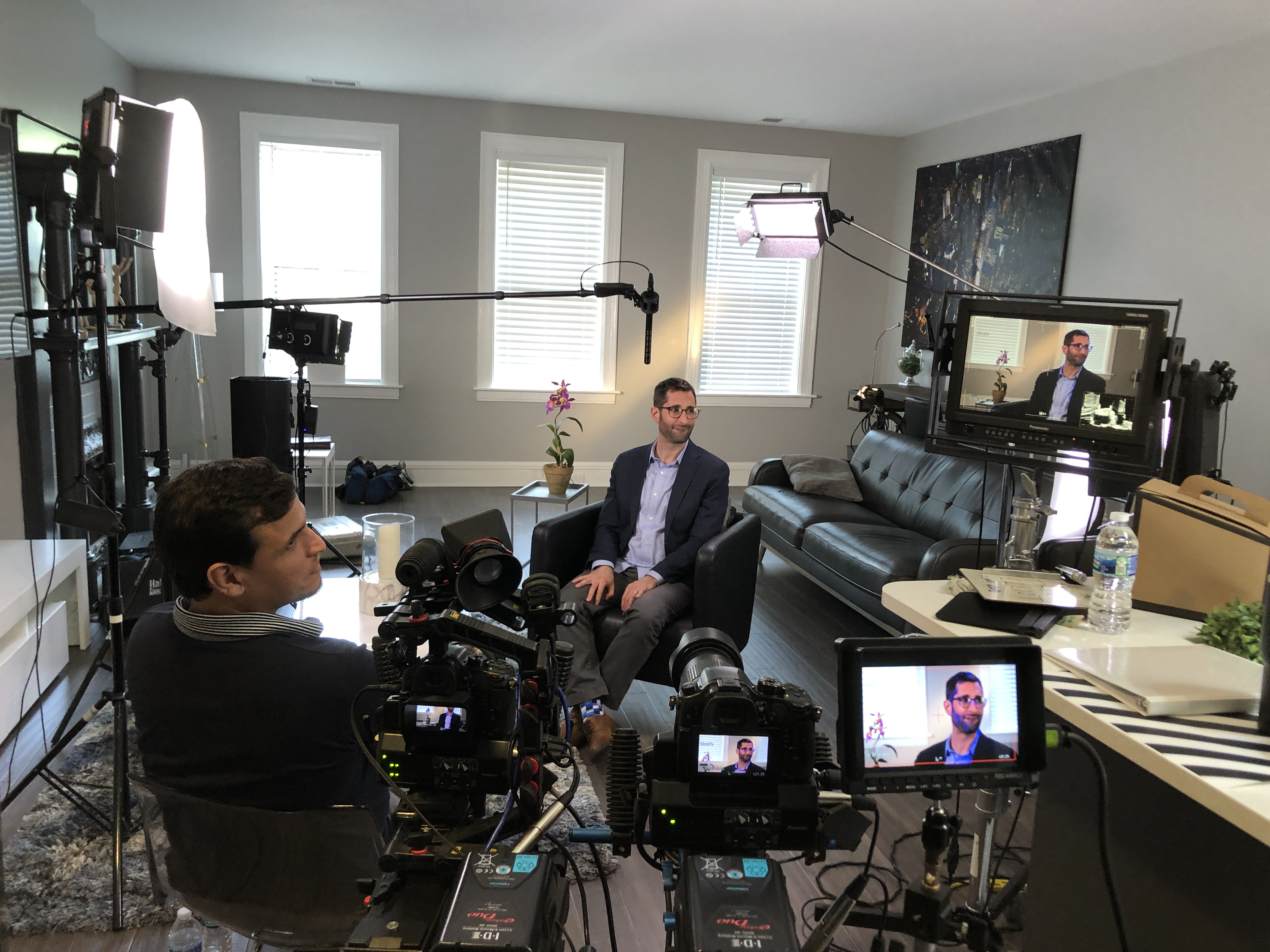
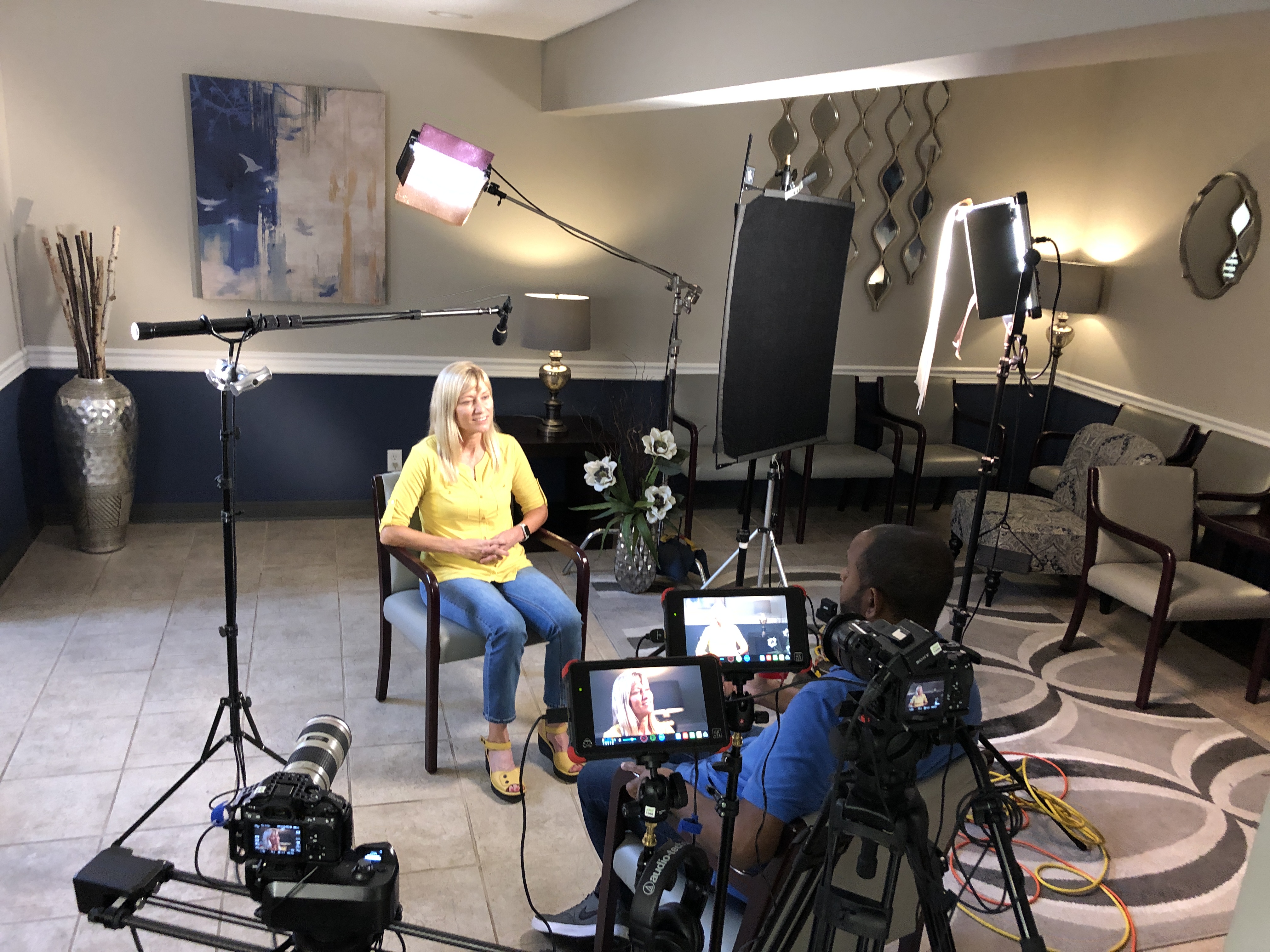
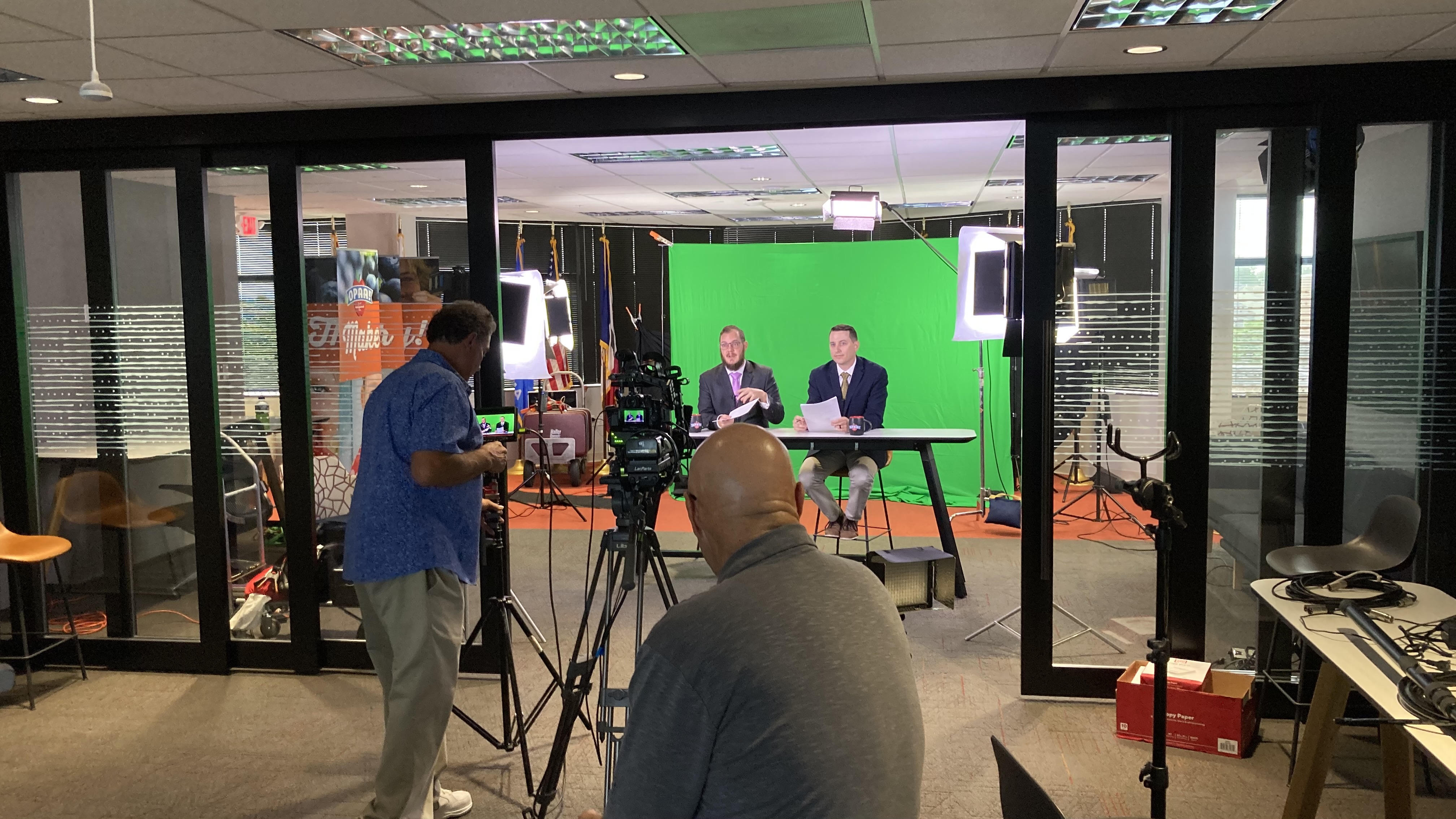
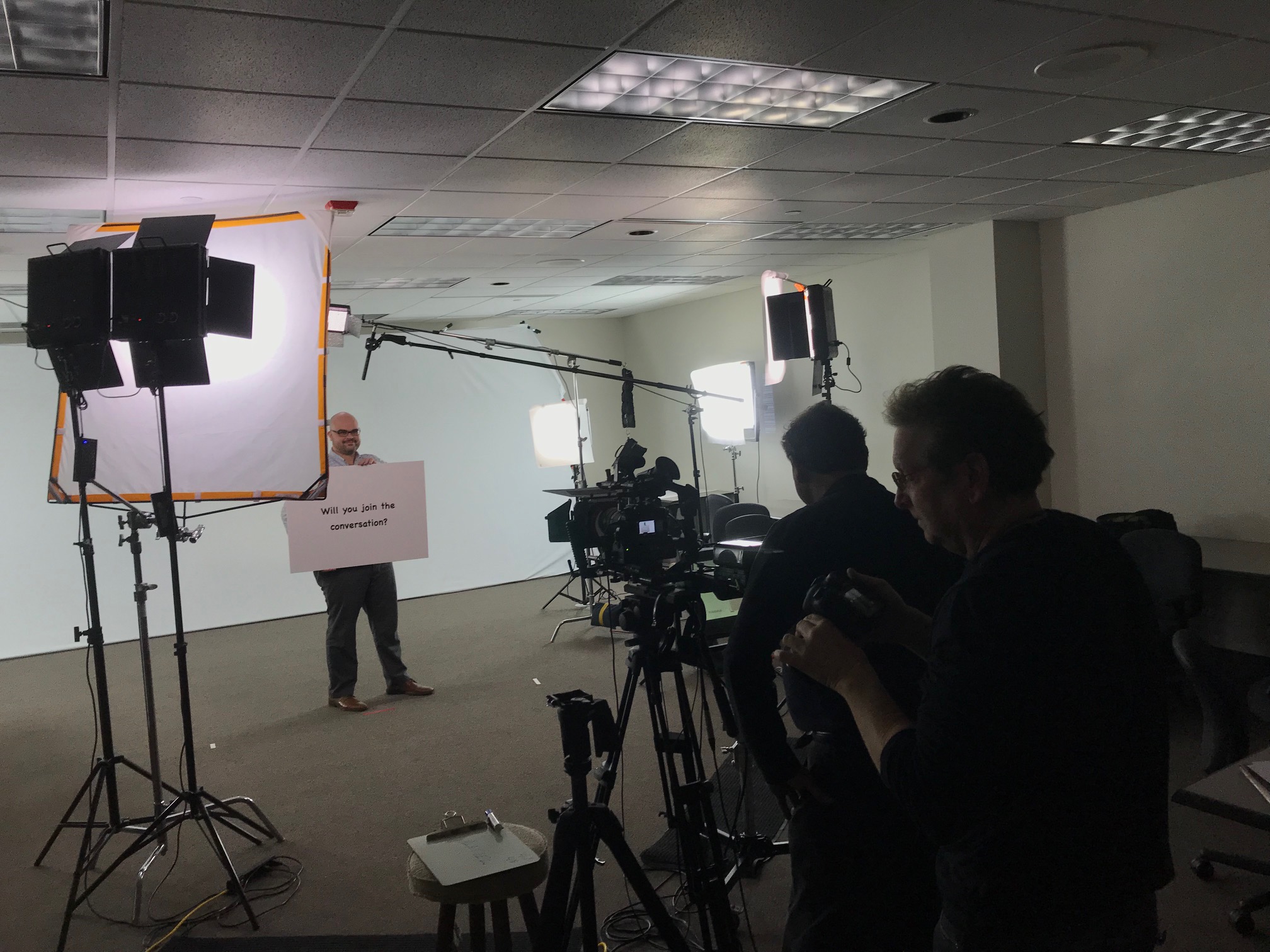
  • Seamless Production: We support every aspect of your production—from setting up a private, custom interview studio to supplying professional sound and camera operators, as well as providing the right equipment—ensuring your next video production is seamless and successful. Our private studio lighting and visual setup is perfect for small productions and interview scenes, and is large enough to incorporate props to round out your set.
  • Comprehensive Services: We offer full-service studio and location video and photography, as well as editing, post-production, and media management. We are well-versed in all file types and styles of media and accompanying software, and can customize your productions for diverse types of media requirements.
  • Cutting-Edge Technology: We utilize the latest in Artificial Intelligence for all our media services, optimizing your content for maximum impact. Furthermore, our licensed drone pilots provide breathtaking aerials, and we even have specialized drones we can fly indoors for unique perspectives.
  • Maximizing ROI: Repurposing your photography and video branding to gain more traction is another specialty. We ensure your assets are optimized for social media, broadcast, web, and print, maximizing your return on investment.

When you hire St Louis Camera Crew, you are partnering with an experienced, professional team that possesses the expertise, creative crew service experience, and technology necessary to transform your script into a powerful, authentic conversation.

Contact us today to discuss how our creative crew can elevate your next video and photography project.

314-913-5626

stlouiscameracrew@gmail.com

Behind the Lens: The Art of Run and Gun Videography

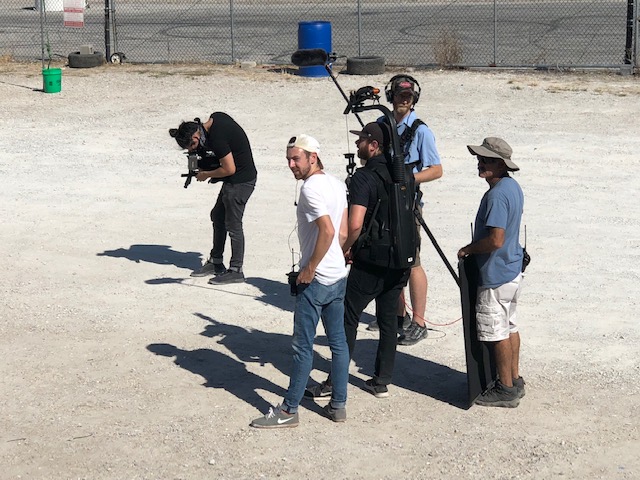
In the world of video production, there are various styles and techniques that can be employed to create impactful and engaging content. One such style that has gained popularity in recent years is “Run and Gun” videography. As experienced video producers at St. Louis Camera Crew, we understand the nuances and challenges of this approach, and in this comprehensive guide, we’ll delve deep into the art of Run and Gun videography.

Create short, engaging clips from your footage to share on social media platforms.

What is Run and Gun Videography?

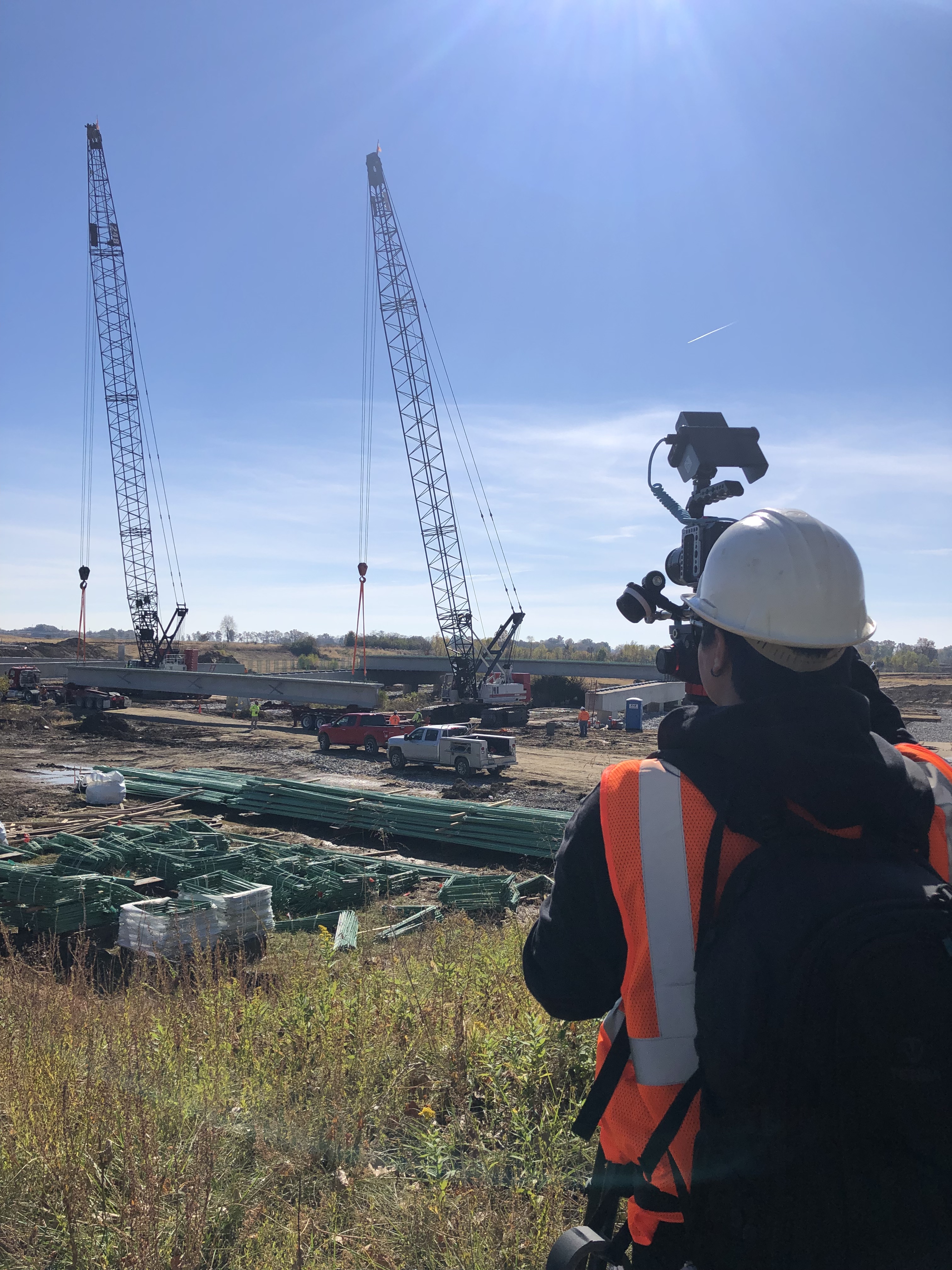
Run and Gun videography is a style of video production that prioritizes flexibility, speed, and spontaneity. It’s a versatile approach that is often used in documentary filmmaking, news reporting, event coverage, and even certain types of commercials. The key to Run and Gun videography is being able to adapt quickly to changing circumstances while capturing compelling and visually appealing footage.

The Advantages of Run and Gun Videography

  1. Flexibility: Run and Gun videography allows for quick adjustments to changing situations. Whether you’re covering a live event or capturing candid moments, this style gives you the freedom to adapt on the fly.
  2. Authenticity: Run and Gun videography often results in more authentic and unscripted footage. It can capture genuine reactions, emotions, and moments that might be missed in more structured shoots.
  3. Cost-Effective: This approach can be more budget-friendly compared to large-scale productions. It requires less equipment and crew, making it accessible to a wider range of clients.
  4. Efficiency: Run and Gun videography is known for its efficiency. With a small crew, you can cover a lot of ground in a short amount of time, which can be particularly valuable for time-sensitive projects.
  5. Adaptability: This style is perfect for situations where you don’t have complete control over the environment, such as at events or in crowded public spaces. It allows you to work with what’s available.

The Challenges of Run and Gun Videography

While Run and Gun videography offers many advantages, it also comes with its fair share of challenges:

  1. Limited Control: With less time for pre-planning and setup, you have limited control over lighting, audio, and composition. This can sometimes result in less polished footage.
  2. Equipment Choice: Selecting the right equipment is crucial. You need gear that is portable, versatile, and can handle a range of shooting conditions.
  3. Stabilization: Maintaining stable footage can be challenging, especially when shooting on the move. Using stabilizers, gimbals, or even handheld techniques is essential.
  4. Audio Quality: Capturing high-quality audio can be tricky in run and gun situations. External microphones and wireless audio setups are often necessary.
  5. Storytelling: Crafting a coherent narrative can be challenging when working in a fast-paced, unscripted environment. It requires a keen eye for storytelling and adaptability.

The Run and Gun Videography Process

Now that we’ve explored the concept and pros and cons of Run and Gun videography, let’s dive into the step-by-step process of creating compelling content using this approach:

1. Pre-Production Planning

While Run and Gun videography is known for its spontaneity, some level of pre-production planning is still essential. Here’s what you should consider:

  • Storyboard: Create a loose storyboard or shot list. This will serve as a guideline but should remain flexible.
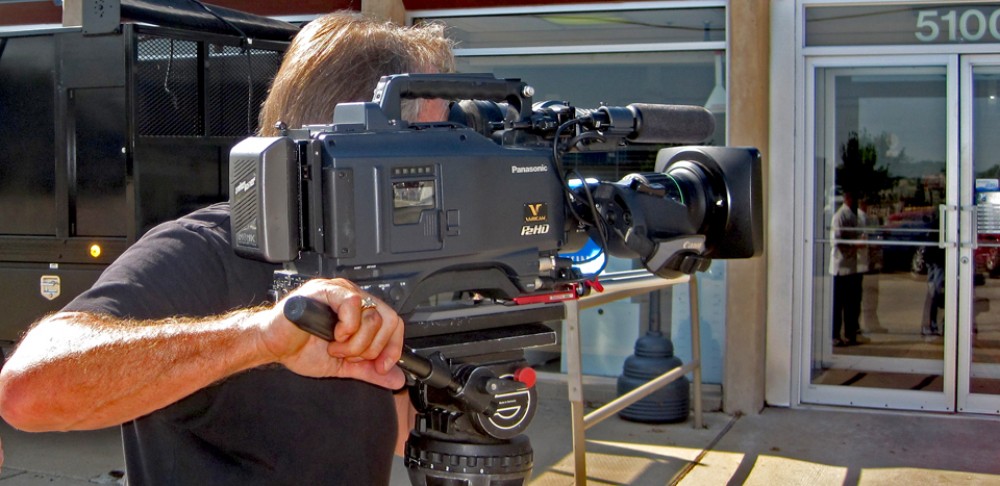
  • Equipment Selection: Choose lightweight, portable gear that can handle various shooting conditions. This includes cameras, lenses, stabilizers, and audio equipment.
  • Location Scouting: If possible, scout the locations in advance to get an idea of lighting and audio challenges.
  • Permits and Releases: Ensure you have the necessary permits for shooting in public spaces and obtain release forms from any individuals who will appear in your video.

2. Shooting Techniques

Successful Run and Gun videography relies on a set of specific shooting techniques:

  • Handheld Shooting: Embrace handheld shooting techniques to maintain mobility and capture dynamic footage. Practice steadying your shots to avoid excessive shakiness.
  • Natural Lighting: Make the most of available natural light. Avoid elaborate lighting setups and rely on your camera’s low-light capabilities when necessary.
  • Audio Capture: Invest in external microphones or wireless audio systems to capture clear and high-quality audio. Pay attention to ambient noise and wind interference.
  • Quick Setup: Be prepared to set up and break down your equipment quickly. Time is often limited, and you don’t want to miss crucial moments.

3. Adaptability and Creativity

In the field, adaptability and creativity are your greatest assets. Here are some tips for staying agile:

  • Follow the Action: Be ready to pivot and follow the action as it unfolds. Don’t be afraid to change your planned shots if something more interesting is happening.
  • Engage with Subjects: Interact with the people you’re filming. Building a rapport can lead to more genuine and relaxed moments on camera.
  • Use Natural Framing: Look for natural frames within your environment, such as doorways or windows, to create visually appealing shots.
  • Experiment with Angles: Try shooting from different angles and perspectives to add variety to your footage.

4. Post-Production and Editing

Once you’ve captured your footage, the post-production process becomes critical:

  • Organization: Carefully label and organize your clips to streamline the editing process.
  • Storytelling: Craft a narrative from the footage you’ve gathered. Use interviews, voiceovers, and on-screen text to tie everything together.
  • Color Correction: Correct any color imbalances and ensure consistency in your footage.
  • Audio Enhancement: Improve audio quality during the editing process by removing noise, adjusting levels, and adding music or sound effects where necessary.
  • Transitions: Use smooth transitions to connect scenes and maintain the flow of your video.
  • Review and Feedback: Seek feedback from colleagues or clients to refine your edit.

5. Repurposing Your Run and Gun Content

One of the strengths of Run and Gun videography is its adaptability even after shooting. Here are some ways to repurpose your content:

  • Social Media Clips: Create short, engaging clips from your footage to share on social media platforms.
  • Behind-the-Scenes Content: Use behind-the-scenes footage to give your audience a glimpse into the creative process.
  • Documentary Series: If you’ve captured a significant amount of footage, consider turning it into a multi-part documentary series.
  • Promotional Videos: Use snippets from your shoot to create promotional videos for your clients or organization.
  • B-Roll Library: Build a library of B-roll footage that can be used in future projects.

St. Louis Camera Crew: Your Run and Gun Videography Experts

At St. Louis Camera Crew, we understand the ins and outs of Run and Gun videography. With the right equipment and a creative crew experienced in this style, we have successfully produced impactful content for numerous clients in the St. Louis area.

Our Services

As a full-service video production company, we offer a wide range of services to meet diverse creative needs:

  • Studio and Location Video: Whether you need to shoot in our studio or on location, we have the expertise to create compelling video content.
  • Post-Production Editing: Our post-production team is skilled at turning raw footage into polished and engaging videos.
  • Still Photography: In addition to videography, we offer still photography services to capture stunning images for your projects.

Specialties

Our experienced videographers, directors, and producers are adept at various aspects of video production:

  • Talking Heads: We excel at shooting talking head segments, ensuring that your message comes across professionally and effectively.
  • Interviews and Testimonials: Capture authentic and compelling interviews and testimonials that resonate with your audience.
  • B-Roll: We understand the importance of B-roll in enhancing your video’s storytelling and visual appeal.
  • Teleprompters: For a more professional and efficient message delivery, we offer teleprompters to help speakers stay on track.

Call to Action

As a full-service video creation company, St. Louis Camera Crew has collaborated with numerous businesses and organizations in the St. Louis area to bring their creative visions to life. Our experienced team of videographers, directors, and producers is ready to tailor our services to meet your unique video and photography needs.

Whether you’re embarking on a Run and Gun videography project or require assistance with a different style of production, we have the expertise and equipment to deliver exceptional results. Contact us today to discuss your next project and discover how St. Louis Camera Crew can elevate your video and photography productions to the next level. Don’t miss the opportunity to create impactful and engaging content with our dedicated team by your side.

314-913-5626

stlouiscameracrew@gmail.com