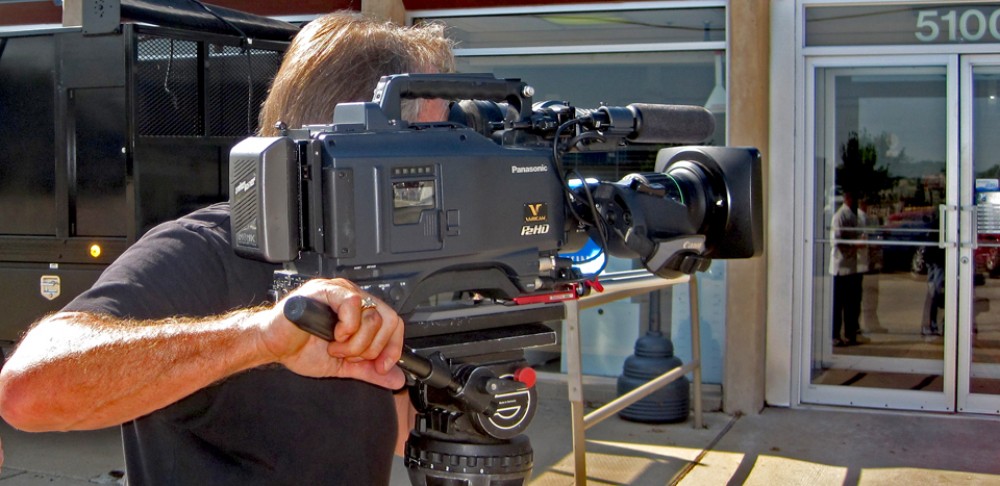
Tips for Working Smoothly with a Small Video Team: Maximizing Efficiency Without Sacrificing Quality

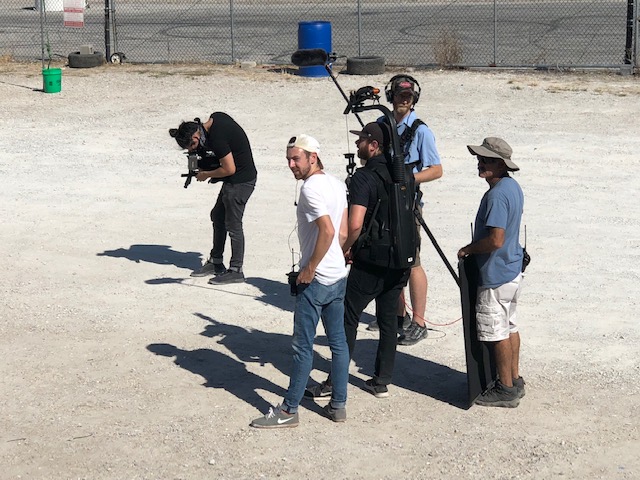
In today’s fast-paced marketing world, efficiency is everything. Whether you’re launching a new product, creating internal communications, or producing branded content, working with a small video crew can offer flexibility, agility, and cost-effectiveness—if done right. At St Louis Camera Crew, we’ve spent decades helping businesses and organizations unlock the full potential of lean video teams. Here are essential tips to ensure your next production runs smoothly, even with a compact crew.


1. Plan with Precision

Pre-production is where the success of small-crew shoots is determined. Because each crew member will likely wear multiple hats, clear communication during the planning phase is vital. Establish:

  • Your goals and target audience
  • A shot list and storyboard (even rough sketches help)
  • A realistic schedule and locations
  • Who is responsible for what (director, DP, audio tech, producer roles may overlap)

The more planning upfront, the less stress and improvisation on set.


2. Streamline Your Script and Storyboard

When working with a small crew, simpler often means smarter. Focus on storytelling that aligns with your budget and resources:

  • Choose interview setups, b-roll, or testimonials that can be achieved in a single location or minimal setups.
  • Minimize lighting and location changes to keep momentum.
  • Use natural light creatively to cut down on gear needs.

A streamlined creative direction allows the crew to focus on quality execution without constant reconfiguration.
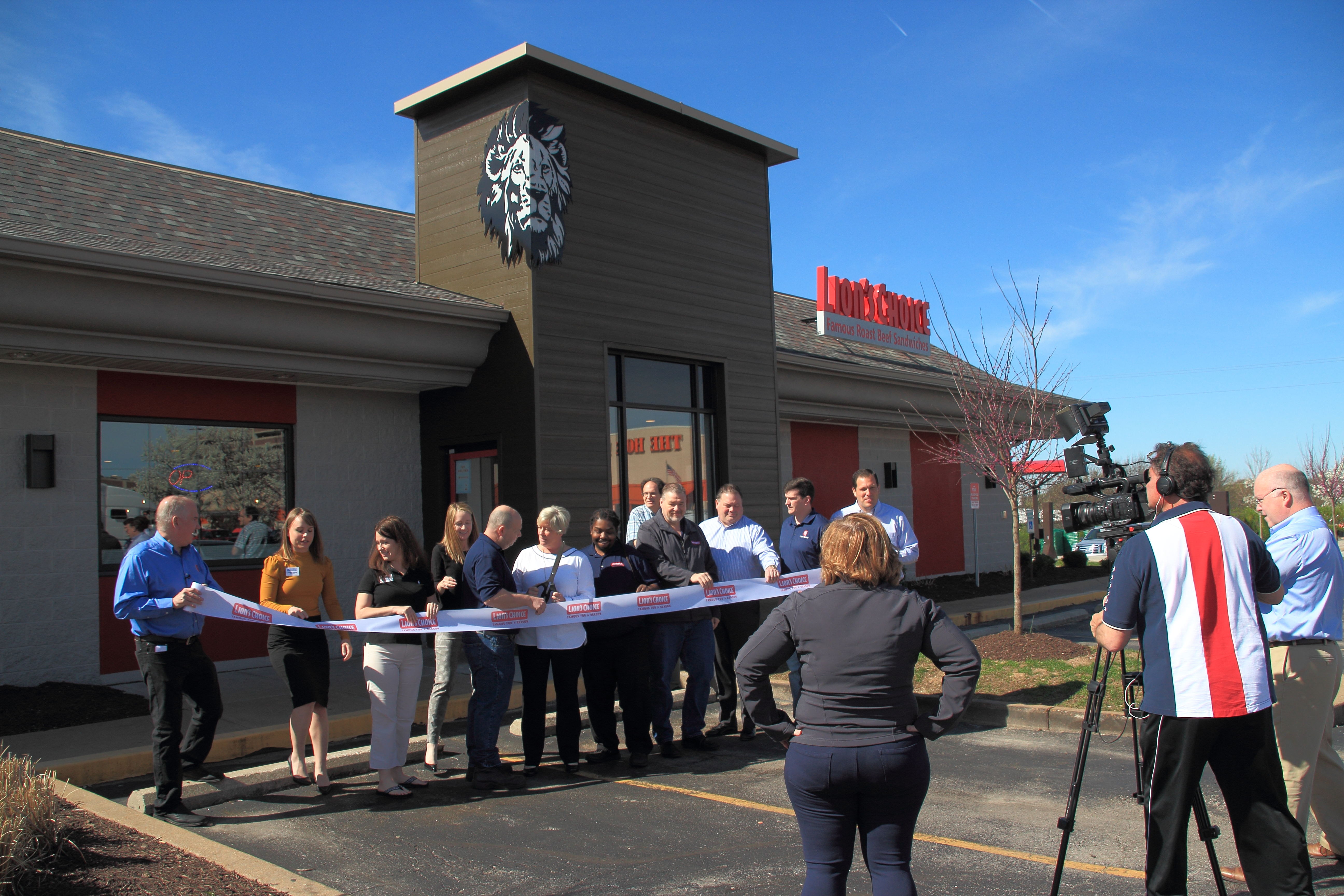

3. Keep Talent and Staff Informed

A smaller team can mean fewer touchpoints for talent and stakeholders. Ensure everyone involved knows:

  • The production schedule and timing
  • Wardrobe expectations
  • Where to look and speak during interviews
  • Who to go to with questions on set

This keeps things moving and avoids confusion or delays during your shoot.


4. Use Versatile Equipment

Small crews need gear that punches above its weight. Lightweight cameras, mobile lighting kits, and wireless audio solutions reduce setup time and increase mobility. At St Louis Camera Crew, we pair compact cinema cameras with AI-enhanced tools for real-time monitoring, framing, and even backup recording—saving time without compromising quality.


5. Trust the Team’s Expertise

A lean video crew brings deep cross-functional experience. Your producer might be framing shots. Your camera operator may also light the scene. Trusting their ability to multitask is key. Lean into their expertise—smaller teams often bring a more collaborative spirit, where creative ideas flow freely.


6. Be Flexible, But Focused

Things change—lighting conditions, noise levels, weather. A small team thrives on adaptability. But focus is essential:

  • Stick to your most critical shots
  • Prioritize quality over quantity
  • Have a backup plan if your ideal location or timing doesn’t work out

Clear priorities allow small crews to pivot without losing the essence of the shoot.


7. Post-Production: Keep the Momentum Going

Once the footage is captured, a small but experienced post-production team can quickly turn raw files into polished content. Use shared notes, time-coded feedback, and version control tools to review efficiently. At St Louis Camera Crew, our editors are often on set to ensure footage is organized and labeled, accelerating turnaround times.


Why St Louis Camera Crew is the Right Partner for Lean Productions

Since 1982, St Louis Camera Crew has specialized in delivering high-impact video and photography services for businesses, marketing agencies, and creative firms throughout the St. Louis region. We know how to make small teams deliver big results.

We’re a full-service commercial photography and video production company offering:

  • Studio and location video and photography
  • Expert editing, post-production, and repurposing services
  • Licensed drone pilots, even for indoor flight
  • Custom interview studios and private studio setups with prop integration
  • The latest AI tools and software for maximum efficiency and creativity

Our experienced crew knows how to work lean without ever compromising on quality, professionalism, or results. Whether you’re capturing interviews, product demonstrations, training videos, or testimonials, St Louis Camera Crew brings the right people, tools, and vision to your shoot.

Let’s collaborate. We’ll help you tell your story with clarity, creativity, and confidence—no matter the size of your crew.

314-913-5626


Mike Haller
St Louis Video Producer

mikeh@hallerconcepts.com

Full Service Video Production Studio and Post Production

4501 Mattis Road
Saint Louis, Missouri 63128
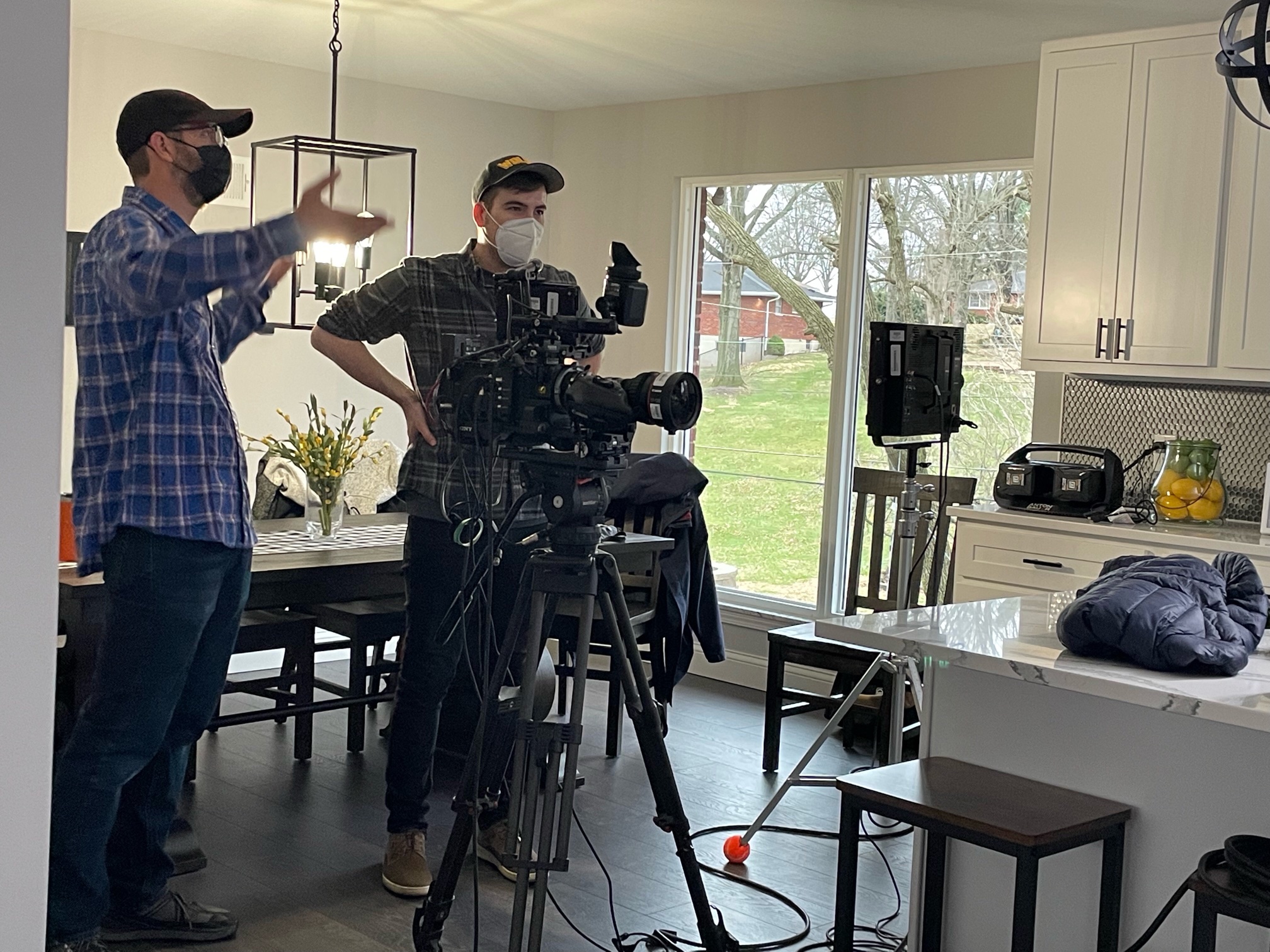
How to Choose the Right Tools for Your Training Videos

Creating an effective training video for your business involves much more than just filming. To ensure your content is engaging, clear, and professional, selecting the right tools is crucial. These tools help you capture high-quality visuals and sound, ensure smooth editing, and enhance the overall experience for your viewers. Whether you’re producing onboarding material, product tutorials, or technical training, the tools you choose will directly impact the final product. In this post, we’ll provide expert advice on how to choose the right tools for your training videos, ensuring your production meets the highest standards.

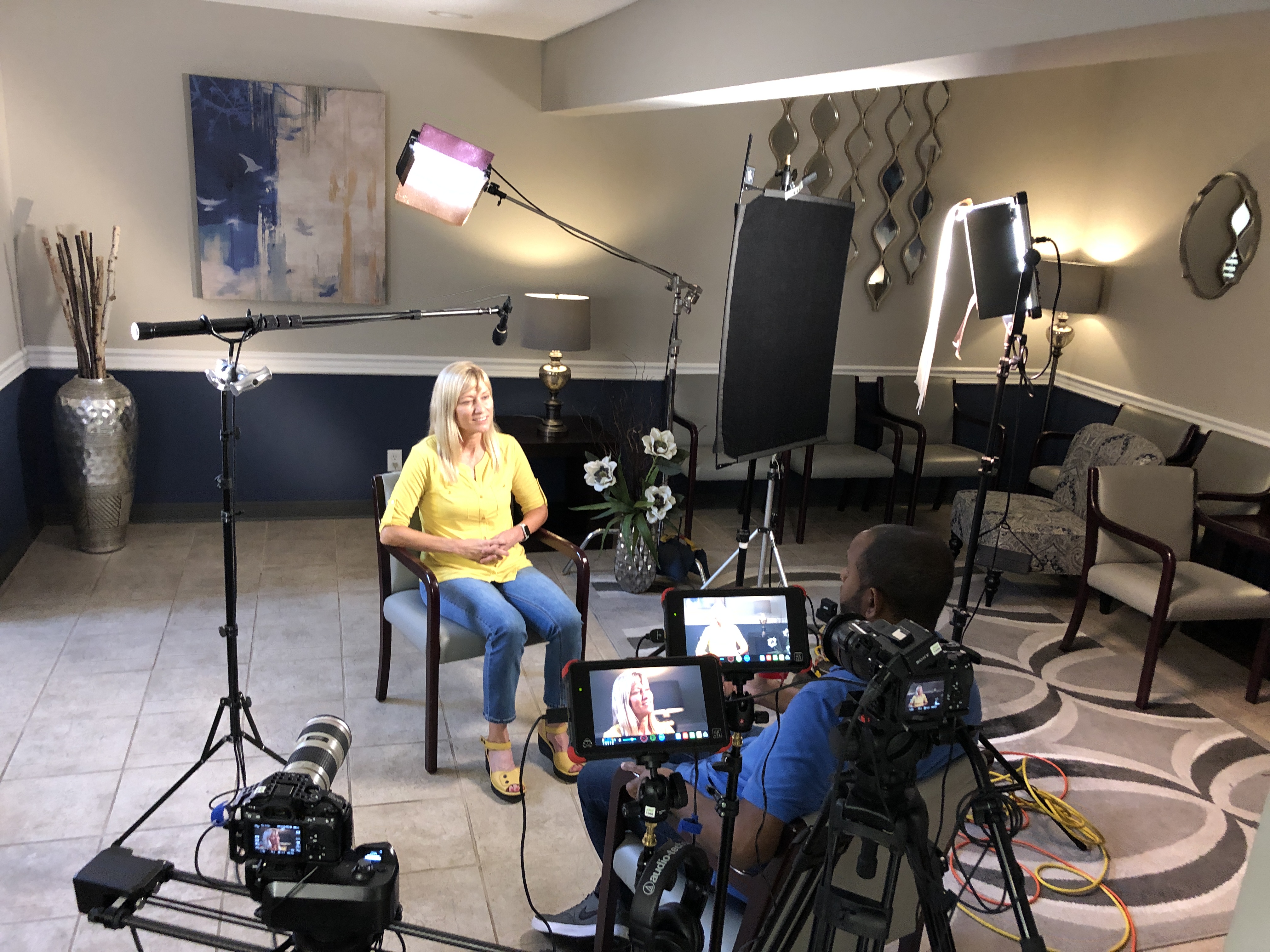
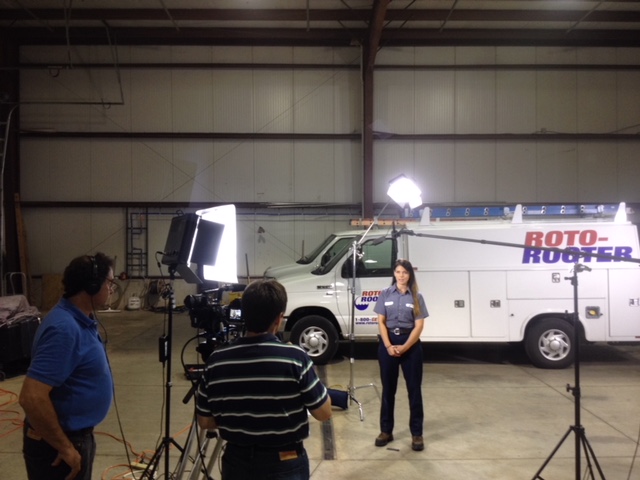
If you’re recording a one-on-one interview or demonstration, you’ll want a soft and flattering lighting setup to highlight the speaker.

1. Camera Equipment: Finding the Right Fit for Your Training Video

The heart of any video production is the camera, but selecting the right one depends on several factors, including the type of content, the environment, and the level of detail you need. Here’s what to consider:

  • Resolution: For most corporate videos, shooting in at least 1080p HD resolution is standard. However, for content that requires a higher level of detail (like product demonstrations or instructional videos), shooting in 4K might be a better choice.
  • Frame Rate: For typical training videos, shooting at 24 or 30 frames per second (fps) provides a natural, cinematic look. If you’re planning to include slow-motion footage (e.g., demonstrating a complex process), you may need cameras that can handle higher frame rates such as 60 fps or more.
  • Lenses: The lens you choose will determine the depth and feel of the video. A standard lens (50mm) is ideal for general shooting, while a wide-angle lens is great for larger group settings or capturing a broader context.

2. Audio: Clear Sound is Essential

While video quality is important, audio is equally, if not more, crucial. Poor sound quality can distract viewers and reduce the professionalism of your training video. Here are key audio tools to consider:

  • Microphones: Lavalier microphones are ideal for capturing clean audio from individual speakers, especially in interviews or tutorials. For more dynamic audio capture, shotgun microphones are perfect for focusing on specific sounds or voices.
  • Audio Recorders: Even with built-in camera microphones, investing in an external audio recorder will improve the overall sound quality, especially in noisy environments or for multi-person interviews.
  • Soundproofing: In some cases, soundproofing your recording environment is a wise choice, especially for small, quiet settings like an office or studio. Minimizing background noise ensures the primary audio is the focus.

3. Lighting: Setting the Mood and Focus

Proper lighting is critical for ensuring your training video looks professional and engaging. Poor lighting can cause shadows, make faces look flat, or make the video look unpolished. Here’s how to set up your lighting for success:

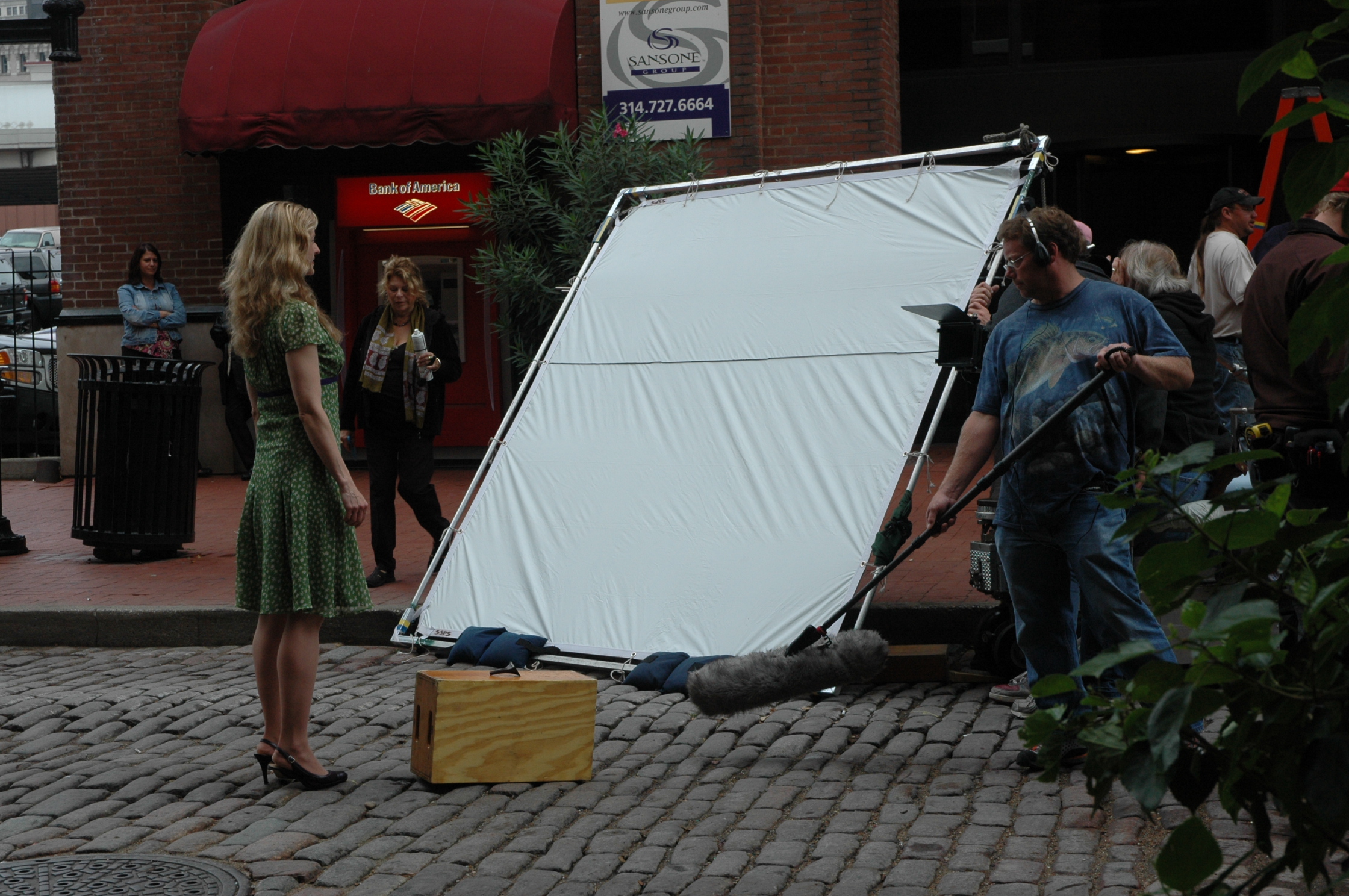
  • Three-Point Lighting: This is the most common lighting setup for video production and includes a key light, fill light, and backlight. The key light provides the main source of light, the fill light softens shadows, and the backlight separates the subject from the background.
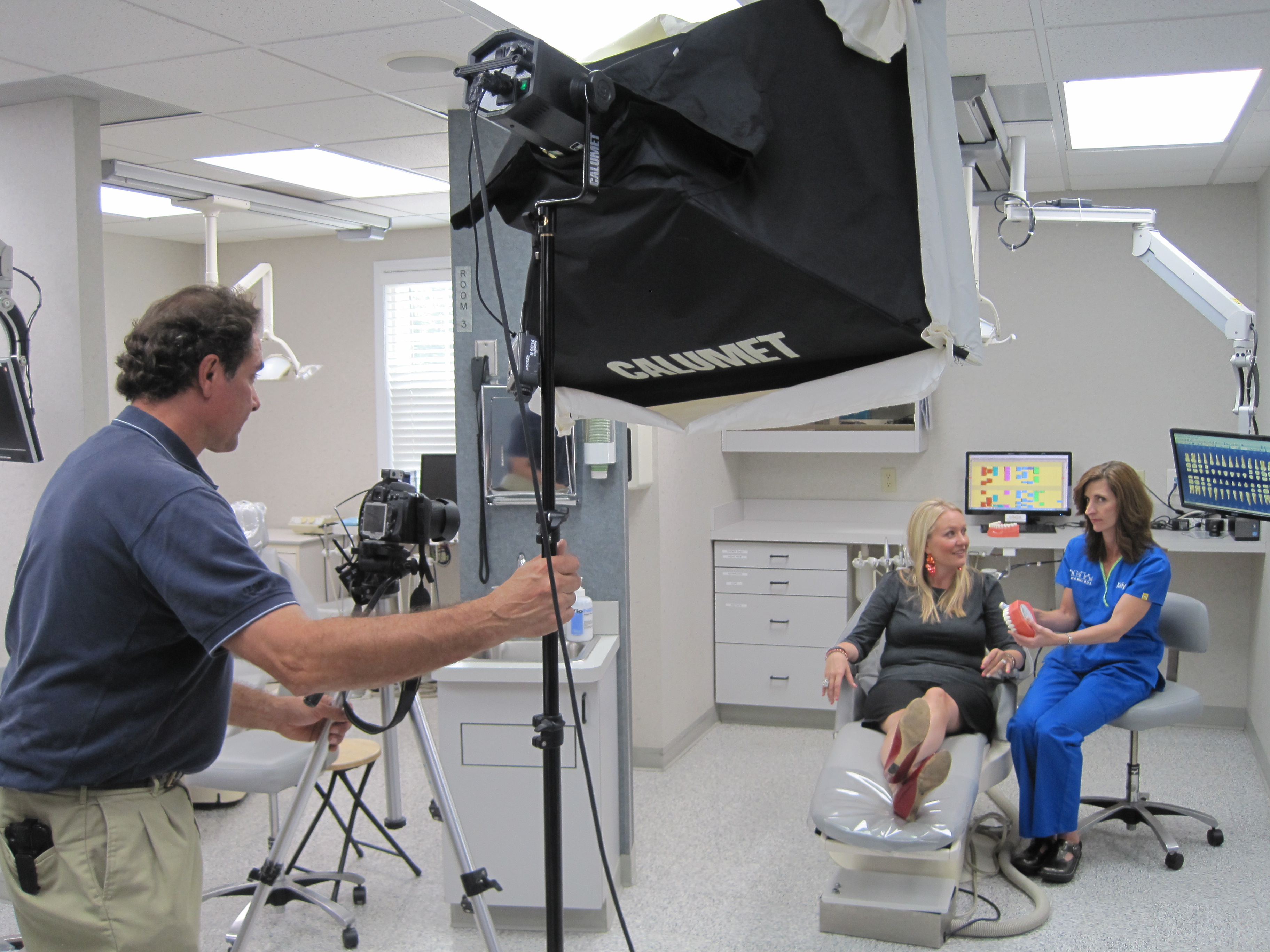
  • Lighting for Interviews: If you’re recording a one-on-one interview or demonstration, you’ll want a soft and flattering lighting setup to highlight the speaker. Softbox lights are a great choice for this.
  • Adjustable Lighting: Invest in lights that can be adjusted in intensity and color temperature. This flexibility helps you create the perfect ambiance for different scenes, whether you’re aiming for a natural or dramatic look.

4. Editing Software: Post-Production Excellence

Once your footage is captured, the right editing software is essential for fine-tuning and assembling your video. Editing lets you polish your content, adjust sound, add graphics, and insert text. Here are some top tools used in professional video production:

  • Adobe Premiere Pro: This industry-standard software provides extensive editing tools, including timeline editing, color correction, and audio syncing.
  • Final Cut Pro: A great option for Mac users, Final Cut Pro offers powerful editing features along with a user-friendly interface.
  • DaVinci Resolve: If you need advanced color grading, DaVinci Resolve offers exceptional tools to enhance your visuals.

Editing also allows you to add closed captions, annotations, and visual aids that can enhance the learning experience for your viewers.

5. Drone Technology: Aerial Shots for Added Impact

Sometimes, training videos benefit from aerial shots to provide unique perspectives or showcase a product or facility. Drones can offer sweeping visuals or highlight large-scale operations in a way that traditional cameras cannot. Consider these factors when choosing drone technology:

  • Flight Capability: Ensure your drone has the stability and range you need for indoor or outdoor use.
  • Camera Quality: Modern drones can shoot in 4K, providing high-resolution footage for crisp and clear visuals.
  • Indoor Flight: Certain drones are specifically designed for indoor flight, which can be helpful if your video includes footage of training scenarios in enclosed spaces like classrooms or factories.

6. Video Collaboration Tools: Working with Teams

If your training video production involves multiple team members—whether from different departments or external agencies—using collaborative tools for real-time feedback and tracking progress is essential. Consider using platforms such as:

  • Frame.io: A cloud-based tool that allows team members to review and leave comments directly on the video timeline.
  • Google Drive or Dropbox: For sharing large video files and assets securely.
  • Trello or Asana: These project management tools help keep everyone on track, ensuring deadlines are met and communication is clear.

7. Studio Setup: Customizing the Environment

Your production environment plays a huge role in the success of your training video. Having a studio set up with the proper equipment, props, and space for interviews or demonstrations is key to creating a professional-looking video.

  • Studio Lighting: For small-scale productions, private custom lighting setups are essential for getting the right look. Our studio at St Louis Camera Crew offers an ideal environment for such setups.
  • Props and Backgrounds: If your training video involves product demonstrations or need background variety, having the right props and set pieces will elevate your video’s visual appeal.
  • Camera Operators and Crew: Having a skilled team on set to manage the cameras, lighting, and audio ensures the production goes smoothly. At St Louis Camera Crew, our experienced crew can help with every part of the production.

Why St Louis Camera Crew Is Your Go-To Partner for Video Production

At St Louis Camera Crew, we pride ourselves on offering comprehensive video and photography services for businesses, marketing firms, and agencies. With over 40 years of experience, we have the right equipment and creative expertise to ensure your training video or any corporate production is executed to perfection.

We specialize in both studio and location video and photography, with a focus on custom setups for interviews, sound, and camera operators. Our private studio is designed to accommodate small productions, and our team can assist with everything from creating a custom interview set to flying drones indoors for stunning aerial shots. We also offer editing, post-production services, and can repurpose your photography and video branding to maximize its impact across different platforms.

Since 1982, St Louis Camera Crew has built a reputation for delivering high-quality video and photography services tailored to our clients’ specific needs. Let us help you choose the right tools for your training videos and ensure your production is a resounding success.

314-913-5626

stlouiscameracrew@gmail.com

Why Location Scouting is Crucial for Your Video Production

In the world of video production, the phrase “location, location, location” resonates just as it does in real estate. The setting where your video is filmed can dramatically impact the final product’s aesthetic, narrative, and overall effectiveness. As decision makers in photography and video production, understanding the importance of location scouting can lead to more successful projects and a significant return on investment.

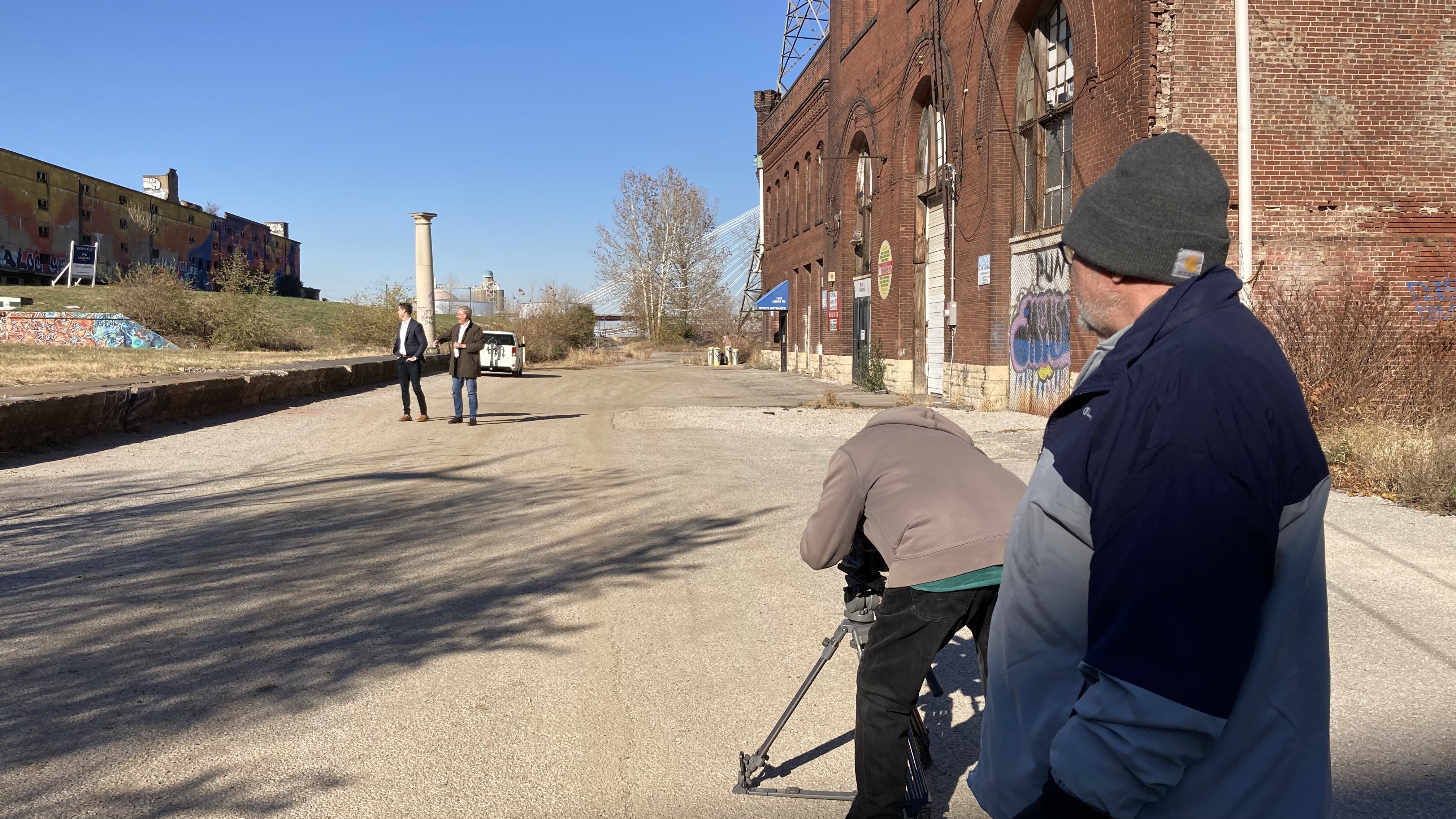
By collaborating closely with directors and producers, location scouts can present options that align with the project’s aesthetic and narrative goals.

The Importance of Location Scouting

1. Enhances Storytelling

Every location carries its unique character and atmosphere, which can enhance the storytelling aspect of your video. Whether you’re capturing the hustle and bustle of a cityscape or the tranquil beauty of a nature setting, the location sets the mood. Thoughtfully chosen locations help convey emotions and themes, making the narrative more engaging for viewers.

2. Increases Production Value

High-quality locations can elevate the production value of your video. Professional-grade settings can create a polished look, making your content stand out. Well-scouted locations often eliminate the need for extensive set design or costly alterations, saving time and resources while ensuring the visuals are compelling.

3. Ensures Accessibility and Compliance

When scouting locations, it’s crucial to consider logistical factors such as accessibility for crew and equipment. Identifying potential challenges, such as parking restrictions or permit requirements, can help prevent delays and ensure smooth operations during filming. Additionally, understanding local regulations can save you from legal complications down the road.

4. Offers Creative Opportunities

A well-executed location scout can reveal hidden gems that inspire creativity. Unique venues can offer fresh perspectives and unexpected angles, enhancing the overall visual storytelling. Locations with distinct architecture, natural landscapes, or vibrant urban environments can provide a rich backdrop that elevates the production.

5. Tailored to Your Vision

Every project has specific requirements, and location scouting allows you to find the perfect match for your vision. By collaborating closely with directors and producers, location scouts can present options that align with the project’s aesthetic and narrative goals. This personalized approach ensures that every aspect of the production supports the intended message.

How St. Louis Camera Crew Excels in Location Scouting

At St. Louis Camera Crew, we understand that successful video production hinges on meticulous planning and execution. Our experienced location scouts are adept at identifying sites that meet your unique production needs while considering factors such as lighting, sound, and composition.

With over 40 years in the industry, we have cultivated strong relationships with local businesses, venues, and municipalities, enabling us to secure prime locations efficiently. Our extensive library of potential shooting sites includes homes, businesses, schools, restaurants, and hospitals, providing a wealth of options for your project.

Full-Service Video and Photography Production

St. Louis Camera Crew is not just about location scouting; we are a full-service professional commercial photography and video production company. Our skilled crew and advanced equipment are tailored for successful image acquisition, ensuring your production runs seamlessly from start to finish.

We offer a wide array of services, including:

  • Studio and Location Video and Photography: We can customize your productions to fit diverse media requirements, whether shooting in our private studio or on location.
  • Editing and Post-Production: Our post-production team ensures that your video is polished and professional, enhancing the final product with the latest editing techniques.
  • Licensed Drone Pilots: Our specialized drones can capture stunning aerial footage, even indoors, adding a dynamic element to your video.
  • Custom Interview Studio Setups: We provide everything from sound and camera operators to equipment, ensuring that every detail is covered for your production.
  • Repurposing Photography and Video Branding: We specialize in repurposing your existing content to gain more traction and enhance your brand’s visibility.

Our private studio features sophisticated lighting and visual setups, making it perfect for small productions and interviews. With ample space to incorporate props, we can help create the ideal environment for your shoot.

Conclusion

In conclusion, location scouting is a critical component of successful video production that directly impacts storytelling, production value, and overall project execution. At St. Louis Camera Crew, our extensive experience, expert location scouts, and comprehensive range of services make us the ideal partner for your next project. Trust us to handle every aspect of your production, ensuring that your vision is realized with the utmost professionalism and creativity. Contact us today to discuss how we can bring your next video project to life.

314-913-5626

stlouiscameracrew@gmail.com