What to Expect When Filming Customer Testimonials: A Guide for Business Decision Makers

For decision makers in businesses and organizations, these real-world endorsements provide compelling, human-centered stories that can sway prospects and elevate brand credibility. But to make the most of testimonial shoots, it’s essential to understand the process, what’s involved, and how to prepare.

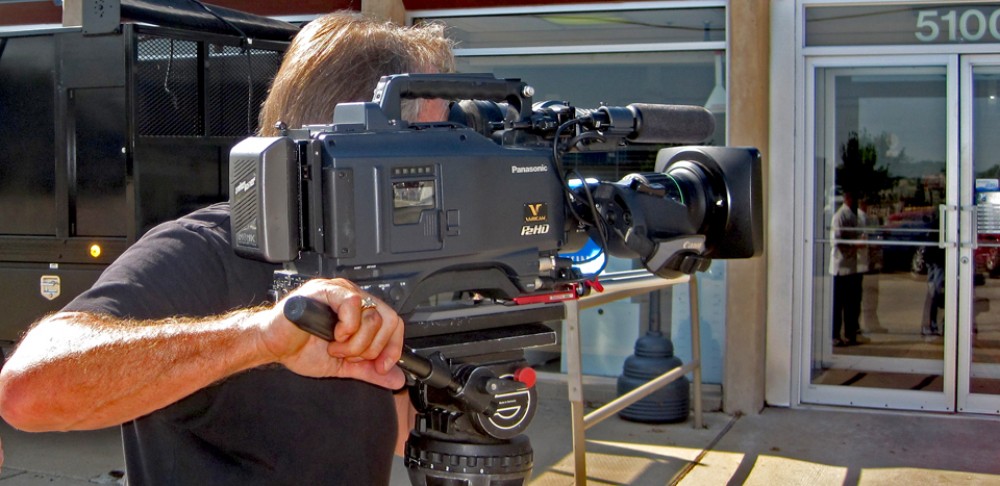
As an experienced videographer, photographer, and producer at St Louis Camera Crew, I’ve led dozens of successful testimonial productions—from Fortune 500 interviews to local brand advocacy campaigns. Here’s a detailed look at what to expect when you’re preparing to capture your next customer testimonial video.


1. Pre-Production Planning: More Than Just Scheduling

Before the camera ever rolls, effective testimonial production begins with strategy. This includes:

  • Identifying the right customer or client: Look for articulate advocates who can speak confidently and genuinely about their experience.
  • Outlining key talking points: Rather than scripting, we focus on conversational prompts that guide the interview while keeping it natural.
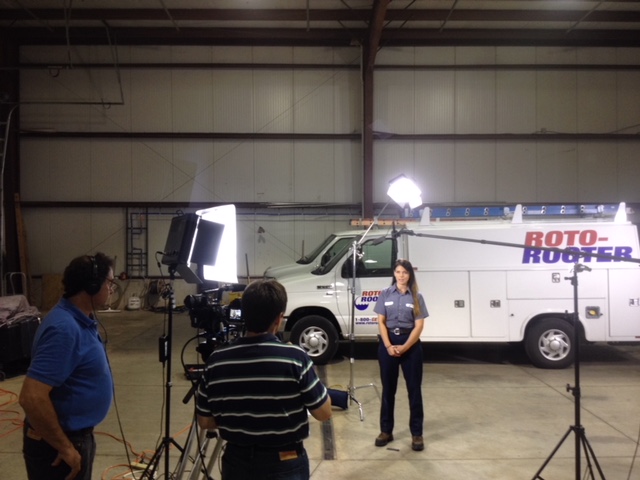
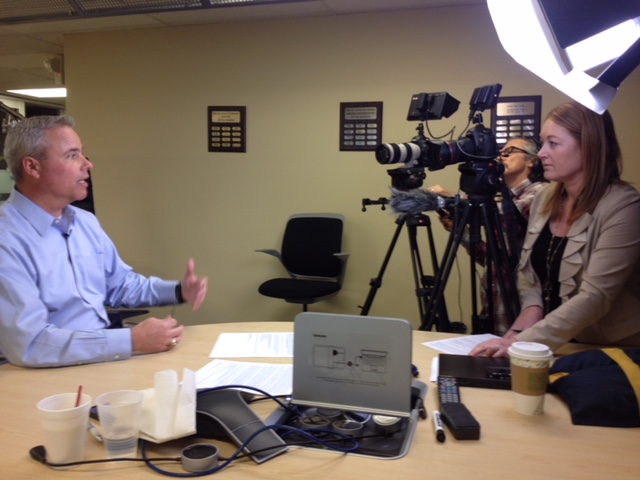
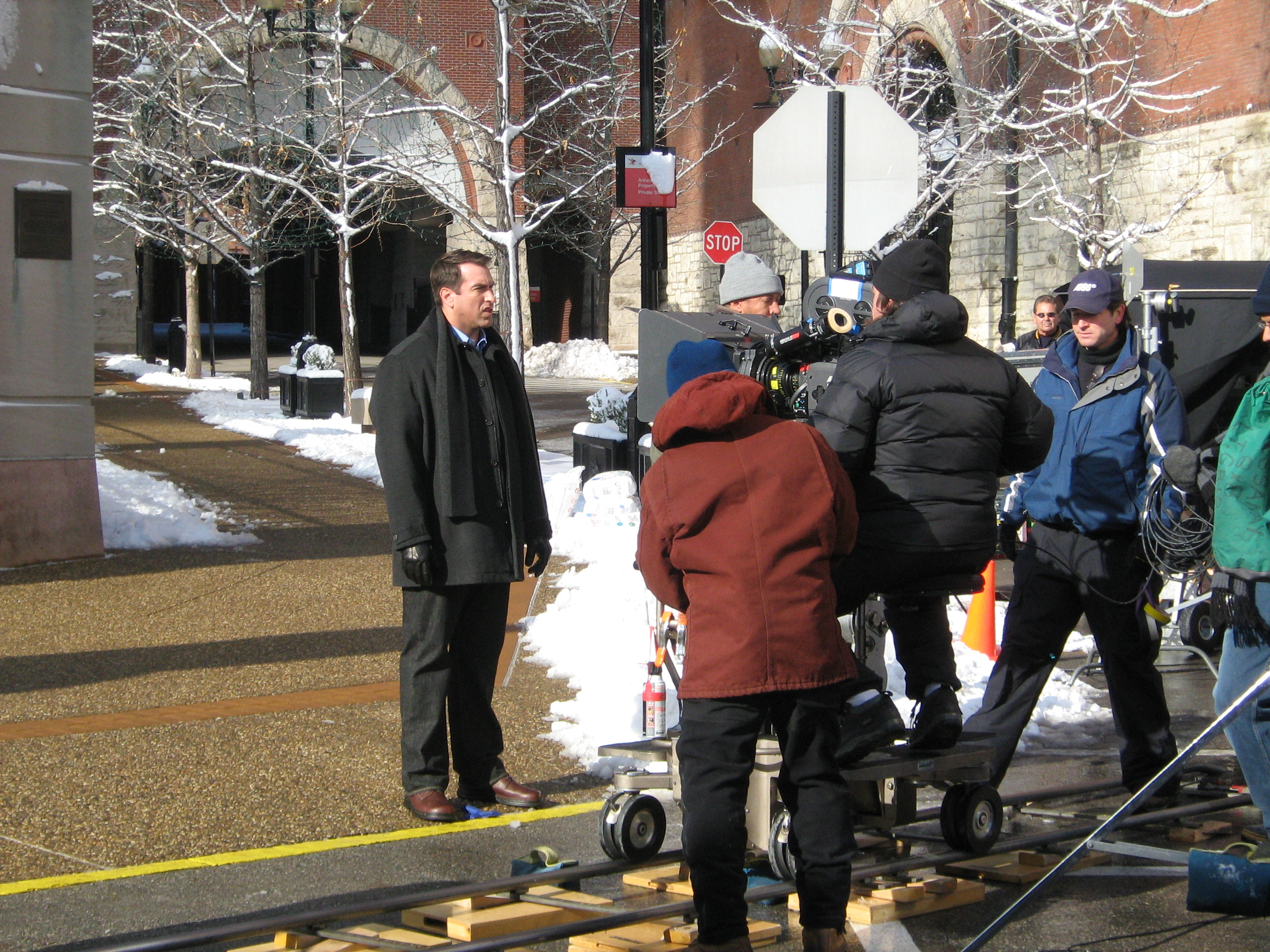
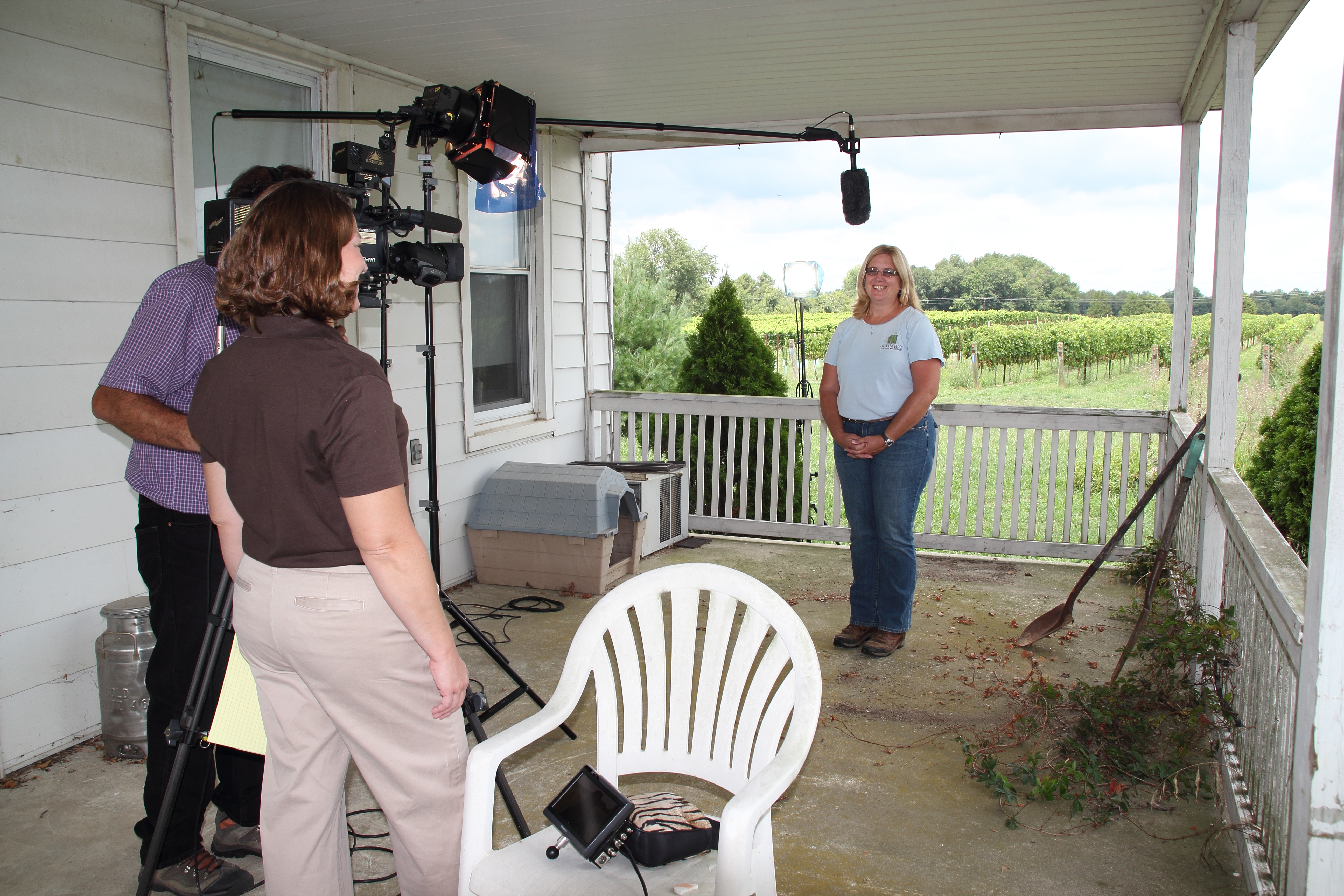
  • Location selection: Whether it’s in the customer’s environment, your office, or our private studio, setting matters. We scout each location for lighting, acoustics, and visual storytelling opportunities.
  • Technical logistics: We coordinate timelines, permissions, backup audio, lighting setups, and ensure a quiet shooting environment to avoid interruptions.

2. Interview Setup: Creating a Comfortable Atmosphere

The key to authentic testimonials is making the subject feel at ease. Our approach includes:

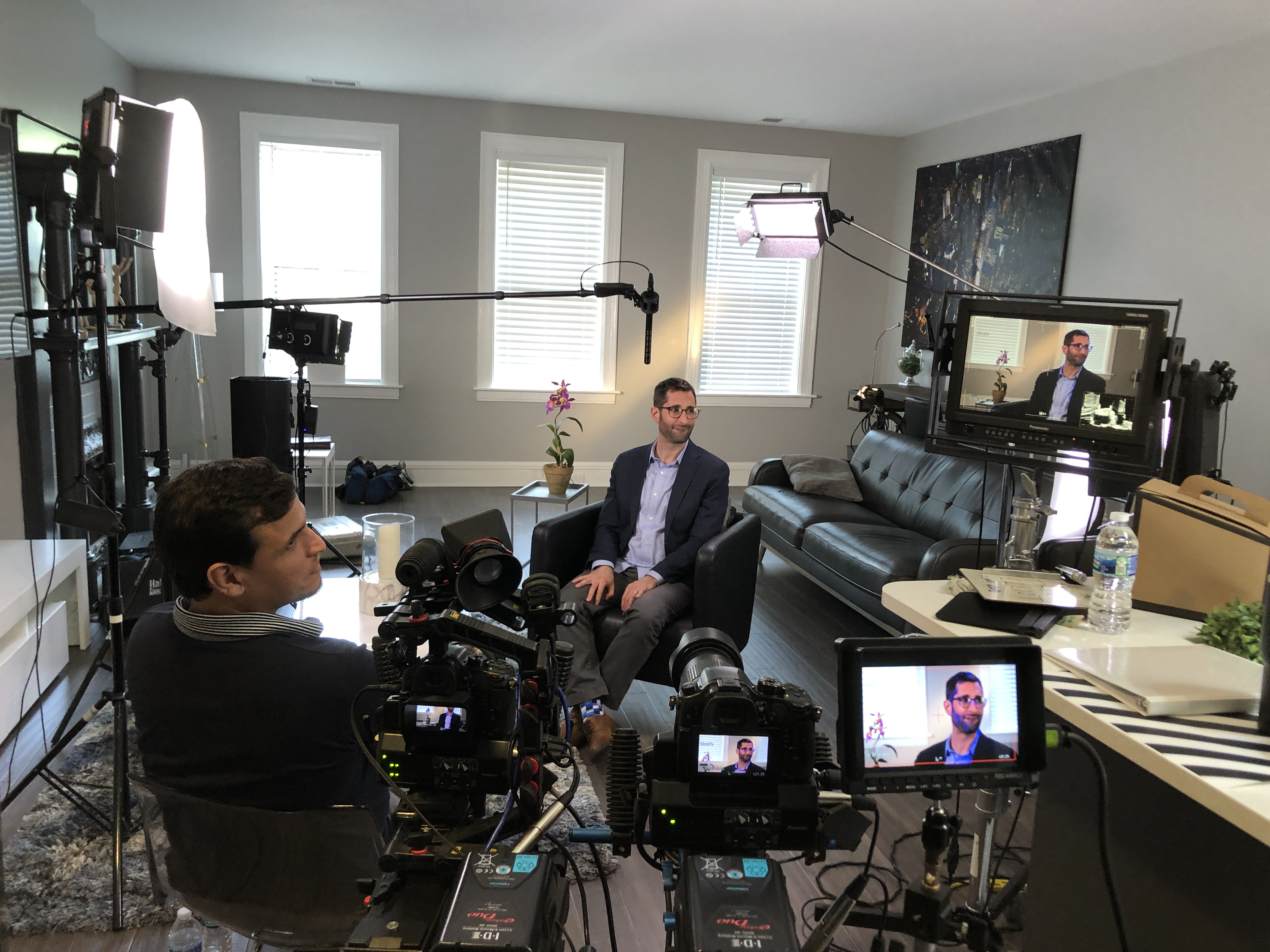
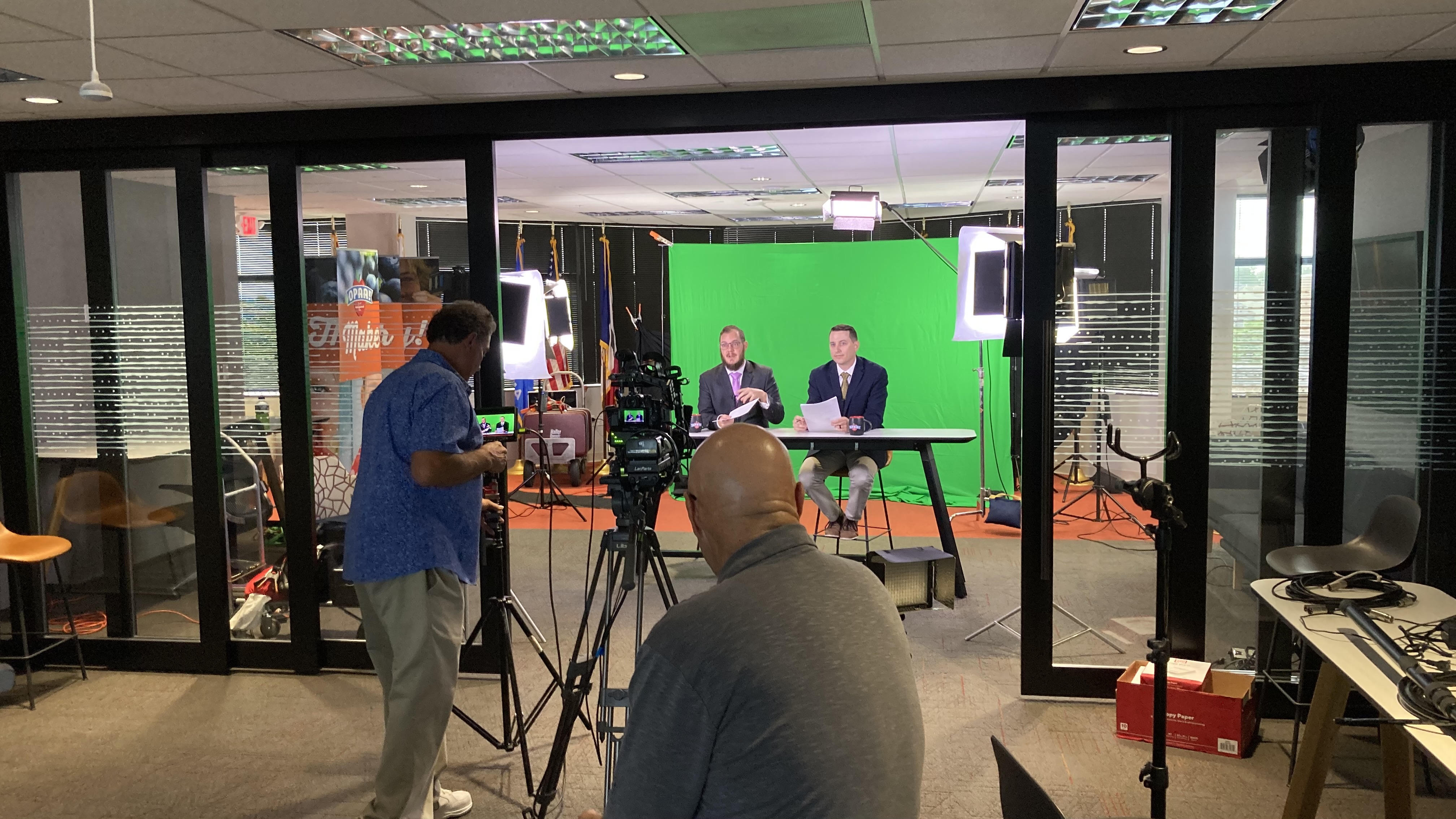
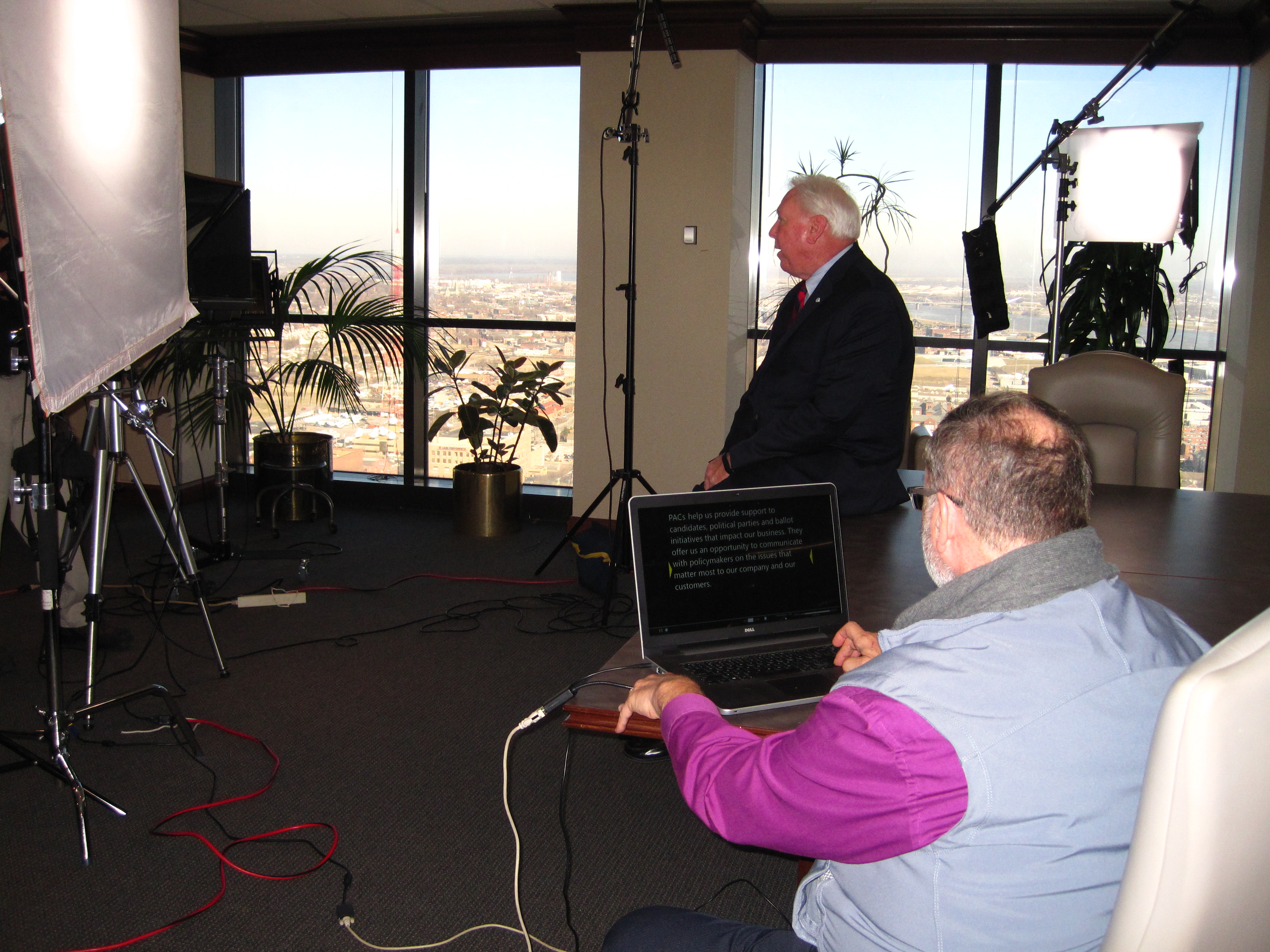
  • Private studio or on-location setups: Our team builds a clean, distraction-free space using cinematic lighting and soft backgrounds.
  • Framing and camera angles: We use flattering, industry-standard interview compositions (e.g., rule-of-thirds, eye-line level).
  • Professional audio: Clear, warm sound is essential. We use lavalier microphones, boom mics, and room dampening to ensure pristine audio capture.
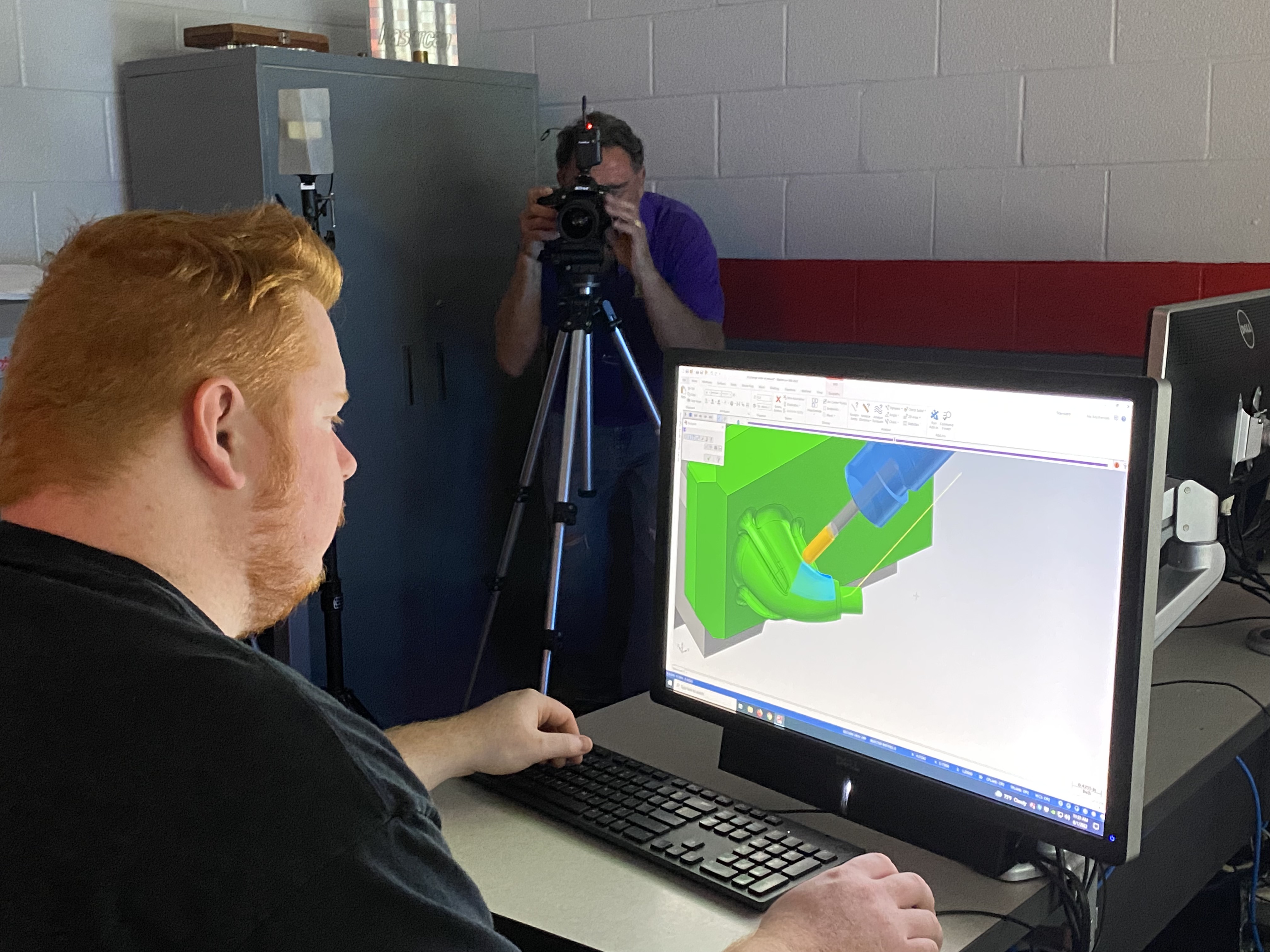
  • B-roll integration: While the interview is the foundation, we capture supporting footage—whether of the client in action, using your product, or interacting with your service—to visually enrich the story.

3. The Interview: Authenticity Over Perfection

One of the biggest misconceptions is that testimonials must be perfect. In reality, authenticity resonates more. Here’s how we help clients shine:

  • Conversational style: We avoid scripted lines and instead use guided questions to prompt natural, emotional responses.
  • Multiple takes: If necessary, we coach talent gently and offer multiple takes to get the best delivery—always with professionalism and empathy.
  • Highlighting key soundbites: Our trained producers identify golden moments in real time, ensuring powerful clips are captured during the shoot.

4. Post-Production: The Real Magic Happens Here

Once filming wraps, the editorial process transforms raw footage into polished, compelling marketing content:

  • Story-driven editing: We shape the narrative by organizing soundbites into a concise and persuasive arc, paired with music, visuals, and graphics.
  • Brand consistency: Your logo, colors, and messaging are integrated throughout to ensure the testimonial fits seamlessly within your brand ecosystem.
  • Captioning and formatting: From social media teasers to full-length case study videos, we optimize final outputs for all channels and devices.

5. Multi-Purpose Content: Get More From Each Testimonial

A key benefit of testimonial videos is content repurposing. Our clients often use the same shoot to produce:

  • Website landing page content
  • Email marketing assets
  • Paid social ad clips
  • Internal communications or sales enablement videos

We ensure all assets are delivered in the appropriate aspect ratios, resolutions, and file types—ready for deployment across your marketing stack.

Partner with a Trusted Production Team

At St Louis Camera Crew, we’ve helped countless businesses, marketing firms, and creative agencies bring their customer stories to life through compelling, professional testimonial videos. Our full-service approach means you don’t have to worry about a thing—from equipment to crew, studio to drone, lighting to final edit.

Whether you need to capture a single powerful client endorsement or build a full series of testimonials, we have:

  • The right equipment and studio setups
  • A seasoned creative team for both studio and location productions
  • Expertise in editing, post-production, and AI-enhanced services
  • Licensed drone pilots, including the ability to fly drones indoors
  • An experienced crew capable of managing every detail from concept to delivery

We’re not just your camera crew—we’re your production partner. Since 1982, St Louis Camera Crew has delivered seamless video and photography solutions for businesses across the St. Louis area.

Let us help you turn customer satisfaction into your strongest marketing asset.

314-913-5626


Mike Haller
St Louis Video Producer

mikeh@hallerconcepts.com

Full Service Video Production Studio and Post Production

4501 Mattis Road
Saint Louis, Missouri 63128
The Best Types of B-Roll for Different Interview Styles: A Comprehensive Guide for Successful Corporate Video Production

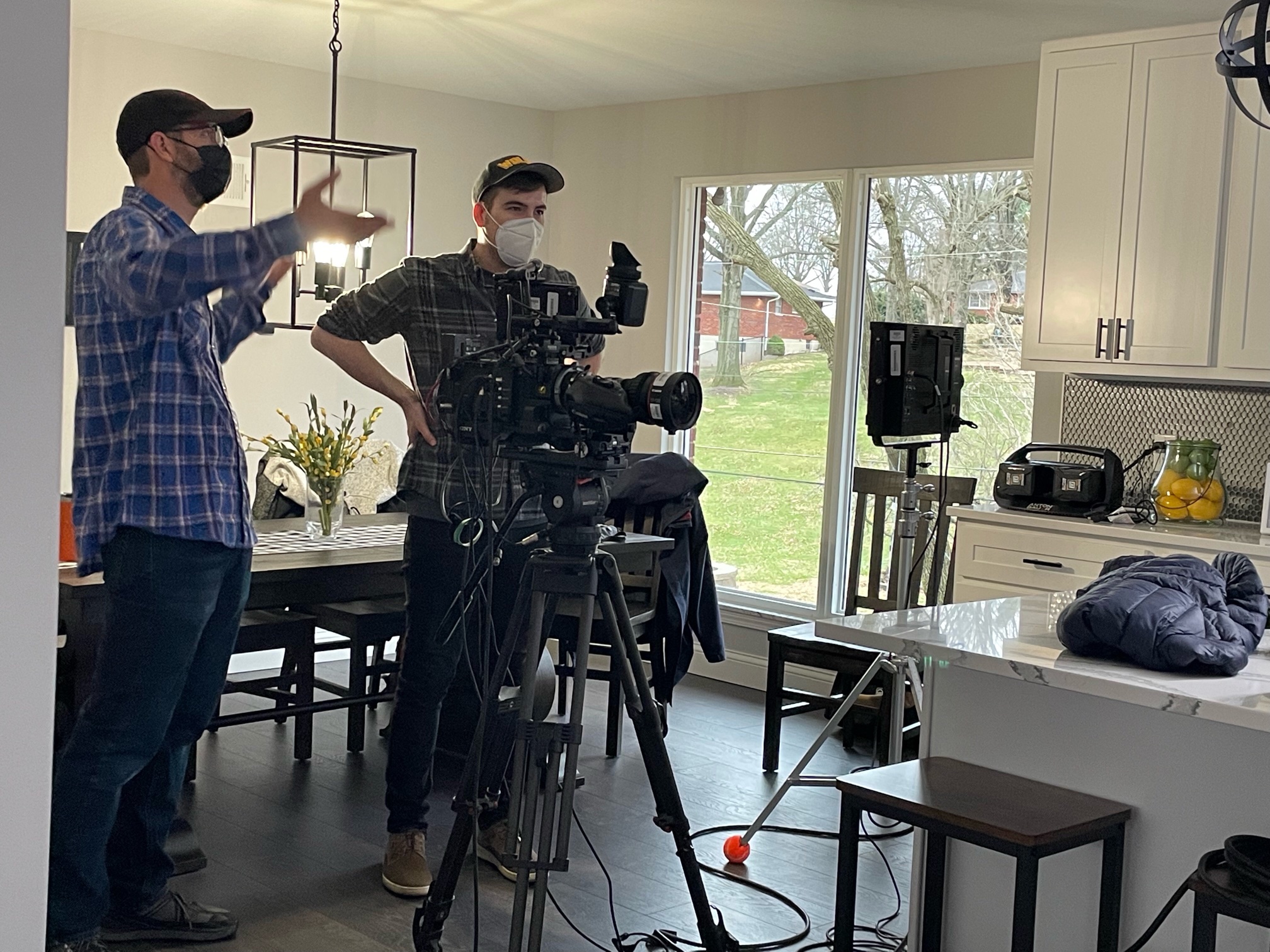
In the world of corporate video production, interviews are often the backbone of storytelling. Whether you’re creating a promotional video, a customer testimonial, or an internal company documentary, the power of a well-executed interview cannot be overstated. However, to ensure that your video engages your audience and looks professional, it’s essential to pair these interviews with high-quality B-roll footage. B-roll enhances your story, keeps the audience visually engaged, and provides context to the words being spoken. But with so many types of B-roll to choose from, how do you know which one best suits your interview style?

If the subject is discussing a significant event or moment in their life, B-roll can provide additional context—such as showing where an event took place, interviews with other people involved, or related locations.

In this blog post, we will explore the best types of B-roll for various interview styles, along with some tips for maximizing the effectiveness of this essential footage.

1. The Traditional One-on-One Interview

For a straightforward one-on-one interview, where the interviewee speaks directly to the camera or to an interviewer just off-camera, the key to effective B-roll is to capture the context of what is being discussed. This allows your audience to connect the visual elements with the narrative, making the message more relatable.

Best Types of B-Roll:

  • Cutaway shots of the environment: Show the setting or location where the interview is happening. If the interview is taking place in an office, capture shots of people working, papers on desks, or close-ups of important documents.
  • Action shots: If the interviewee is discussing a specific product or service, shoot B-roll of the product in use or in action. This reinforces the spoken message visually.
  • Over-the-shoulder shots: Capture the perspective of the interviewer or the subject’s reaction to the conversation. This adds depth and perspective to the interview, offering a different viewpoint.

2. Customer Testimonials

Customer testimonials provide powerful insights into the impact of your products or services. In these interviews, the customer speaks from their own experience, which is relatable for potential buyers.

Best Types of B-Roll:

  • Lifestyle shots: Show the customer using your product or service in a natural, real-world environment. This helps build authenticity and trust with the audience.
  • Before-and-after comparisons: If your product or service brings about a change, whether tangible or intangible, show the difference it made. This could be as simple as a customer using the product before and after.
  • Product-focused B-roll: Capture close-up shots of the product in use, focusing on its features and benefits as the customer describes their experience.

3. Corporate Culture and Employee Interviews

When producing a video that showcases your company’s culture or features employee interviews, it’s important to convey the energy, environment, and values of your organization.

Best Types of B-Roll:

  • Office/Workspace B-roll: Show your team in action—whether they’re collaborating in meetings, brainstorming ideas, or using equipment and technology. These shots help portray your company’s dynamic work culture.
  • Employee interactions: Show employees interacting with each other or engaging in meaningful work. Capturing candid moments helps humanize the company and provides a window into its culture.
  • Branding shots: If the employee is talking about company values, show B-roll that reinforces the company’s mission and visual branding, such as logo shots, company slogans, or even branded merchandise.

4. Documentary-Style Interviews

Documentary-style interviews often dive deep into personal stories, significant events, or complex ideas. These interviews benefit from B-roll that tells a visual story that complements the subject’s words.

Best Types of B-Roll:

  • Archival or historical footage: If discussing a past event or important milestone, historical photos or video clips can help illustrate the story.
  • Emotional and intimate shots: For personal or emotional interviews, capture B-roll that reflects the feelings expressed in the interview. This might include thoughtful close-ups, candid moments, or even environmental shots that evoke a particular mood.
  • Situational B-roll: If the subject is discussing a significant event or moment in their life, B-roll can provide additional context—such as showing where an event took place, interviews with other people involved, or related locations.

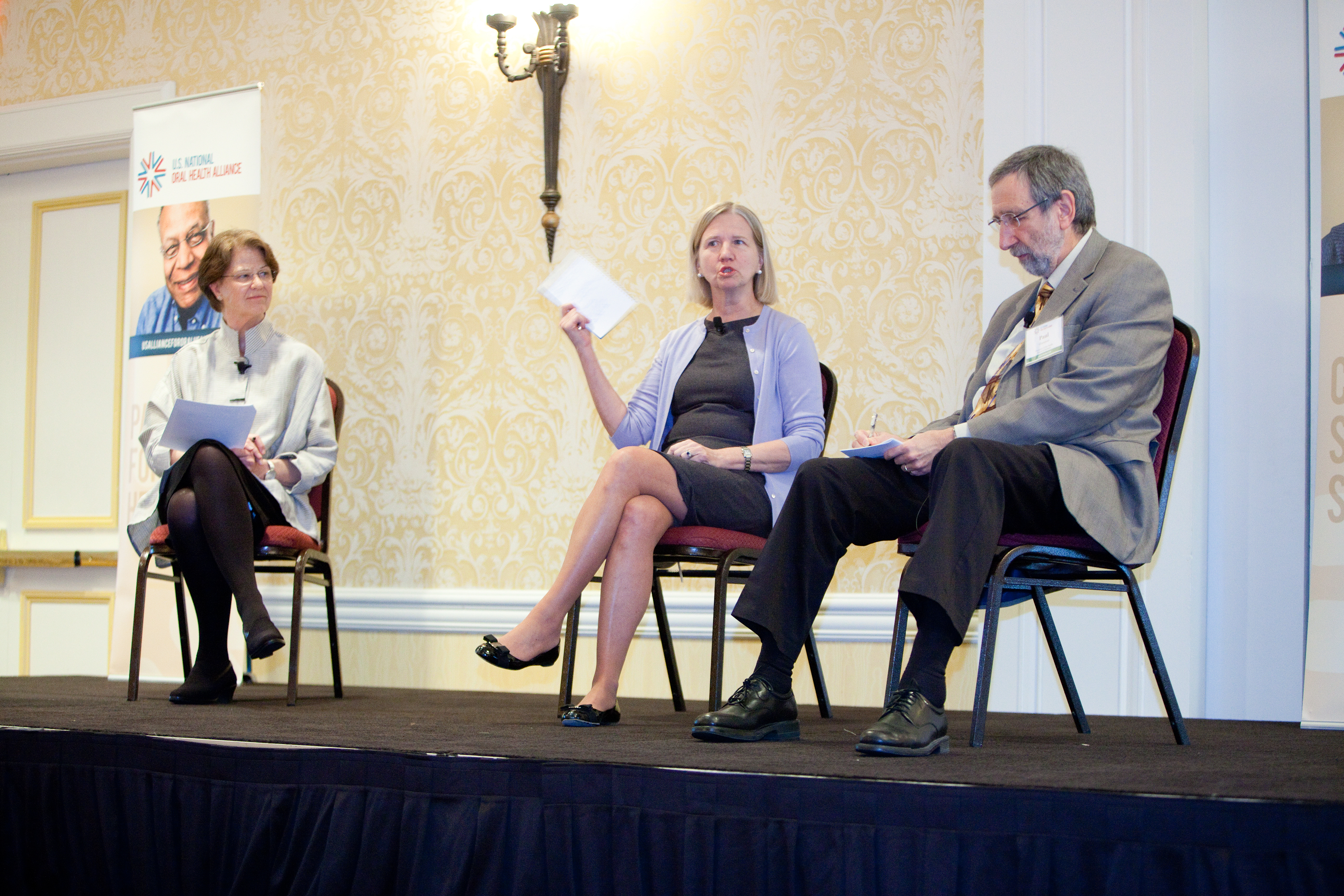
5. Panel or Roundtable Discussions

In panel-style interviews, where multiple people discuss a topic, the B-roll needs to capture the diverse range of voices and ideas being shared. It also helps to highlight moments of connection between the speakers or audience reactions.

Best Types of B-Roll:

  • Reaction shots: Capture the reactions of the audience, whether they’re nodding, taking notes, or engaged in the discussion. This gives a sense of the audience’s connection to the conversation.
  • Wide shots of the panel: Capture the entire panel in action. This will set the scene and show the dynamics between the panelists.
  • Close-ups of individual speakers: Get intimate close-ups of the panelists while they speak to emphasize their role in the conversation.

6. Product Demonstrations

When showcasing a product, the primary goal of the B-roll is to highlight its functionality and benefits. Product demos require clean and clear footage that complements the explanation given in the interview.

Best Types of B-Roll:

  • Close-ups of the product in use: Whether it’s a new technology or a physical product, detailed shots of the product in action help provide clarity and focus.
  • Step-by-step demonstrations: If the product requires a sequence of actions to use, show these steps clearly in your B-roll footage.
  • Creative product shots: Show the product from different angles or with special lighting to highlight its design and features.

How St. Louis Camera Crew Can Help You Get the Perfect B-Roll

At St. Louis Camera Crew, we understand the importance of B-roll in enhancing your video production. As a full-service professional commercial photography and video production company, we offer the right equipment and creative expertise to capture the ideal B-roll that complements your interviews and corporate messaging. Whether you need studio or location video and photography, editing, post-production, or licensed drone pilots, our team has the experience to execute your vision.

With our private studio lighting and visual setups, we can customize the perfect environment for small productions and interview scenes. Our studio space is also large enough to incorporate props to round out your set, adding an extra layer of creativity to your shoot. From custom interview studio setups to providing sound and camera operators, we ensure every part of your production is executed flawlessly.

We are well-versed in all types of media files, styles, and accompanying software, and we specialize in repurposing your video and photo content to gain more traction across multiple platforms. Our expertise in flying specialized drones indoors allows us to capture unique aerial shots that add depth and interest to your B-roll.

Since 1982, St. Louis Camera Crew has been serving businesses, marketing firms, and agencies across the St. Louis area. Let us help you take your video production to the next level with professional B-roll that brings your interview to life. Contact us today to discuss your upcoming project.

314-913-5626

stlouiscameracrew@gmail.com

A Guide to Shooting Professional Video Interviews and Candid Photography at Events

Whether you’re promoting a product, showcasing an event, or telling your brand’s story, professional video interviews and candid photography are indispensable tools. They offer a dynamic way to engage your audience and leave a lasting impression.

Establish a rapport with your interviewees to make them feel at ease. Encourage natural conversation and active listening to capture authentic responses.

Understanding the Importance

Video interviews and candid photography serve as powerful storytelling mediums. They allow you to convey authenticity, emotion, and depth, which can significantly enhance your brand’s narrative. Additionally, they provide valuable content for various marketing channels, including websites, social media platforms, and promotional materials.

Preparing for the Shoot

1. Storyboarding and Scripting

Before diving into the shoot, it’s essential to plan out your content. Create a storyboard outlining the shots you need and the narrative flow of your video interviews. If scripted, ensure that your questions are clear, concise, and tailored to evoke meaningful responses from your subjects.

2. Location Scouting

Choose a location that aligns with your brand and the tone of your content. Whether it’s a corporate office, event venue, or outdoor setting, consider factors such as lighting, acoustics, and ambiance. Scout the location beforehand to address any logistical challenges and optimize the shooting environment.

3. Equipment Setup

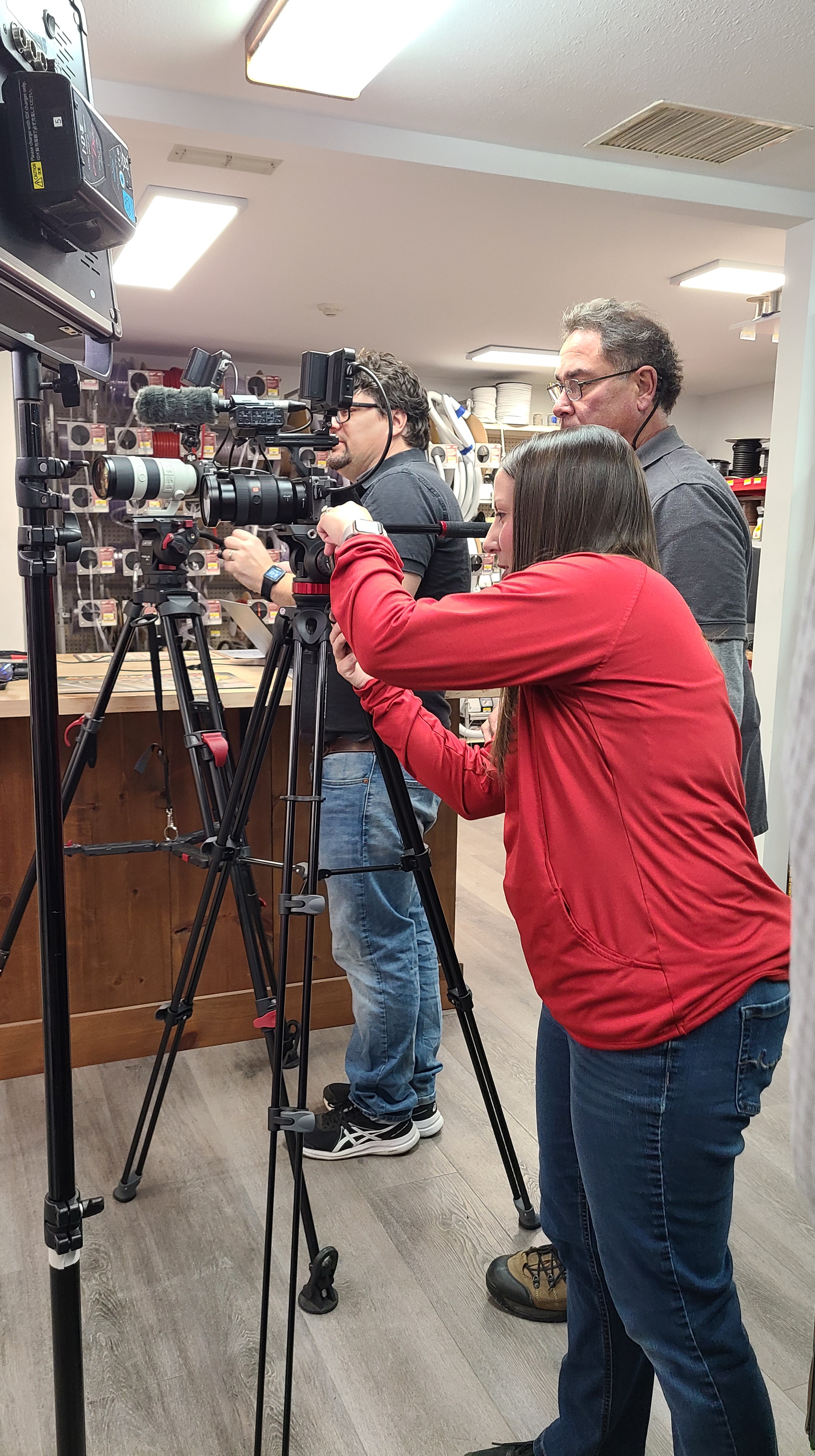
Invest in high-quality equipment to achieve professional results. This includes cameras, lenses, microphones, and lighting gear. Test your equipment prior to the shoot to ensure everything is functioning correctly and make any necessary adjustments based on the shooting environment.

Shooting Techniques

1. Video Interviews

  • Composition: Frame your subjects with care, ensuring they are centered and well-lit. Pay attention to background elements to maintain visual coherence.
  • Interviewee Comfort: Establish a rapport with your interviewees to make them feel at ease. Encourage natural conversation and active listening to capture authentic responses.
  • Lighting: Utilize natural light whenever possible, but supplement with artificial lighting as needed to enhance visibility and eliminate shadows.
  • Sound Quality: Use high-quality microphones to capture clear audio. Minimize background noise and echo by selecting a quiet, controlled environment for filming.

2. Candid Photography

  • Capture Emotion: Look for candid moments that convey emotion and authenticity. Be discreet while shooting to avoid disrupting the natural flow of events.
  • Composition: Experiment with angles and perspectives to create visually compelling images. Pay attention to framing and the rule of thirds to add interest to your photos.
  • Timing: Anticipate key moments and be ready to capture them in real-time. Stay alert and observant to seize spontaneous opportunities for impactful shots.
  • Post-Processing: Enhance your photos through post-processing techniques such as color correction, cropping, and retouching. Maintain a consistent visual style to reinforce your brand identity.

Post-Production

1. Video Editing

  • Assembly: Arrange your interview footage in a cohesive sequence that follows your storyboard. Trim unnecessary content and focus on conveying your key messages effectively.
  • Graphics and Transitions: Incorporate graphics, lower thirds, and transitions to enhance visual appeal and reinforce branding elements.
  • Audio Enhancement: Fine-tune audio levels and apply noise reduction techniques to ensure clarity and consistency throughout the video.

2. Photography Editing

  • Culling and Selection: Review your candid photos and select the best shots that align with your storytelling objectives.
  • Color Correction: Adjust color balance, exposure, and contrast to enhance visual impact and maintain consistency across your photo set.
  • Retouching: Address any imperfections or distractions in your photos through retouching techniques such as blemish removal and object removal.

Conclusion

Shooting professional video interviews and candid photography at events requires careful planning, technical expertise, and creative vision. By following the guidelines outlined in this guide, you can elevate your visual content and effectively communicate your brand’s message to your audience.

Remember, consistency is key in maintaining a cohesive brand identity across all your marketing channels. Whether you’re producing corporate videos or capturing candid moments at events, strive for excellence in every aspect of your visual content creation process.


At St Louis Camera Crew, we understand the intricacies of producing professional video interviews and candid photography for businesses and organizations. With our experienced team of photographers, videographers, and editors, we offer full-service solutions tailored to your specific needs. From conceptualization to post-production, we’re dedicated to delivering high-quality imagery that resonates with your audience and enhances your brand’s visibility. Contact us today to learn more about how we can elevate your visual storytelling efforts.

314-913-5626

stlouiscameracrew@gmail.com