Tips for Working Well with a Camera Crew to Elevate Your Video Production

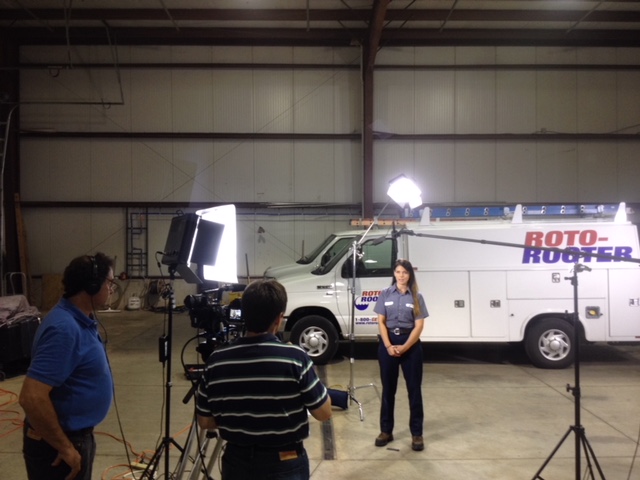
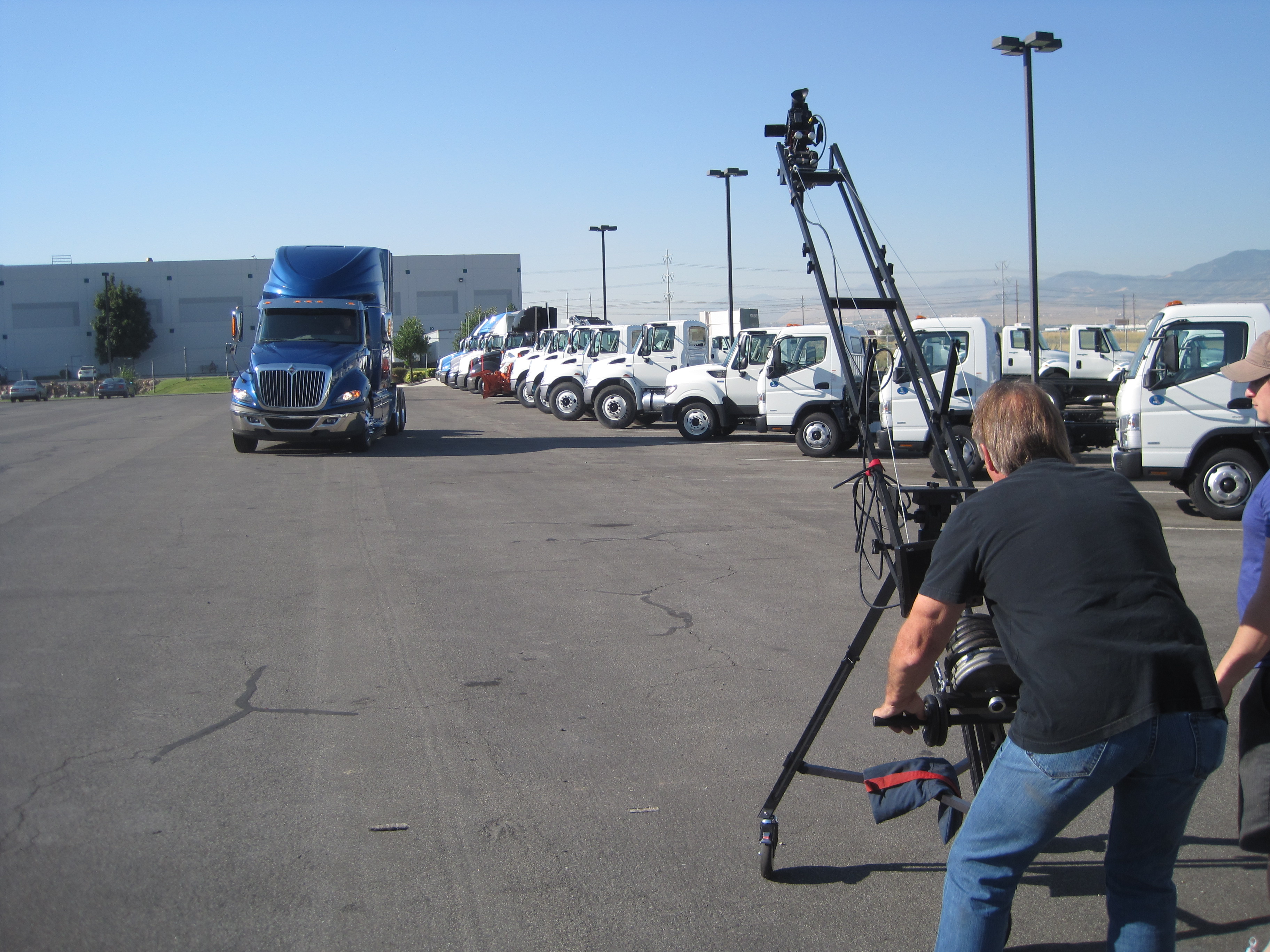
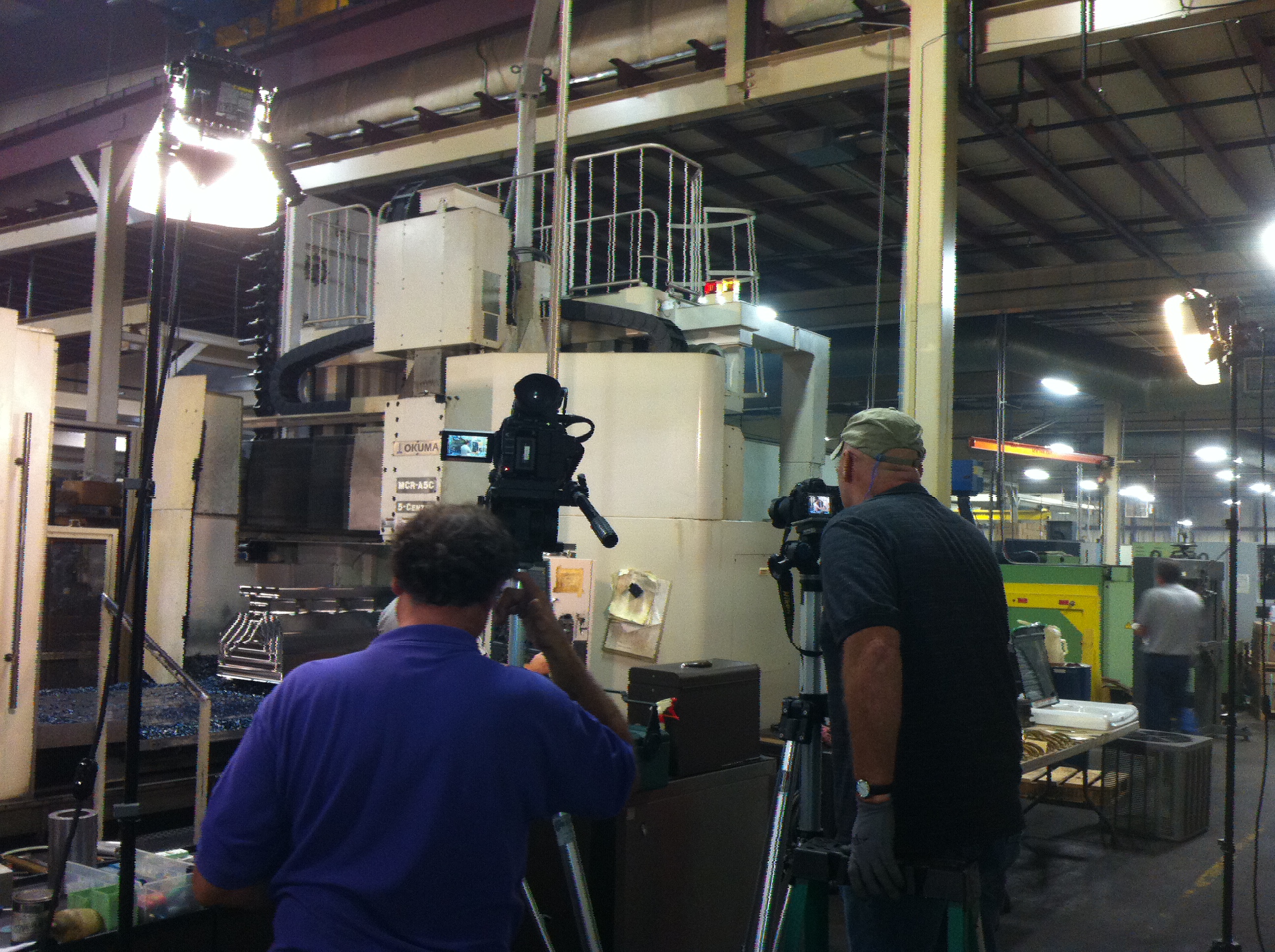
In today’s digital age, video content is a powerful tool for marketing, branding, and storytelling. Whether you are producing a corporate video, a commercial, or an internal training module, working efficiently with a professional camera crew is crucial to achieving high-quality results. Here are some expert tips to ensure a seamless collaboration with your camera crew and make the most out of your production day.

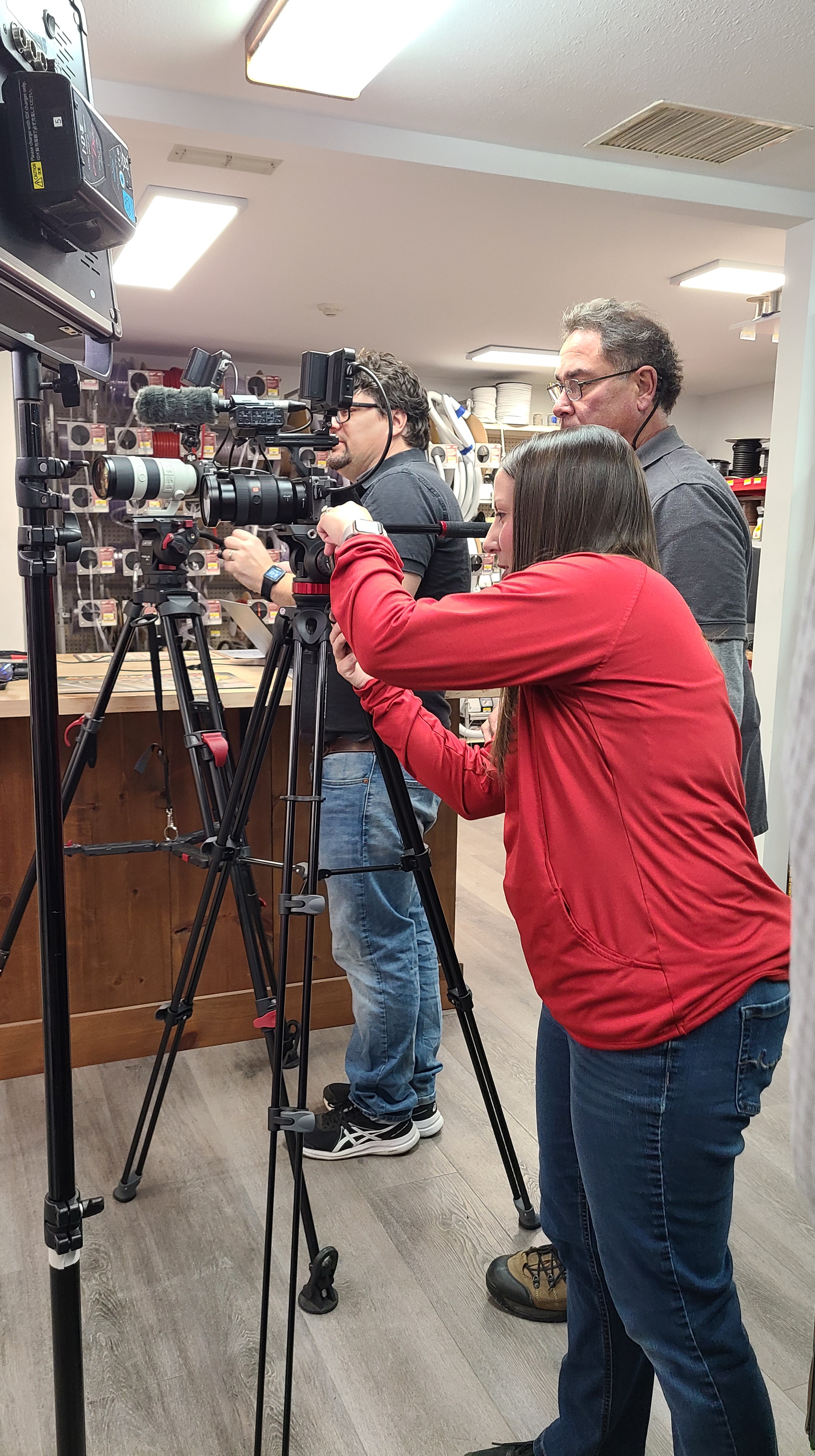
Avoid cramming too many shots into one production day. A well-paced schedule allows the crew to focus on quality rather than rushing through scenes.

1. Define Your Goals and Objectives Clearly

Before the cameras start rolling, it’s essential to have a clear vision of your project. Outline your objectives, target audience, key messages, and intended outcomes. Providing the crew with a well-structured creative brief helps them align their expertise with your vision and make informed decisions about lighting, composition, and shooting styles.

2. Communicate Your Expectations in Advance

A well-organized shoot begins with solid pre-production planning. Share key details with the camera crew ahead of time, including:

  • The type of shots needed (e.g., close-ups, wide angles, drone footage)
  • Preferred shooting locations
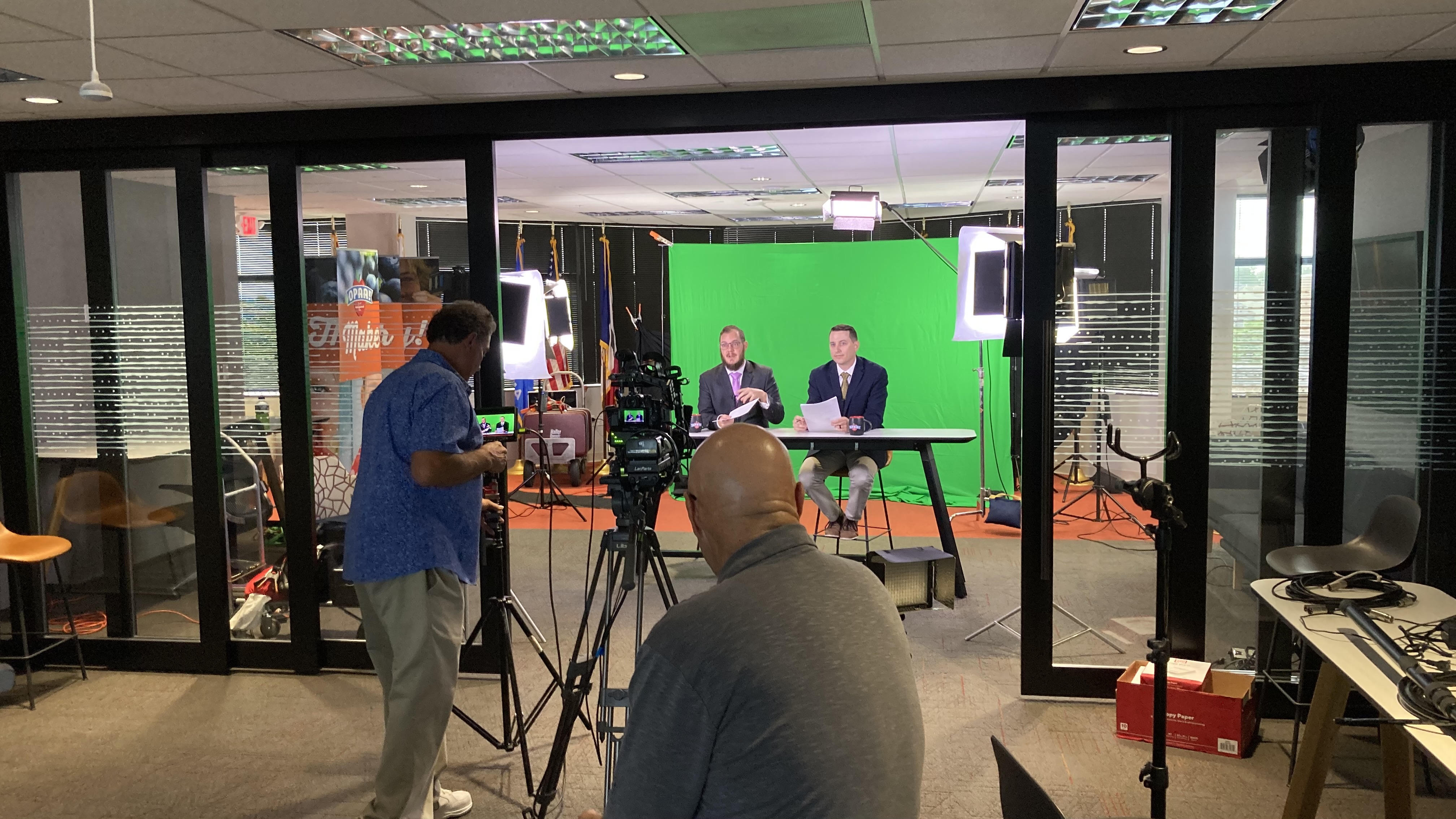
  • Required equipment (e.g., stabilizers, specialized lenses, green screens)
  • The tone and style of the video

Providing this information in advance ensures that the team arrives prepared, reducing delays and optimizing production time.

3. Trust the Crew’s Expertise

A professional camera crew brings a wealth of experience to your production. They understand how to manipulate lighting, angles, and movement to enhance the visual storytelling. While it’s important to communicate your vision, trusting the crew’s expertise allows for creative flexibility and technical precision that can elevate the final product.

4. Plan for Lighting and Sound Considerations

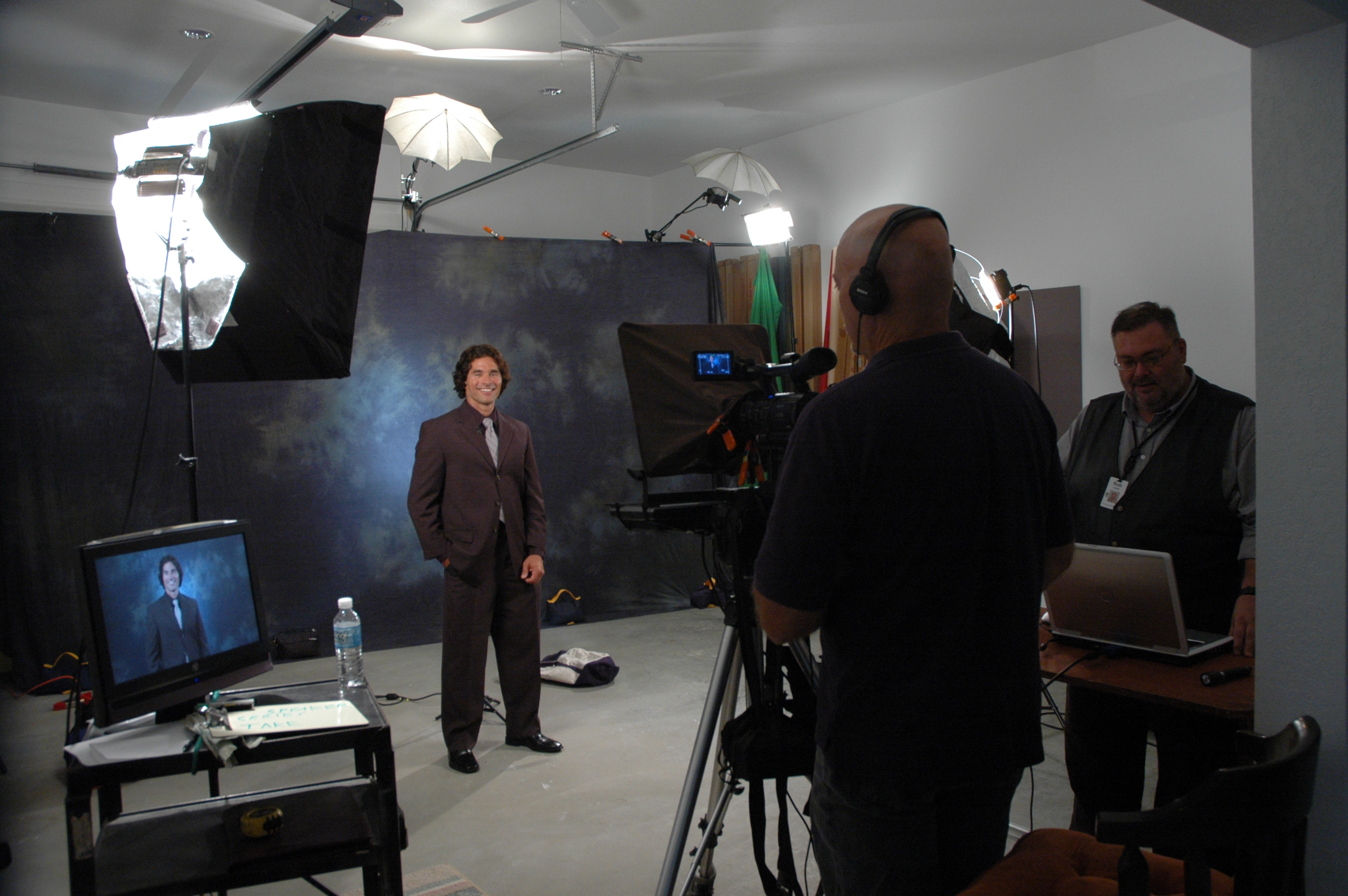
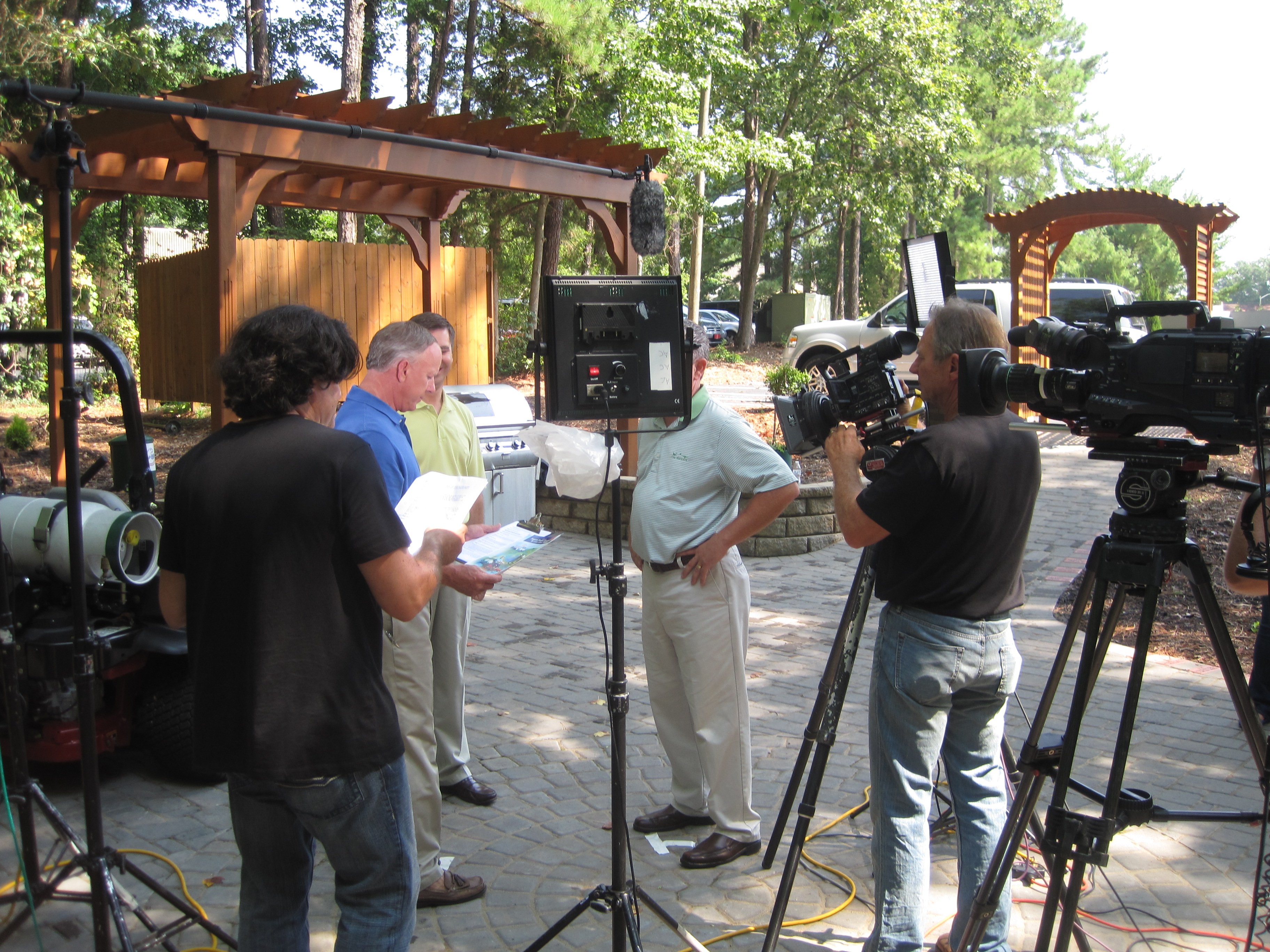
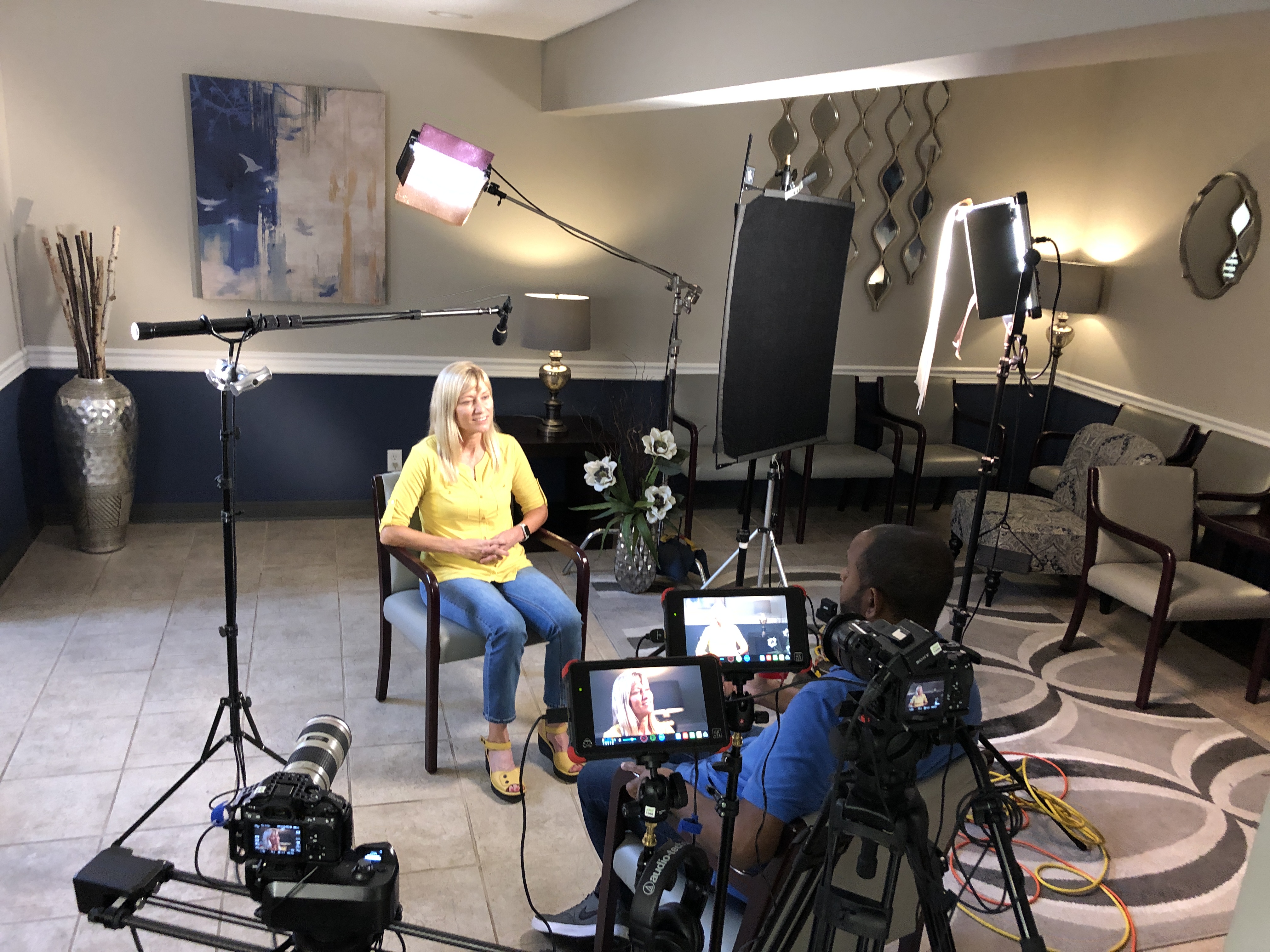
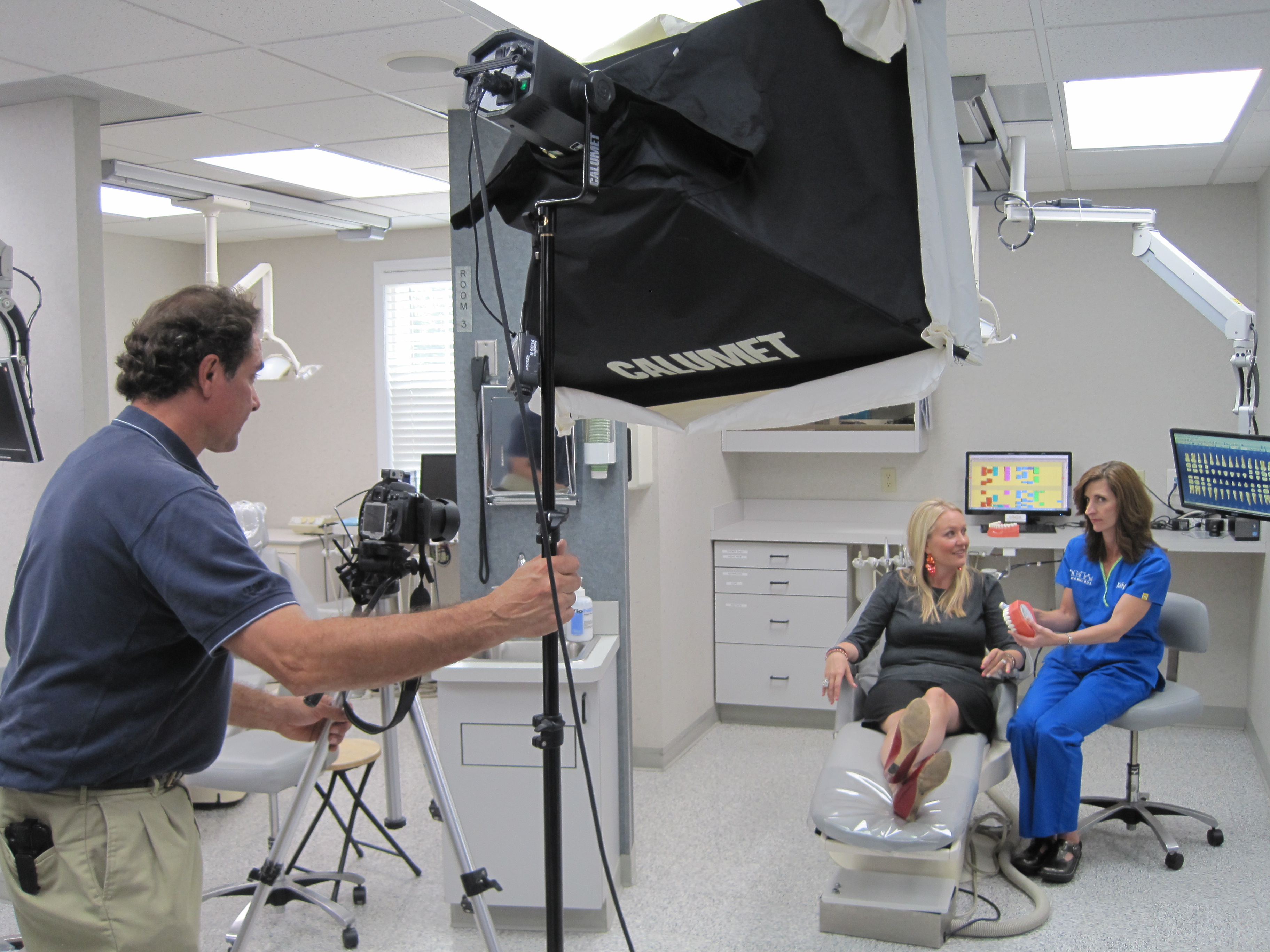
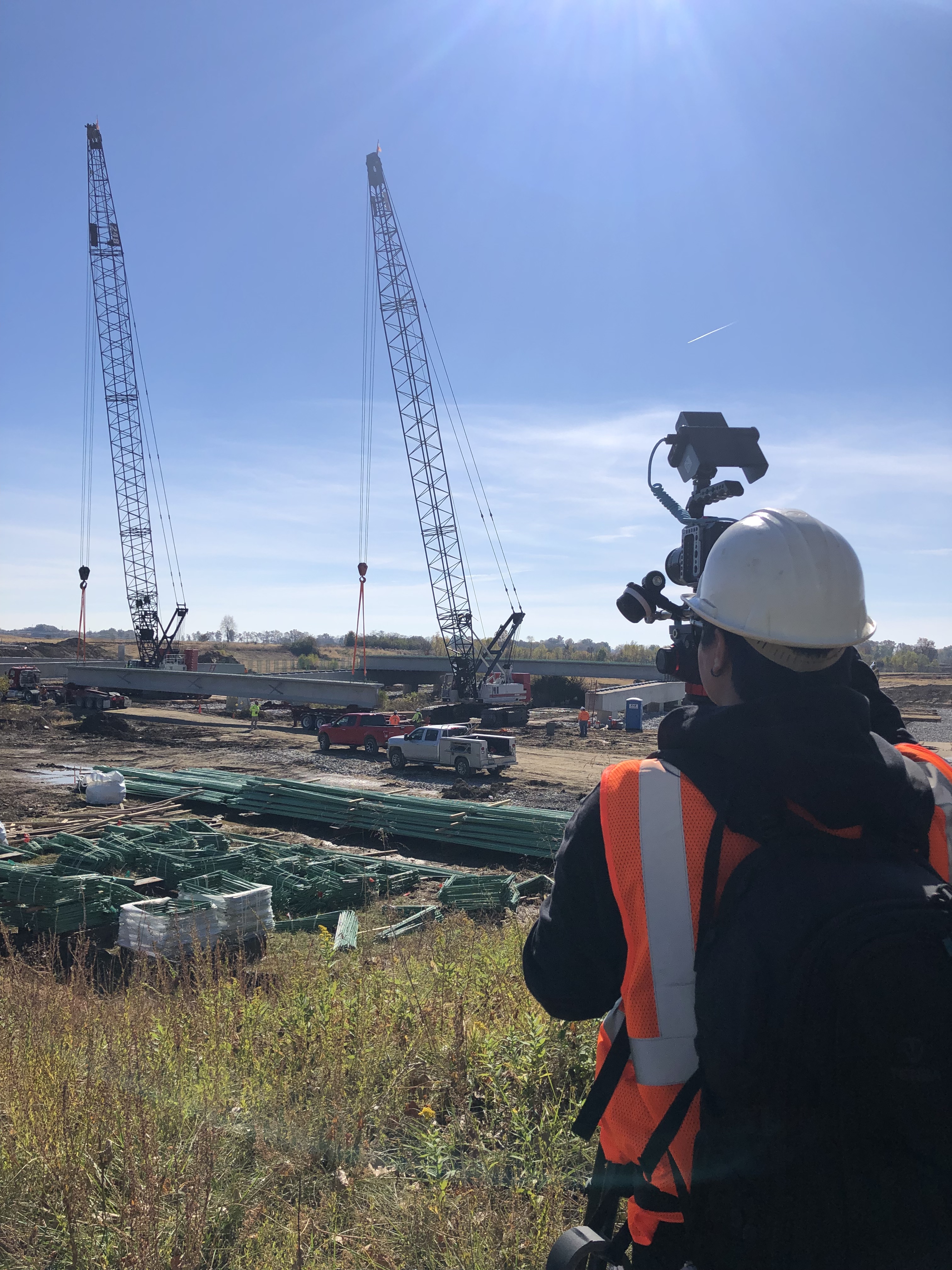
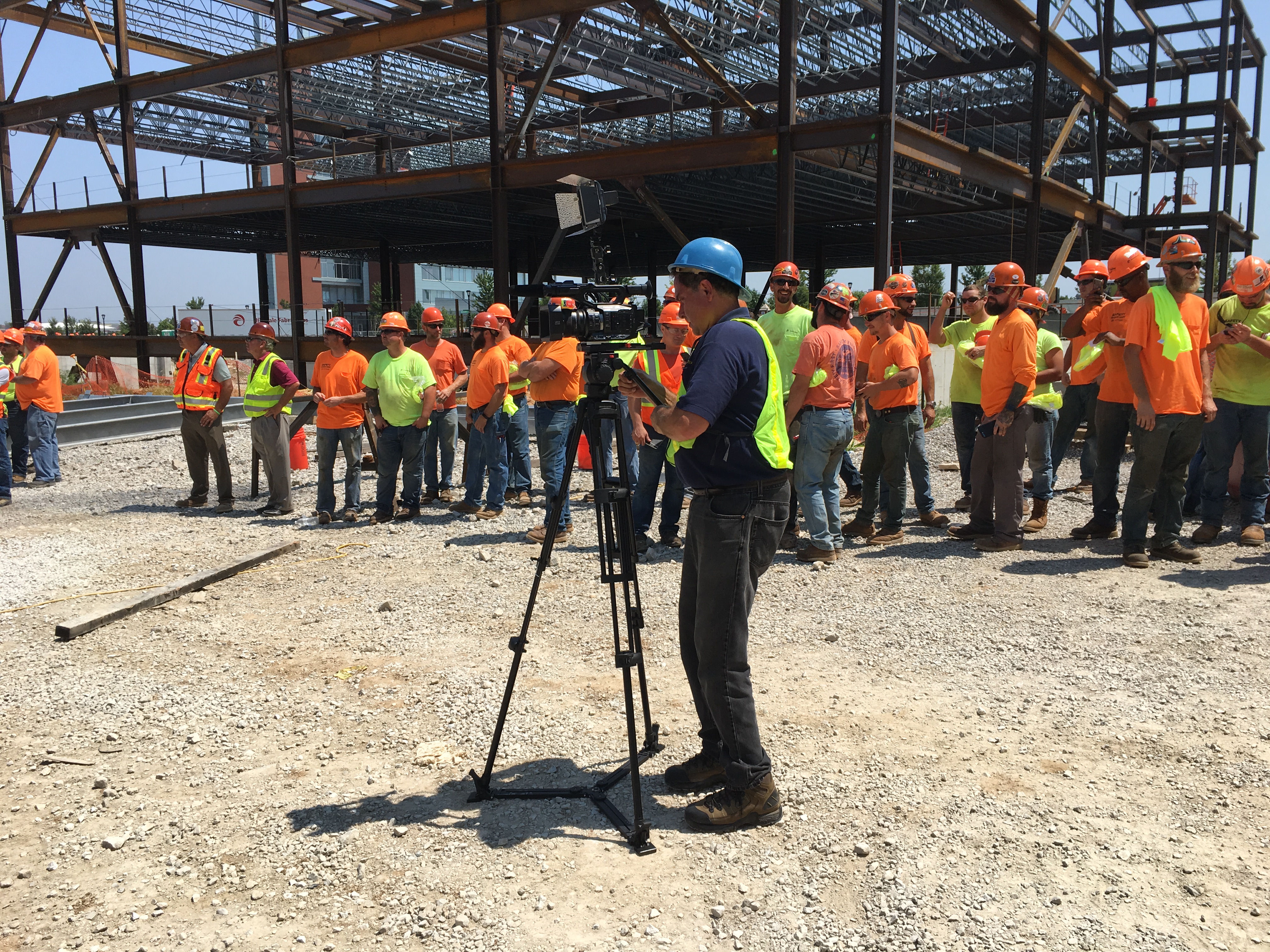
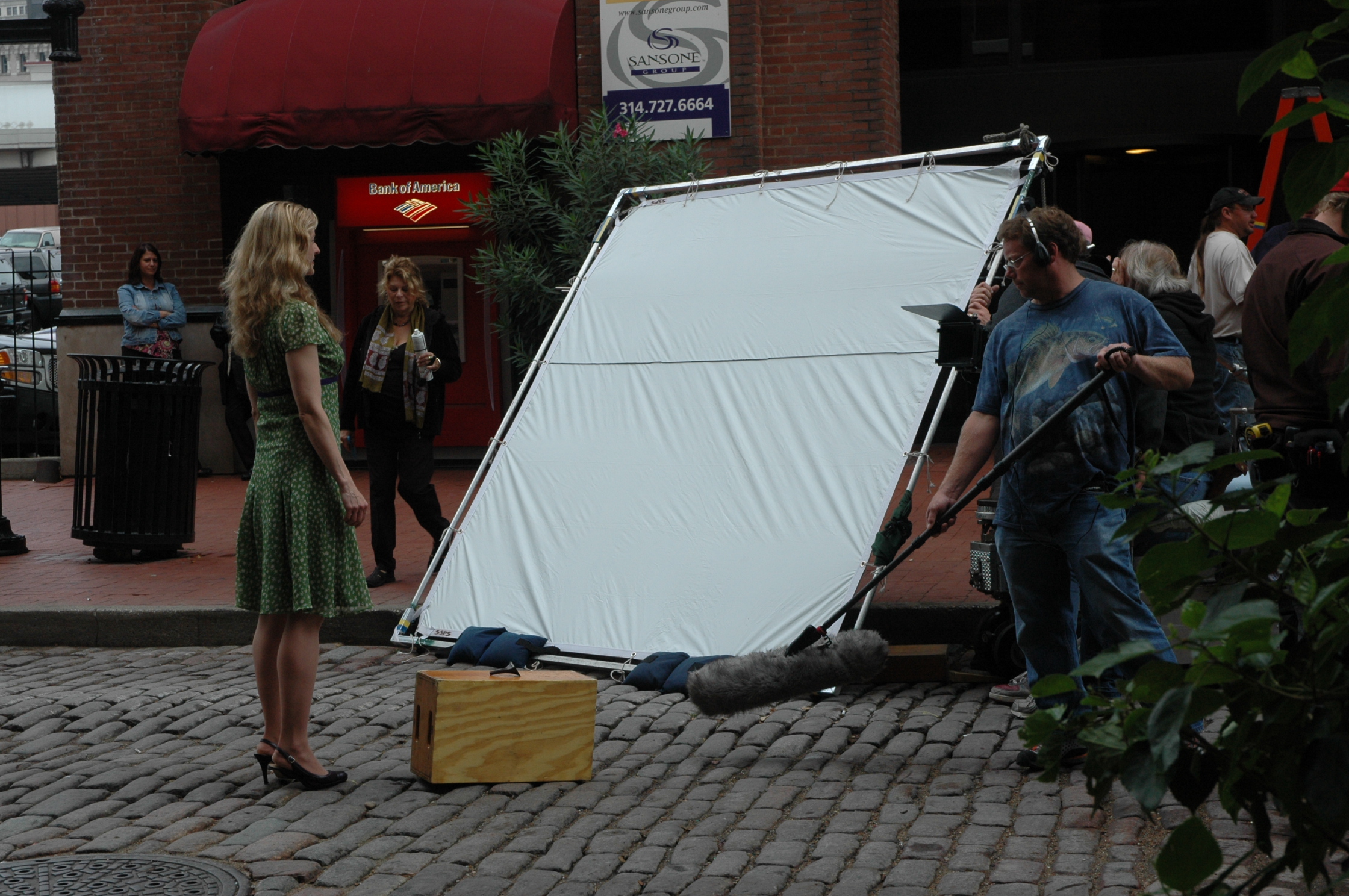
Lighting and sound quality can make or break a video. If you’re shooting indoors, consider the available lighting and whether additional equipment, such as softboxes or reflectors, is necessary. If shooting outdoors, be mindful of natural light conditions and background noise. Your camera crew will have the necessary tools to adjust for these factors, but planning for them in advance helps streamline the process.

5. Keep a Realistic Schedule

Avoid cramming too many shots into one production day. A well-paced schedule allows the crew to focus on quality rather than rushing through scenes. Consider the time needed for:

  • Setting up and adjusting equipment
  • Multiple takes for perfect shots
  • Sound and lighting modifications
  • Unexpected challenges like weather changes or technical adjustments

A flexible yet structured schedule leads to a more productive and efficient shoot.

6. Be Open to Direction and Collaboration

A great video is the result of teamwork. While you may have a specific vision in mind, be open to suggestions from the camera crew. They can offer insights on framing, pacing, and shot composition that you may not have considered. Collaborating effectively ensures a visually compelling and professional final product.

7. Ensure a Comfortable Environment for On-Camera Talent

If your production involves interviews or speaking roles, helping your talent feel comfortable on camera is key. Encourage a relaxed atmosphere by providing:

  • A clear briefing on what to expect
  • Adequate rehearsal time
  • A distraction-free environment
  • Encouragement and positive reinforcement

Your camera crew can also provide tips to help subjects appear more natural on screen, leading to more engaging and authentic footage.

8. Understand Post-Production Needs

Once the shoot is complete, the footage will go into editing. Having a clear plan for post-production can save time and improve workflow. Discuss elements like:

  • Desired video length
  • Graphics, animations, or overlays
  • Music and sound design
  • File formats and distribution needs

Your camera crew and editing team can tailor the post-production process to align with your goals, ensuring a polished and professional end result.

Why Choose St. Louis Camera Crew?

At St. Louis Camera Crew, we are more than just a team with cameras—we are a full-service professional commercial photography and video production company dedicated to bringing your vision to life. Our experienced crew, top-tier equipment, and creative approach ensure successful image acquisition in any setting.

We offer studio and location video and photography services, expert editing, post-production, and licensed drone pilots for high-quality aerial footage. Our private studio lighting and visual setups are ideal for small productions and interview scenes, with ample space for custom sets and props. Whether you need a custom interview studio setup, sound and camera operators, or specialized drone operations—including indoor drone flying—our team has the skills and tools to make your next video production seamless.

Since 1982, St. Louis Camera Crew has been the trusted partner of businesses, marketing firms, and creative agencies in the St. Louis area, delivering high-impact visual content tailored to diverse media requirements. We specialize in repurposing photography and video branding to maximize audience engagement and marketing traction.

From pre-production planning to final edits, our full-service approach ensures that your video production meets the highest professional standards. Let us help you craft compelling visuals that leave a lasting impression—contact St. Louis Camera Crew today!

314-913-5626

stlouiscameracrew@gmail.com

Tips for Writing a Script That Engages Your Viewers: A Guide for Effective Corporate Video Production

Creating a compelling corporate video begins long before the cameras start rolling. One of the most essential aspects of video production is writing a script that captivates and engages your audience from start to finish. Whether you’re showcasing a product, sharing customer testimonials, or telling your brand’s story, a well-crafted script can make all the difference in how your message resonates with your viewers.

When writing your script, include cues for what should be seen on screen at any given moment. Whether it’s B-roll footage, close-ups, or text overlays, visual cues will help the production team understand the vision and ensure your message is conveyed clearly.

In this guide, we’ll walk you through the key steps to writing an effective and engaging script that not only captivates your audience but also drives the action you want them to take. From structure to tone, these tips will help you produce a script that communicates your message clearly, creatively, and effectively.

1. Understand Your Audience

Before you put pen to paper, take the time to understand your target audience. The tone, language, and messaging of your video will vary depending on whether you’re addressing executives, employees, potential clients, or the general public. Knowing your audience allows you to tailor the script to their specific needs, pain points, and interests, which will ultimately help in keeping them engaged throughout the video.

2. Define Your Goal

Every video should have a clear objective. Are you trying to generate leads? Increase brand awareness? Educate your audience about a new product? Defining your goal upfront helps keep the script focused and ensures that every scene and dialogue contributes to the ultimate purpose. Whether it’s informing, persuading, or entertaining, keep your goal in mind as you draft the script.

3. Hook Your Audience Early

The first 10-20 seconds of your video are crucial in grabbing your viewers’ attention. Start strong with a compelling hook—whether it’s an intriguing question, a surprising statistic, or an emotional appeal. A strong opening will motivate your audience to stay engaged and continue watching.

4. Create a Strong Structure

A clear structure is vital for keeping your viewers on track. A good script follows a logical progression that includes:

  • Introduction: Briefly introduce the topic and establish relevance.
  • Problem or Need: Present the problem your audience faces or the need your product/service solves.
  • Solution: Showcase how your brand, product, or service can address that problem or need.
  • Call to Action: End with a strong and clear call to action that guides viewers toward the next step.

The structure should build momentum, with each part leading seamlessly into the next. Keeping the flow natural helps maintain the viewer’s attention and ensures they understand your message.

5. Focus on Conciseness and Clarity

While storytelling can be powerful, it’s important not to overcomplicate your script. Corporate videos, especially those used for marketing or training purposes, need to be direct and to the point. Avoid jargon and keep sentences short and simple. Viewers tend to lose interest if they feel like the message is being overexplained. Your script should deliver its message clearly without excessive fluff or filler.

6. Incorporate a Consistent Brand Voice

Your video should reflect your brand’s personality, whether it’s professional, friendly, humorous, or authoritative. Maintaining a consistent voice throughout the script will help reinforce your brand’s identity. Make sure the language, tone, and pacing reflect the culture of your company while still being appropriate for your target audience.

7. Engage Emotionally

One of the most powerful ways to engage viewers is through emotion. Whether you’re telling a customer’s success story or showcasing your company’s mission, connecting emotionally with your audience will make the message more memorable. People remember how you make them feel, and emotional connections often translate into action.

8. Include Visual Cues

Remember, a script is not just for the voiceover or on-screen text—it’s a blueprint for the visuals as well. When writing your script, include cues for what should be seen on screen at any given moment. Whether it’s B-roll footage, close-ups, or text overlays, visual cues will help the production team understand the vision and ensure your message is conveyed clearly.

9. Edit and Refine

Once you’ve completed the first draft, step back and review your script. Are there any areas where you could simplify or clarify the message? Could certain scenes be condensed to keep the video more engaging? It’s important to refine your script by removing unnecessary content and tightening up the language. A great script is often the result of several revisions.

10. Test Your Script

Before moving on to production, test your script with a small audience. This could be a group of colleagues or a trusted client. Gather feedback and see how they respond to the messaging, pacing, and tone. Use this feedback to make any final adjustments to ensure the script resonates with your broader audience.

How St Louis Camera Crew Can Help

At St Louis Camera Crew, we are a full-service professional commercial photography and video production company with years of experience in crafting high-quality, engaging videos. Our team of skilled professionals offers expert guidance and execution throughout every stage of your production—from script writing and planning to filming and post-production.

Whether you need a custom video for internal training, marketing, or a special event, we have the right equipment and creative crew to bring your vision to life. We offer full-service studio and location video and photography, complete with editing, post-production, and licensed drone pilots to provide stunning aerial shots for your projects.

Our private studio features customizable lighting and visual setups that are perfect for small productions, interviews, and shoots that require precise control. Plus, our team can fly specialized drones indoors to capture breathtaking footage from unique angles. No matter the scale or complexity of your project, we provide everything you need, from sound and camera operators to equipment and set design, to make your video production a success.

Since 1982, St Louis Camera Crew has worked with a wide range of businesses, marketing firms, and agencies in the St. Louis area, helping them repurpose their photography and video branding to gain more traction. We are well-versed in all file types and media styles, and our extensive experience ensures that your project will be tailored to meet your unique media requirements. Let St Louis Camera Crew help you create engaging corporate videos that leave a lasting impression on your audience.

314-913-5626

stlouiscameracrew@gmail.com

How to Choose the Right Tools for Your Training Videos

Creating an effective training video for your business involves much more than just filming. To ensure your content is engaging, clear, and professional, selecting the right tools is crucial. These tools help you capture high-quality visuals and sound, ensure smooth editing, and enhance the overall experience for your viewers. Whether you’re producing onboarding material, product tutorials, or technical training, the tools you choose will directly impact the final product. In this post, we’ll provide expert advice on how to choose the right tools for your training videos, ensuring your production meets the highest standards.

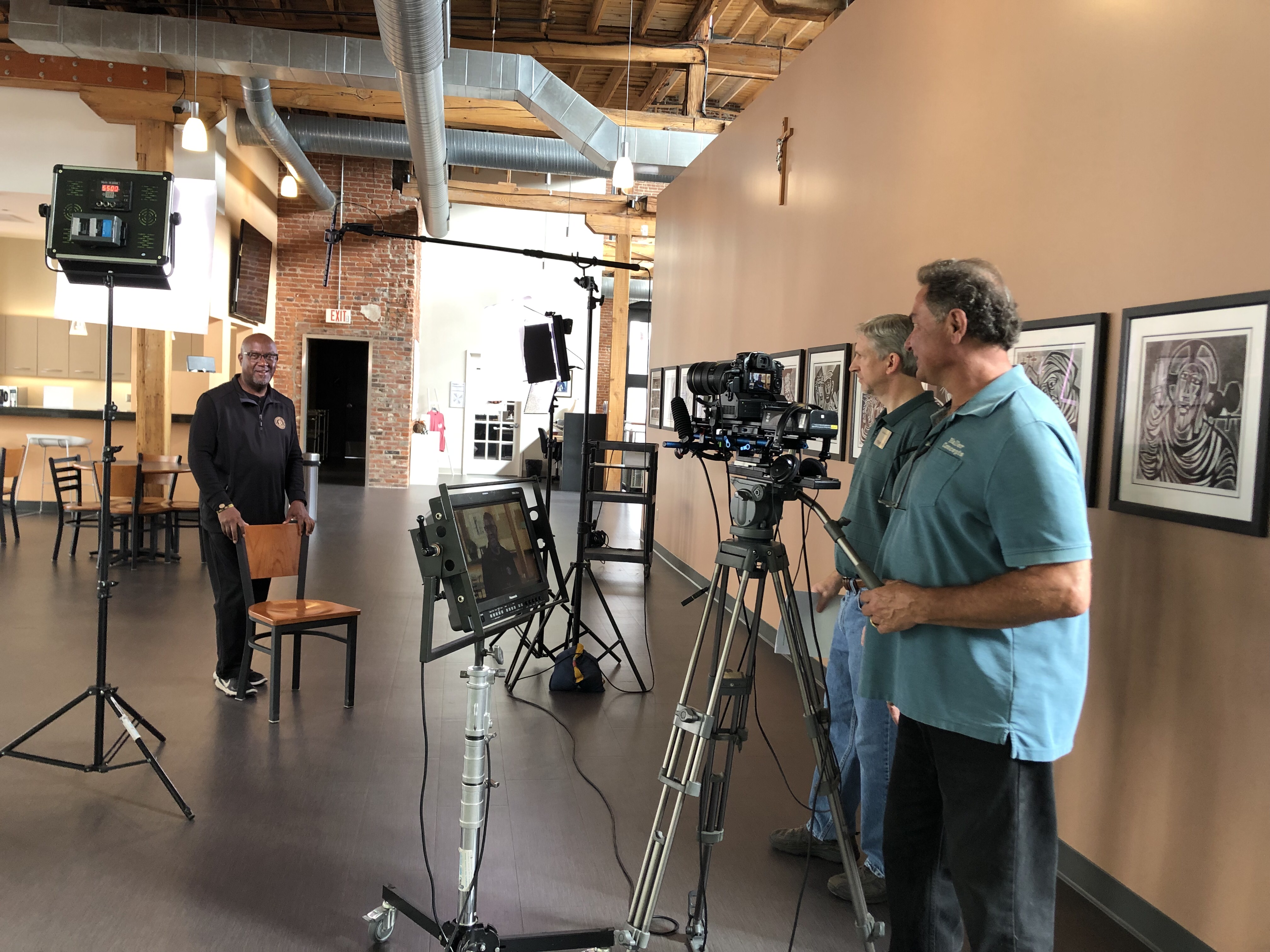
If you’re recording a one-on-one interview or demonstration, you’ll want a soft and flattering lighting setup to highlight the speaker.

1. Camera Equipment: Finding the Right Fit for Your Training Video

The heart of any video production is the camera, but selecting the right one depends on several factors, including the type of content, the environment, and the level of detail you need. Here’s what to consider:

  • Resolution: For most corporate videos, shooting in at least 1080p HD resolution is standard. However, for content that requires a higher level of detail (like product demonstrations or instructional videos), shooting in 4K might be a better choice.
  • Frame Rate: For typical training videos, shooting at 24 or 30 frames per second (fps) provides a natural, cinematic look. If you’re planning to include slow-motion footage (e.g., demonstrating a complex process), you may need cameras that can handle higher frame rates such as 60 fps or more.
  • Lenses: The lens you choose will determine the depth and feel of the video. A standard lens (50mm) is ideal for general shooting, while a wide-angle lens is great for larger group settings or capturing a broader context.

2. Audio: Clear Sound is Essential

While video quality is important, audio is equally, if not more, crucial. Poor sound quality can distract viewers and reduce the professionalism of your training video. Here are key audio tools to consider:

  • Microphones: Lavalier microphones are ideal for capturing clean audio from individual speakers, especially in interviews or tutorials. For more dynamic audio capture, shotgun microphones are perfect for focusing on specific sounds or voices.
  • Audio Recorders: Even with built-in camera microphones, investing in an external audio recorder will improve the overall sound quality, especially in noisy environments or for multi-person interviews.
  • Soundproofing: In some cases, soundproofing your recording environment is a wise choice, especially for small, quiet settings like an office or studio. Minimizing background noise ensures the primary audio is the focus.

3. Lighting: Setting the Mood and Focus

Proper lighting is critical for ensuring your training video looks professional and engaging. Poor lighting can cause shadows, make faces look flat, or make the video look unpolished. Here’s how to set up your lighting for success:

  • Three-Point Lighting: This is the most common lighting setup for video production and includes a key light, fill light, and backlight. The key light provides the main source of light, the fill light softens shadows, and the backlight separates the subject from the background.
  • Lighting for Interviews: If you’re recording a one-on-one interview or demonstration, you’ll want a soft and flattering lighting setup to highlight the speaker. Softbox lights are a great choice for this.
  • Adjustable Lighting: Invest in lights that can be adjusted in intensity and color temperature. This flexibility helps you create the perfect ambiance for different scenes, whether you’re aiming for a natural or dramatic look.

4. Editing Software: Post-Production Excellence

Once your footage is captured, the right editing software is essential for fine-tuning and assembling your video. Editing lets you polish your content, adjust sound, add graphics, and insert text. Here are some top tools used in professional video production:

  • Adobe Premiere Pro: This industry-standard software provides extensive editing tools, including timeline editing, color correction, and audio syncing.
  • Final Cut Pro: A great option for Mac users, Final Cut Pro offers powerful editing features along with a user-friendly interface.
  • DaVinci Resolve: If you need advanced color grading, DaVinci Resolve offers exceptional tools to enhance your visuals.

Editing also allows you to add closed captions, annotations, and visual aids that can enhance the learning experience for your viewers.

5. Drone Technology: Aerial Shots for Added Impact

Sometimes, training videos benefit from aerial shots to provide unique perspectives or showcase a product or facility. Drones can offer sweeping visuals or highlight large-scale operations in a way that traditional cameras cannot. Consider these factors when choosing drone technology:

  • Flight Capability: Ensure your drone has the stability and range you need for indoor or outdoor use.
  • Camera Quality: Modern drones can shoot in 4K, providing high-resolution footage for crisp and clear visuals.
  • Indoor Flight: Certain drones are specifically designed for indoor flight, which can be helpful if your video includes footage of training scenarios in enclosed spaces like classrooms or factories.

6. Video Collaboration Tools: Working with Teams

If your training video production involves multiple team members—whether from different departments or external agencies—using collaborative tools for real-time feedback and tracking progress is essential. Consider using platforms such as:

  • Frame.io: A cloud-based tool that allows team members to review and leave comments directly on the video timeline.
  • Google Drive or Dropbox: For sharing large video files and assets securely.
  • Trello or Asana: These project management tools help keep everyone on track, ensuring deadlines are met and communication is clear.

7. Studio Setup: Customizing the Environment

Your production environment plays a huge role in the success of your training video. Having a studio set up with the proper equipment, props, and space for interviews or demonstrations is key to creating a professional-looking video.

  • Studio Lighting: For small-scale productions, private custom lighting setups are essential for getting the right look. Our studio at St Louis Camera Crew offers an ideal environment for such setups.
  • Props and Backgrounds: If your training video involves product demonstrations or need background variety, having the right props and set pieces will elevate your video’s visual appeal.
  • Camera Operators and Crew: Having a skilled team on set to manage the cameras, lighting, and audio ensures the production goes smoothly. At St Louis Camera Crew, our experienced crew can help with every part of the production.

Why St Louis Camera Crew Is Your Go-To Partner for Video Production

At St Louis Camera Crew, we pride ourselves on offering comprehensive video and photography services for businesses, marketing firms, and agencies. With over 40 years of experience, we have the right equipment and creative expertise to ensure your training video or any corporate production is executed to perfection.

We specialize in both studio and location video and photography, with a focus on custom setups for interviews, sound, and camera operators. Our private studio is designed to accommodate small productions, and our team can assist with everything from creating a custom interview set to flying drones indoors for stunning aerial shots. We also offer editing, post-production services, and can repurpose your photography and video branding to maximize its impact across different platforms.

Since 1982, St Louis Camera Crew has built a reputation for delivering high-quality video and photography services tailored to our clients’ specific needs. Let us help you choose the right tools for your training videos and ensure your production is a resounding success.

314-913-5626

stlouiscameracrew@gmail.com

The Best Types of B-Roll for Different Interview Styles: A Comprehensive Guide for Successful Corporate Video Production

In the world of corporate video production, interviews are often the backbone of storytelling. Whether you’re creating a promotional video, a customer testimonial, or an internal company documentary, the power of a well-executed interview cannot be overstated. However, to ensure that your video engages your audience and looks professional, it’s essential to pair these interviews with high-quality B-roll footage. B-roll enhances your story, keeps the audience visually engaged, and provides context to the words being spoken. But with so many types of B-roll to choose from, how do you know which one best suits your interview style?

If the subject is discussing a significant event or moment in their life, B-roll can provide additional context—such as showing where an event took place, interviews with other people involved, or related locations.

In this blog post, we will explore the best types of B-roll for various interview styles, along with some tips for maximizing the effectiveness of this essential footage.

1. The Traditional One-on-One Interview

For a straightforward one-on-one interview, where the interviewee speaks directly to the camera or to an interviewer just off-camera, the key to effective B-roll is to capture the context of what is being discussed. This allows your audience to connect the visual elements with the narrative, making the message more relatable.

Best Types of B-Roll:

  • Cutaway shots of the environment: Show the setting or location where the interview is happening. If the interview is taking place in an office, capture shots of people working, papers on desks, or close-ups of important documents.
  • Action shots: If the interviewee is discussing a specific product or service, shoot B-roll of the product in use or in action. This reinforces the spoken message visually.
  • Over-the-shoulder shots: Capture the perspective of the interviewer or the subject’s reaction to the conversation. This adds depth and perspective to the interview, offering a different viewpoint.

2. Customer Testimonials

Customer testimonials provide powerful insights into the impact of your products or services. In these interviews, the customer speaks from their own experience, which is relatable for potential buyers.

Best Types of B-Roll:

  • Lifestyle shots: Show the customer using your product or service in a natural, real-world environment. This helps build authenticity and trust with the audience.
  • Before-and-after comparisons: If your product or service brings about a change, whether tangible or intangible, show the difference it made. This could be as simple as a customer using the product before and after.
  • Product-focused B-roll: Capture close-up shots of the product in use, focusing on its features and benefits as the customer describes their experience.

3. Corporate Culture and Employee Interviews

When producing a video that showcases your company’s culture or features employee interviews, it’s important to convey the energy, environment, and values of your organization.

Best Types of B-Roll:

  • Office/Workspace B-roll: Show your team in action—whether they’re collaborating in meetings, brainstorming ideas, or using equipment and technology. These shots help portray your company’s dynamic work culture.
  • Employee interactions: Show employees interacting with each other or engaging in meaningful work. Capturing candid moments helps humanize the company and provides a window into its culture.
  • Branding shots: If the employee is talking about company values, show B-roll that reinforces the company’s mission and visual branding, such as logo shots, company slogans, or even branded merchandise.

4. Documentary-Style Interviews

Documentary-style interviews often dive deep into personal stories, significant events, or complex ideas. These interviews benefit from B-roll that tells a visual story that complements the subject’s words.

Best Types of B-Roll:

  • Archival or historical footage: If discussing a past event or important milestone, historical photos or video clips can help illustrate the story.
  • Emotional and intimate shots: For personal or emotional interviews, capture B-roll that reflects the feelings expressed in the interview. This might include thoughtful close-ups, candid moments, or even environmental shots that evoke a particular mood.
  • Situational B-roll: If the subject is discussing a significant event or moment in their life, B-roll can provide additional context—such as showing where an event took place, interviews with other people involved, or related locations.

5. Panel or Roundtable Discussions

In panel-style interviews, where multiple people discuss a topic, the B-roll needs to capture the diverse range of voices and ideas being shared. It also helps to highlight moments of connection between the speakers or audience reactions.

Best Types of B-Roll:

  • Reaction shots: Capture the reactions of the audience, whether they’re nodding, taking notes, or engaged in the discussion. This gives a sense of the audience’s connection to the conversation.
  • Wide shots of the panel: Capture the entire panel in action. This will set the scene and show the dynamics between the panelists.
  • Close-ups of individual speakers: Get intimate close-ups of the panelists while they speak to emphasize their role in the conversation.

6. Product Demonstrations

When showcasing a product, the primary goal of the B-roll is to highlight its functionality and benefits. Product demos require clean and clear footage that complements the explanation given in the interview.

Best Types of B-Roll:

  • Close-ups of the product in use: Whether it’s a new technology or a physical product, detailed shots of the product in action help provide clarity and focus.
  • Step-by-step demonstrations: If the product requires a sequence of actions to use, show these steps clearly in your B-roll footage.
  • Creative product shots: Show the product from different angles or with special lighting to highlight its design and features.

How St. Louis Camera Crew Can Help You Get the Perfect B-Roll

At St. Louis Camera Crew, we understand the importance of B-roll in enhancing your video production. As a full-service professional commercial photography and video production company, we offer the right equipment and creative expertise to capture the ideal B-roll that complements your interviews and corporate messaging. Whether you need studio or location video and photography, editing, post-production, or licensed drone pilots, our team has the experience to execute your vision.

With our private studio lighting and visual setups, we can customize the perfect environment for small productions and interview scenes. Our studio space is also large enough to incorporate props to round out your set, adding an extra layer of creativity to your shoot. From custom interview studio setups to providing sound and camera operators, we ensure every part of your production is executed flawlessly.

We are well-versed in all types of media files, styles, and accompanying software, and we specialize in repurposing your video and photo content to gain more traction across multiple platforms. Our expertise in flying specialized drones indoors allows us to capture unique aerial shots that add depth and interest to your B-roll.

Since 1982, St. Louis Camera Crew has been serving businesses, marketing firms, and agencies across the St. Louis area. Let us help you take your video production to the next level with professional B-roll that brings your interview to life. Contact us today to discuss your upcoming project.

314-913-5626

stlouiscameracrew@gmail.com

Why Location Scouting is Crucial for Your Video Production

In the world of video production, the phrase “location, location, location” resonates just as it does in real estate. The setting where your video is filmed can dramatically impact the final product’s aesthetic, narrative, and overall effectiveness. As decision makers in photography and video production, understanding the importance of location scouting can lead to more successful projects and a significant return on investment.

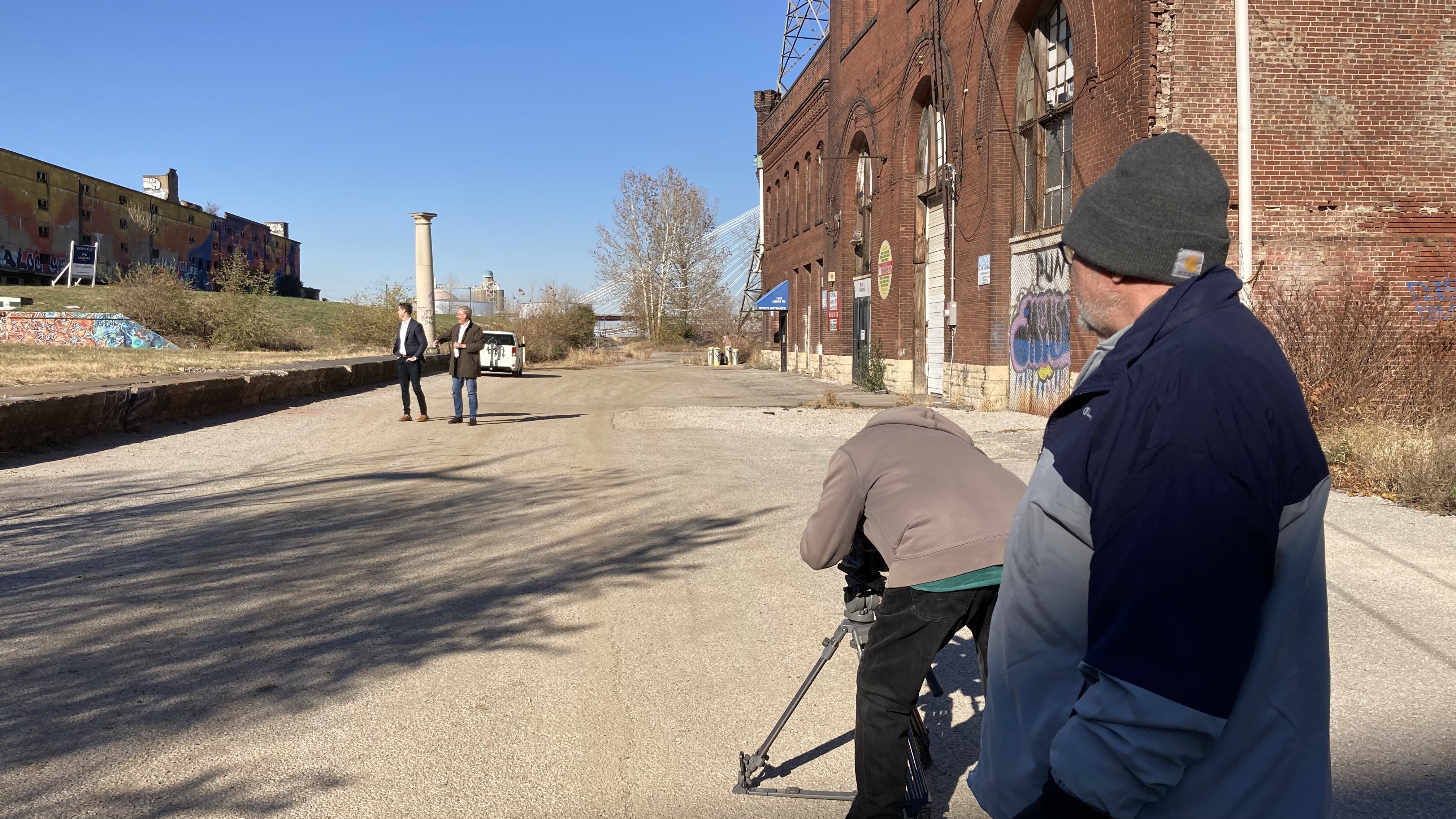
By collaborating closely with directors and producers, location scouts can present options that align with the project’s aesthetic and narrative goals.

The Importance of Location Scouting

1. Enhances Storytelling

Every location carries its unique character and atmosphere, which can enhance the storytelling aspect of your video. Whether you’re capturing the hustle and bustle of a cityscape or the tranquil beauty of a nature setting, the location sets the mood. Thoughtfully chosen locations help convey emotions and themes, making the narrative more engaging for viewers.

2. Increases Production Value

High-quality locations can elevate the production value of your video. Professional-grade settings can create a polished look, making your content stand out. Well-scouted locations often eliminate the need for extensive set design or costly alterations, saving time and resources while ensuring the visuals are compelling.

3. Ensures Accessibility and Compliance

When scouting locations, it’s crucial to consider logistical factors such as accessibility for crew and equipment. Identifying potential challenges, such as parking restrictions or permit requirements, can help prevent delays and ensure smooth operations during filming. Additionally, understanding local regulations can save you from legal complications down the road.

4. Offers Creative Opportunities

A well-executed location scout can reveal hidden gems that inspire creativity. Unique venues can offer fresh perspectives and unexpected angles, enhancing the overall visual storytelling. Locations with distinct architecture, natural landscapes, or vibrant urban environments can provide a rich backdrop that elevates the production.

5. Tailored to Your Vision

Every project has specific requirements, and location scouting allows you to find the perfect match for your vision. By collaborating closely with directors and producers, location scouts can present options that align with the project’s aesthetic and narrative goals. This personalized approach ensures that every aspect of the production supports the intended message.

How St. Louis Camera Crew Excels in Location Scouting

At St. Louis Camera Crew, we understand that successful video production hinges on meticulous planning and execution. Our experienced location scouts are adept at identifying sites that meet your unique production needs while considering factors such as lighting, sound, and composition.

With over 40 years in the industry, we have cultivated strong relationships with local businesses, venues, and municipalities, enabling us to secure prime locations efficiently. Our extensive library of potential shooting sites includes homes, businesses, schools, restaurants, and hospitals, providing a wealth of options for your project.

Full-Service Video and Photography Production

St. Louis Camera Crew is not just about location scouting; we are a full-service professional commercial photography and video production company. Our skilled crew and advanced equipment are tailored for successful image acquisition, ensuring your production runs seamlessly from start to finish.

We offer a wide array of services, including:

  • Studio and Location Video and Photography: We can customize your productions to fit diverse media requirements, whether shooting in our private studio or on location.
  • Editing and Post-Production: Our post-production team ensures that your video is polished and professional, enhancing the final product with the latest editing techniques.
  • Licensed Drone Pilots: Our specialized drones can capture stunning aerial footage, even indoors, adding a dynamic element to your video.
  • Custom Interview Studio Setups: We provide everything from sound and camera operators to equipment, ensuring that every detail is covered for your production.
  • Repurposing Photography and Video Branding: We specialize in repurposing your existing content to gain more traction and enhance your brand’s visibility.

Our private studio features sophisticated lighting and visual setups, making it perfect for small productions and interviews. With ample space to incorporate props, we can help create the ideal environment for your shoot.

Conclusion

In conclusion, location scouting is a critical component of successful video production that directly impacts storytelling, production value, and overall project execution. At St. Louis Camera Crew, our extensive experience, expert location scouts, and comprehensive range of services make us the ideal partner for your next project. Trust us to handle every aspect of your production, ensuring that your vision is realized with the utmost professionalism and creativity. Contact us today to discuss how we can bring your next video project to life.

314-913-5626

stlouiscameracrew@gmail.com

Camera Crew FAQs

When it comes to professional video production, hiring an experienced camera crew can be the difference between a good project and an outstanding one. For businesses and organizations looking to create impactful content in St. Louis, having a knowledgeable and skilled crew is essential to capturing the right visuals, sound, and energy to represent your brand. In this blog post, we’ll answer some of the most common questions decision-makers ask about hiring a camera crew and explain why making the right choice can significantly enhance the quality of your video production.

St Louis Camera Crew is equipped with state-of-the-art cameras, drones for aerial shots, and specialized gear to accommodate all production needs.

1. What Does a Camera Crew Do?

A camera crew is responsible for handling the technical aspects of video production, ensuring that every shot is properly framed, lit, and captured according to the creative vision of the project. They operate the camera, set up the necessary lighting, manage sound equipment, and ensure smooth movement during filming, whether it’s handheld shots, tripod setups, or drone footage. A professional camera crew works hand-in-hand with directors, producers, and clients to bring a story to life visually and audibly.

At St Louis Camera Crew, our experienced team is highly skilled in all types of video production settings, whether on location or in a studio. We handle everything from corporate interviews to full-scale commercial shoots.

2. Why is Experience Important for a Camera Crew?

Video production is an intricate process that requires not only creativity but also technical expertise and problem-solving abilities. An experienced camera crew can anticipate challenges and adjust quickly, whether it’s adapting to changing light conditions or troubleshooting sound issues on set. They’re familiar with a variety of camera equipment, lighting setups, and filming techniques, and they know how to adjust to the unexpected without compromising quality.

At St Louis Camera Crew, we bring over 40 years of experience to each project. Our seasoned professionals have worked in diverse settings, from corporate offices and outdoor events to small studio productions, ensuring every project runs smoothly from start to finish.

3. What Type of Equipment Should a Camera Crew Have?

Professional video production requires more than just a camera. High-quality lenses, specialized lighting, sound recording equipment, stabilizers, and drones are all part of a comprehensive production setup. The right camera crew should have access to a full range of equipment to ensure they can meet the technical demands of any project.

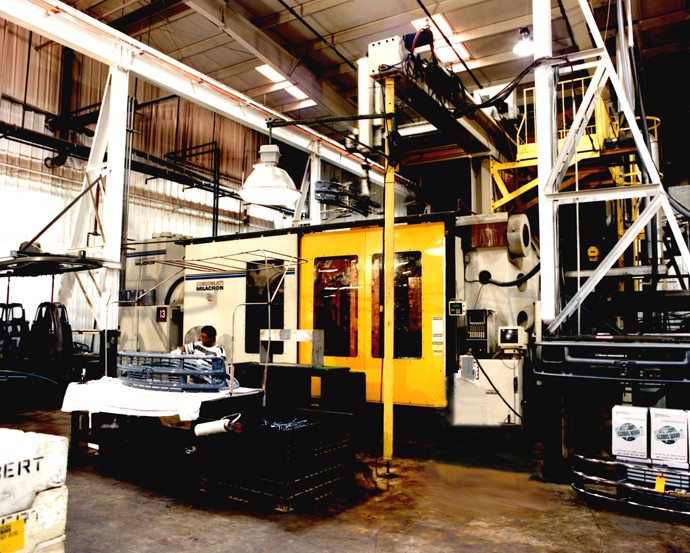
St Louis Camera Crew is equipped with state-of-the-art cameras, drones for aerial shots, and specialized gear to accommodate all production needs. From studio setups with precise lighting control to on-location shoots requiring mobile equipment, we have everything necessary to ensure professional-grade production quality.

4. How Do Camera Crews Handle Location Challenges?

Every filming location presents unique challenges, whether it’s limited space, variable lighting, or environmental noise. A professional camera crew is skilled in adapting to different environments, working with the available space and resources to get the best possible shot. They can also bring in additional equipment like portable lighting kits, soundproofing tools, or even specialized drones for capturing difficult angles.

At St Louis Camera Crew, we specialize in location shoots and can even provide location scouting services to help you find the perfect setting for your video. Our expertise allows us to navigate the logistical complexities of any shoot, whether it’s indoors or outdoors.

5. How Do You Choose the Right Camera Crew for Your Project?

Choosing the right camera crew for your project comes down to experience, creativity, and the ability to understand your vision. Look for a team that has a strong portfolio, experience in similar projects, and a willingness to collaborate with you to achieve the best results. A crew that communicates well and works efficiently will save you time and ensure that your project stays on budget.

At St Louis Camera Crew, we pride ourselves on our collaborative approach. We work closely with each client to understand their unique needs and tailor our services accordingly. Whether you need a small crew for an intimate interview or a full-scale production team for a commercial shoot, we have the resources and expertise to deliver.

6. Can a Camera Crew Handle Post-Production?

While the camera crew focuses on capturing the footage, post-production is where the magic happens—where raw footage is edited, color corrected, and transformed into a polished final product. Some video production companies, like St Louis Camera Crew, offer full post-production services, including editing, sound design, and special effects, to provide a seamless process from shoot to final delivery.

Why St Louis Camera Crew is the Right Choice

St Louis Camera Crew is more than just a team of camera operators; we are a full-service professional commercial photography and video production company with the expertise and equipment to make your next project a success. We offer studio and location video and photography, as well as editing, post-production, and licensed drone pilots. With our ability to customize productions for a variety of media requirements, we can help you repurpose your photography and video branding for maximum impact.

Our private studio lighting and setup are ideal for small productions and interview scenes, providing an intimate yet professional environment. With over four decades of experience, our team is well-versed in all file types, media styles, and accompanying software, ensuring that your project is handled with the highest level of professionalism. Whether you need sound and camera operators, equipment rentals, or a complete custom interview studio setup, we have the resources to meet your needs.

We even offer specialized indoor drone flying, providing a unique perspective for your video production. Since 1982, St Louis Camera Crew has partnered with businesses, marketing firms, and agencies across the St. Louis area, delivering high-quality corporate photography and video production services.

When you’re ready to take your next project to the next level, trust the experienced team at St Louis Camera Crew to deliver exceptional results every time. Let us handle every aspect of your production, so you can focus on telling your story.

314-913-5626

stlouiscameracrew@gmail.com

A Guide to Shooting Professional Video Interviews and Candid Photography at Events

Whether you’re promoting a product, showcasing an event, or telling your brand’s story, professional video interviews and candid photography are indispensable tools. They offer a dynamic way to engage your audience and leave a lasting impression.

Establish a rapport with your interviewees to make them feel at ease. Encourage natural conversation and active listening to capture authentic responses.

Understanding the Importance

Video interviews and candid photography serve as powerful storytelling mediums. They allow you to convey authenticity, emotion, and depth, which can significantly enhance your brand’s narrative. Additionally, they provide valuable content for various marketing channels, including websites, social media platforms, and promotional materials.

Preparing for the Shoot

1. Storyboarding and Scripting

Before diving into the shoot, it’s essential to plan out your content. Create a storyboard outlining the shots you need and the narrative flow of your video interviews. If scripted, ensure that your questions are clear, concise, and tailored to evoke meaningful responses from your subjects.

2. Location Scouting

Choose a location that aligns with your brand and the tone of your content. Whether it’s a corporate office, event venue, or outdoor setting, consider factors such as lighting, acoustics, and ambiance. Scout the location beforehand to address any logistical challenges and optimize the shooting environment.

3. Equipment Setup

Invest in high-quality equipment to achieve professional results. This includes cameras, lenses, microphones, and lighting gear. Test your equipment prior to the shoot to ensure everything is functioning correctly and make any necessary adjustments based on the shooting environment.

Shooting Techniques

1. Video Interviews

  • Composition: Frame your subjects with care, ensuring they are centered and well-lit. Pay attention to background elements to maintain visual coherence.
  • Interviewee Comfort: Establish a rapport with your interviewees to make them feel at ease. Encourage natural conversation and active listening to capture authentic responses.
  • Lighting: Utilize natural light whenever possible, but supplement with artificial lighting as needed to enhance visibility and eliminate shadows.
  • Sound Quality: Use high-quality microphones to capture clear audio. Minimize background noise and echo by selecting a quiet, controlled environment for filming.

2. Candid Photography

  • Capture Emotion: Look for candid moments that convey emotion and authenticity. Be discreet while shooting to avoid disrupting the natural flow of events.
  • Composition: Experiment with angles and perspectives to create visually compelling images. Pay attention to framing and the rule of thirds to add interest to your photos.
  • Timing: Anticipate key moments and be ready to capture them in real-time. Stay alert and observant to seize spontaneous opportunities for impactful shots.
  • Post-Processing: Enhance your photos through post-processing techniques such as color correction, cropping, and retouching. Maintain a consistent visual style to reinforce your brand identity.

Post-Production

1. Video Editing

  • Assembly: Arrange your interview footage in a cohesive sequence that follows your storyboard. Trim unnecessary content and focus on conveying your key messages effectively.
  • Graphics and Transitions: Incorporate graphics, lower thirds, and transitions to enhance visual appeal and reinforce branding elements.
  • Audio Enhancement: Fine-tune audio levels and apply noise reduction techniques to ensure clarity and consistency throughout the video.

2. Photography Editing

  • Culling and Selection: Review your candid photos and select the best shots that align with your storytelling objectives.
  • Color Correction: Adjust color balance, exposure, and contrast to enhance visual impact and maintain consistency across your photo set.
  • Retouching: Address any imperfections or distractions in your photos through retouching techniques such as blemish removal and object removal.

Conclusion

Shooting professional video interviews and candid photography at events requires careful planning, technical expertise, and creative vision. By following the guidelines outlined in this guide, you can elevate your visual content and effectively communicate your brand’s message to your audience.

Remember, consistency is key in maintaining a cohesive brand identity across all your marketing channels. Whether you’re producing corporate videos or capturing candid moments at events, strive for excellence in every aspect of your visual content creation process.


At St Louis Camera Crew, we understand the intricacies of producing professional video interviews and candid photography for businesses and organizations. With our experienced team of photographers, videographers, and editors, we offer full-service solutions tailored to your specific needs. From conceptualization to post-production, we’re dedicated to delivering high-quality imagery that resonates with your audience and enhances your brand’s visibility. Contact us today to learn more about how we can elevate your visual storytelling efforts.

314-913-5626

stlouiscameracrew@gmail.com

Behind the Lens: The Art of Run and Gun Videography

In the world of video production, there are various styles and techniques that can be employed to create impactful and engaging content. One such style that has gained popularity in recent years is “Run and Gun” videography. As experienced video producers at St. Louis Camera Crew, we understand the nuances and challenges of this approach, and in this comprehensive guide, we’ll delve deep into the art of Run and Gun videography.

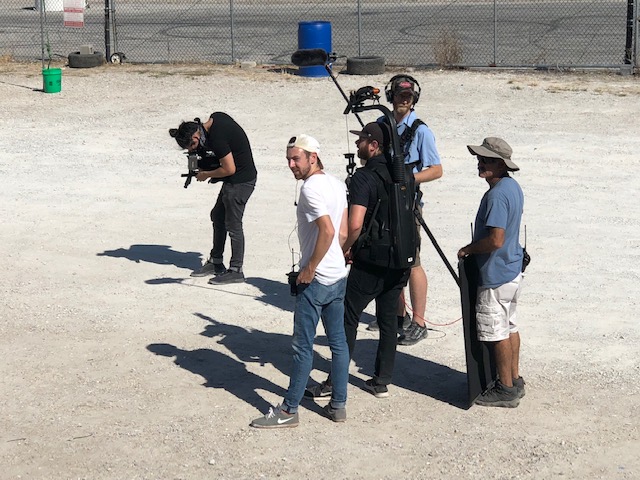
Create short, engaging clips from your footage to share on social media platforms.

What is Run and Gun Videography?

Run and Gun videography is a style of video production that prioritizes flexibility, speed, and spontaneity. It’s a versatile approach that is often used in documentary filmmaking, news reporting, event coverage, and even certain types of commercials. The key to Run and Gun videography is being able to adapt quickly to changing circumstances while capturing compelling and visually appealing footage.

The Advantages of Run and Gun Videography

  1. Flexibility: Run and Gun videography allows for quick adjustments to changing situations. Whether you’re covering a live event or capturing candid moments, this style gives you the freedom to adapt on the fly.
  2. Authenticity: Run and Gun videography often results in more authentic and unscripted footage. It can capture genuine reactions, emotions, and moments that might be missed in more structured shoots.
  3. Cost-Effective: This approach can be more budget-friendly compared to large-scale productions. It requires less equipment and crew, making it accessible to a wider range of clients.
  4. Efficiency: Run and Gun videography is known for its efficiency. With a small crew, you can cover a lot of ground in a short amount of time, which can be particularly valuable for time-sensitive projects.
  5. Adaptability: This style is perfect for situations where you don’t have complete control over the environment, such as at events or in crowded public spaces. It allows you to work with what’s available.

The Challenges of Run and Gun Videography

While Run and Gun videography offers many advantages, it also comes with its fair share of challenges:

  1. Limited Control: With less time for pre-planning and setup, you have limited control over lighting, audio, and composition. This can sometimes result in less polished footage.
  2. Equipment Choice: Selecting the right equipment is crucial. You need gear that is portable, versatile, and can handle a range of shooting conditions.
  3. Stabilization: Maintaining stable footage can be challenging, especially when shooting on the move. Using stabilizers, gimbals, or even handheld techniques is essential.
  4. Audio Quality: Capturing high-quality audio can be tricky in run and gun situations. External microphones and wireless audio setups are often necessary.
  5. Storytelling: Crafting a coherent narrative can be challenging when working in a fast-paced, unscripted environment. It requires a keen eye for storytelling and adaptability.

The Run and Gun Videography Process

Now that we’ve explored the concept and pros and cons of Run and Gun videography, let’s dive into the step-by-step process of creating compelling content using this approach:

1. Pre-Production Planning

While Run and Gun videography is known for its spontaneity, some level of pre-production planning is still essential. Here’s what you should consider:

  • Storyboard: Create a loose storyboard or shot list. This will serve as a guideline but should remain flexible.
  • Equipment Selection: Choose lightweight, portable gear that can handle various shooting conditions. This includes cameras, lenses, stabilizers, and audio equipment.
  • Location Scouting: If possible, scout the locations in advance to get an idea of lighting and audio challenges.
  • Permits and Releases: Ensure you have the necessary permits for shooting in public spaces and obtain release forms from any individuals who will appear in your video.

2. Shooting Techniques

Successful Run and Gun videography relies on a set of specific shooting techniques:

  • Handheld Shooting: Embrace handheld shooting techniques to maintain mobility and capture dynamic footage. Practice steadying your shots to avoid excessive shakiness.
  • Natural Lighting: Make the most of available natural light. Avoid elaborate lighting setups and rely on your camera’s low-light capabilities when necessary.
  • Audio Capture: Invest in external microphones or wireless audio systems to capture clear and high-quality audio. Pay attention to ambient noise and wind interference.
  • Quick Setup: Be prepared to set up and break down your equipment quickly. Time is often limited, and you don’t want to miss crucial moments.

3. Adaptability and Creativity

In the field, adaptability and creativity are your greatest assets. Here are some tips for staying agile:

  • Follow the Action: Be ready to pivot and follow the action as it unfolds. Don’t be afraid to change your planned shots if something more interesting is happening.
  • Engage with Subjects: Interact with the people you’re filming. Building a rapport can lead to more genuine and relaxed moments on camera.
  • Use Natural Framing: Look for natural frames within your environment, such as doorways or windows, to create visually appealing shots.
  • Experiment with Angles: Try shooting from different angles and perspectives to add variety to your footage.

4. Post-Production and Editing

Once you’ve captured your footage, the post-production process becomes critical:

  • Organization: Carefully label and organize your clips to streamline the editing process.
  • Storytelling: Craft a narrative from the footage you’ve gathered. Use interviews, voiceovers, and on-screen text to tie everything together.
  • Color Correction: Correct any color imbalances and ensure consistency in your footage.
  • Audio Enhancement: Improve audio quality during the editing process by removing noise, adjusting levels, and adding music or sound effects where necessary.
  • Transitions: Use smooth transitions to connect scenes and maintain the flow of your video.
  • Review and Feedback: Seek feedback from colleagues or clients to refine your edit.

5. Repurposing Your Run and Gun Content

One of the strengths of Run and Gun videography is its adaptability even after shooting. Here are some ways to repurpose your content:

  • Social Media Clips: Create short, engaging clips from your footage to share on social media platforms.
  • Behind-the-Scenes Content: Use behind-the-scenes footage to give your audience a glimpse into the creative process.
  • Documentary Series: If you’ve captured a significant amount of footage, consider turning it into a multi-part documentary series.
  • Promotional Videos: Use snippets from your shoot to create promotional videos for your clients or organization.
  • B-Roll Library: Build a library of B-roll footage that can be used in future projects.

St. Louis Camera Crew: Your Run and Gun Videography Experts

At St. Louis Camera Crew, we understand the ins and outs of Run and Gun videography. With the right equipment and a creative crew experienced in this style, we have successfully produced impactful content for numerous clients in the St. Louis area.

Our Services

As a full-service video production company, we offer a wide range of services to meet diverse creative needs:

  • Studio and Location Video: Whether you need to shoot in our studio or on location, we have the expertise to create compelling video content.
  • Post-Production Editing: Our post-production team is skilled at turning raw footage into polished and engaging videos.
  • Still Photography: In addition to videography, we offer still photography services to capture stunning images for your projects.

Specialties

Our experienced videographers, directors, and producers are adept at various aspects of video production:

  • Talking Heads: We excel at shooting talking head segments, ensuring that your message comes across professionally and effectively.
  • Interviews and Testimonials: Capture authentic and compelling interviews and testimonials that resonate with your audience.
  • B-Roll: We understand the importance of B-roll in enhancing your video’s storytelling and visual appeal.
  • Teleprompters: For a more professional and efficient message delivery, we offer teleprompters to help speakers stay on track.

Call to Action

As a full-service video creation company, St. Louis Camera Crew has collaborated with numerous businesses and organizations in the St. Louis area to bring their creative visions to life. Our experienced team of videographers, directors, and producers is ready to tailor our services to meet your unique video and photography needs.

Whether you’re embarking on a Run and Gun videography project or require assistance with a different style of production, we have the expertise and equipment to deliver exceptional results. Contact us today to discuss your next project and discover how St. Louis Camera Crew can elevate your video and photography productions to the next level. Don’t miss the opportunity to create impactful and engaging content with our dedicated team by your side.

314-913-5626

stlouiscameracrew@gmail.com