The Smartest Questions to Ask Customers on Camera—So Your Video Reviews Actually Sell

Customer video reviews work because real people carry more weight than brand claims. But strong testimonials don’t happen by accident—they’re the result of precise, open-ended questions, disciplined on-set coaching, and a plan to repurpose the footage across channels. Use this guide to design interviews that capture credible, on-brand stories you can cut into 6-, 15-, 30-, and 60-second assets for web, social, paid, and sales enablement.

How to use this guide

Pick 6–10 questions from 4–6 sections below. Keep each answer to 20–30 seconds. Record one concise summary line after every response.


1) Warm-up (build comfort, get natural delivery)

  • What’s your name, title, and company—how do you describe what you do to a new hire?
  • Where do you serve customers, and what makes your workday unique?
  • What brought you to us initially—one sentence.

2) Context & fit (qualify the use case)

  • What problem were you trying to solve when you found us?
  • Who was involved in the decision, and what did they care about most?
  • What alternatives did you consider?
  • What made our approach feel like the right fit for your environment/team/timeline?

3) The pain, stakes, and “before” picture

  • Before working with us, what wasn’t working—and what did that cost you (time, errors, risk, dollars)?
  • Can you share a moment when the old way clearly failed?
  • What was at risk if you didn’t change?

4) Why you chose us (the decisive moment)

  • Which factors tipped the decision: expertise, speed, compliance, price, support, or something else?
  • What did you notice in our first meeting, proposal, or demo that competitors didn’t provide?
  • If you had one sentence to explain why you chose us, what is it?

5) Implementation & experience (credibility + process)

  • How smooth was onboarding or project setup? Where did we exceed expectations?
  • What did our team do that built trust quickly (communication, checklists, prototypes, contingency planning)?
  • Did we adapt to constraints—locations, facilities, regulations, stakeholders?

6) Outcomes & ROI (make results measurable)

  • What results can you quantify (throughput, conversion, time saved, error reduction, revenue impact)?
  • What leading indicators moved first (inquiries, meeting acceptance, internal adoption)?
  • What surprised you about the impact on your team or customers?
  • If you had to justify the expense to finance, what would you show them?

7) Objections handled (overcome buyer friction)

  • What hesitation did you or your team have—and how did we address it?
  • What do you wish you had known sooner that would have sped up your decision?
  • If a peer has the same concern today, what would you tell them?

8) Differentiators in action (prove the claims)

  • Which features or services mattered most in real use (turnaround time, crew quality, AI cleanup, file delivery)?
  • Tell a short story where a specific capability saved the day.
  • What about our safety/compliance process made operations comfortable?

9) Relationship & support (post-sale trust)

  • After delivery, what did support look like (revisions, formats, training, re-cuts)?
  • How does the relationship feel today—transactional or strategic? Why?

10) Advice to peers (snackable sound bites)

  • For someone in your role considering us, what one piece of advice would you give?
  • Complete this sentence: “If you need ______, choose this team because ______.”
  • In five words or less, describe the outcome.

11) Closing line (CTA without sounding scripted)

  • Would you work with us again? Why?
  • How should someone evaluate vendors for this kind of project?

Optional industry-specific add-ons

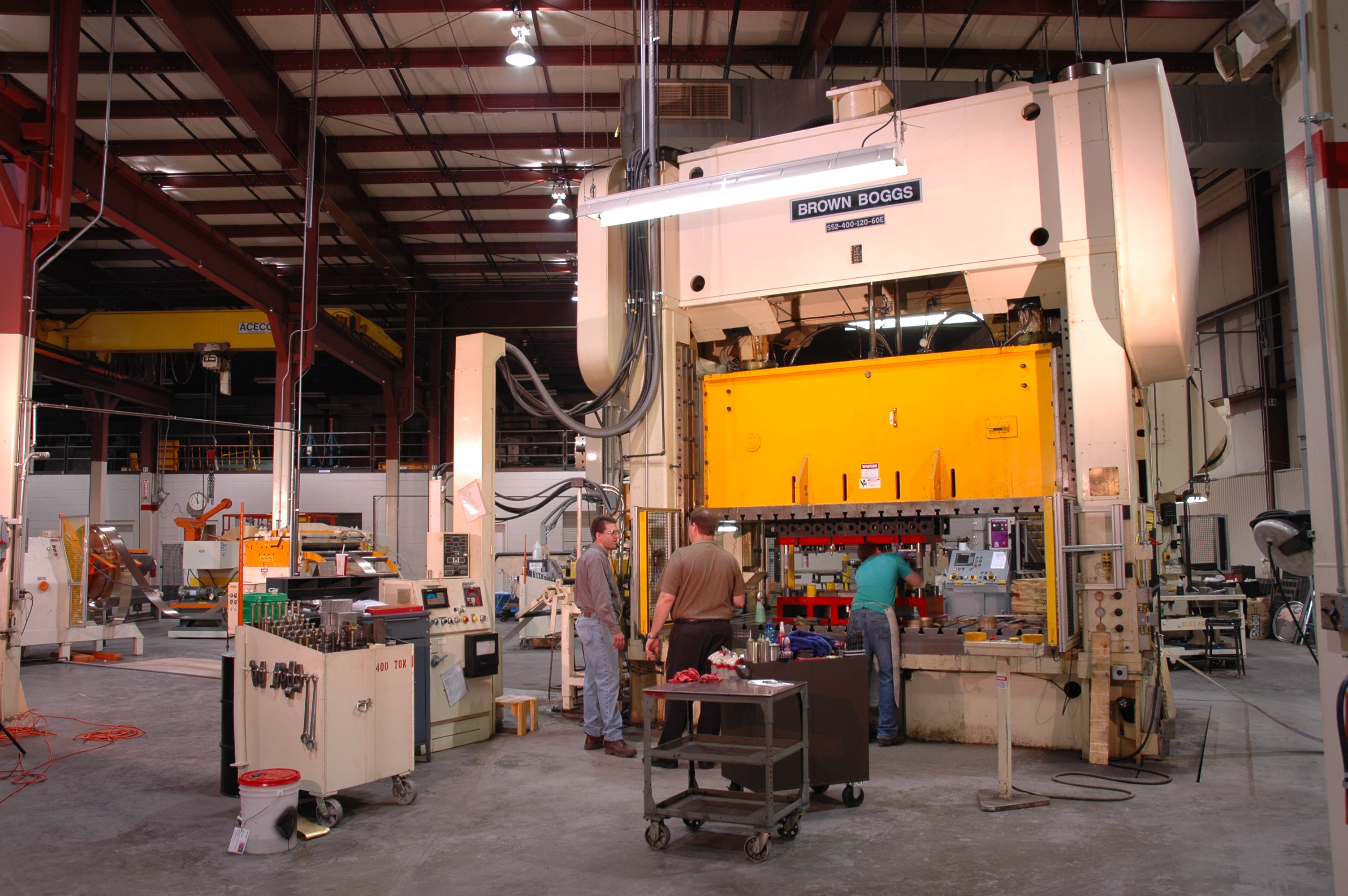
Manufacturing/Industrial

  • What safety or access constraints did we navigate on the plant floor?
  • How did we capture processes without disrupting throughput?

Healthcare

  • How did we protect patient privacy and comply with facility policies?
  • What approvals or trainings were required before cameras rolled?

Software/SaaS

  • What metrics moved post-launch (demo requests, win rate, time to value)?
  • How did customer success or sales use the finished assets?

Professional Services

  • Which parts of your engagement became easier to explain with the video?
  • What client objections does the video now preempt?

On-camera coaching tips for non-actors

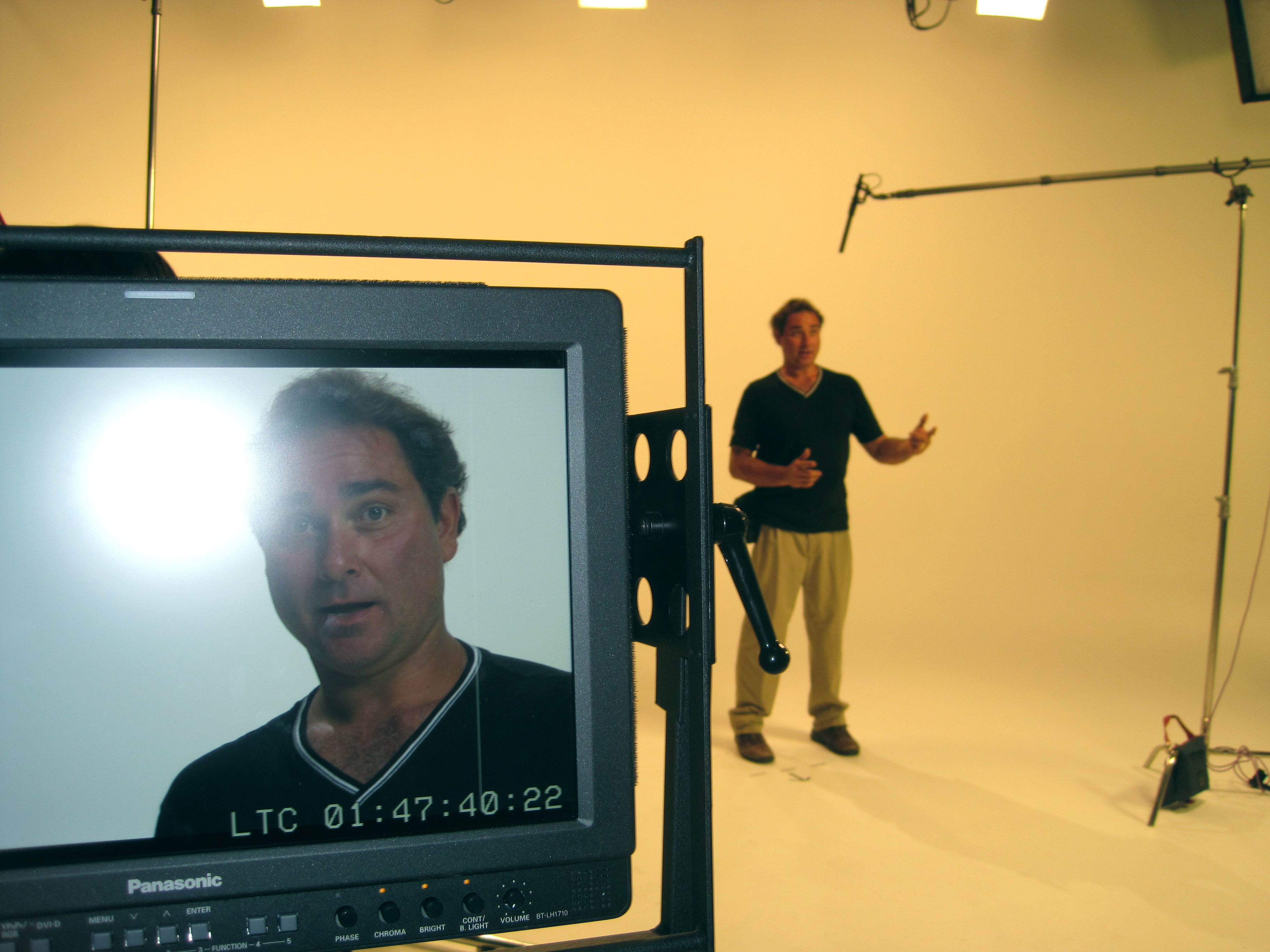
  • Speak to one person, not “the audience.” Imagine a colleague across the table.
  • Use first-person, concrete nouns, and short sentences. Avoid jargon.
  • Answer, then land a crisp summary line. We’ll capture it as a stand-alone sound bite.
  • Pause before and after you speak—clean in, clean out helps the edit.
  • Look at the interviewer (not the lens) unless we cue you otherwise.

Run-of-show template (30–45 minutes per interview)

  1. Mic, frame, and warm-up (5 min): casual questions to normalize voice and cadence.
  2. Core questions (15–20 min): sections 2–7 above.
  3. Sound bites (5–10 min): crisp one-liners and objection handlers.
  4. Cutaway prompts (5–10 min): capture nods, smiles, natural gestures for edit glue.
  5. Room tone & plates (2 min): clean audio and empty frames for transitions.

B-roll shotlist to elevate testimonials

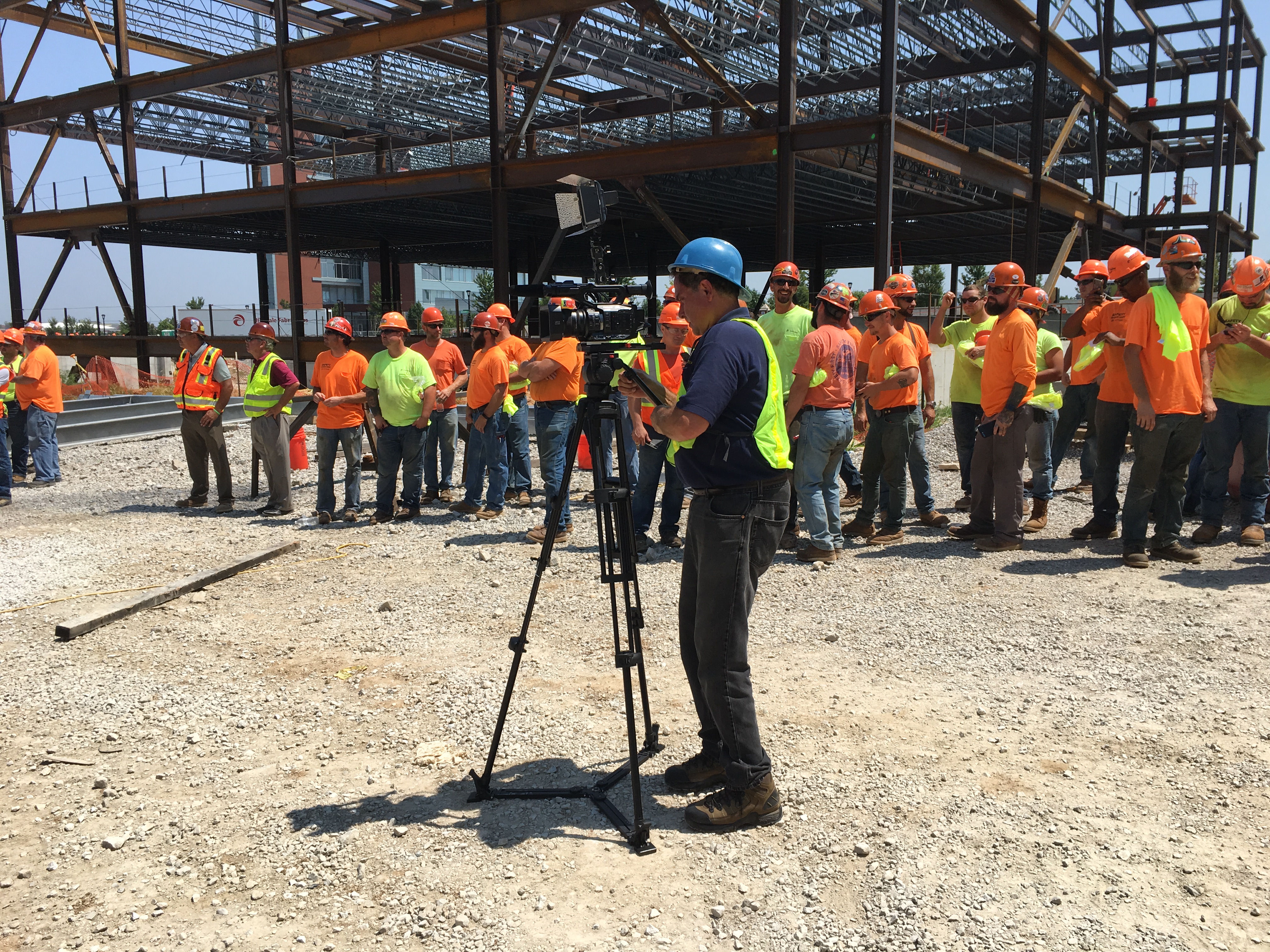
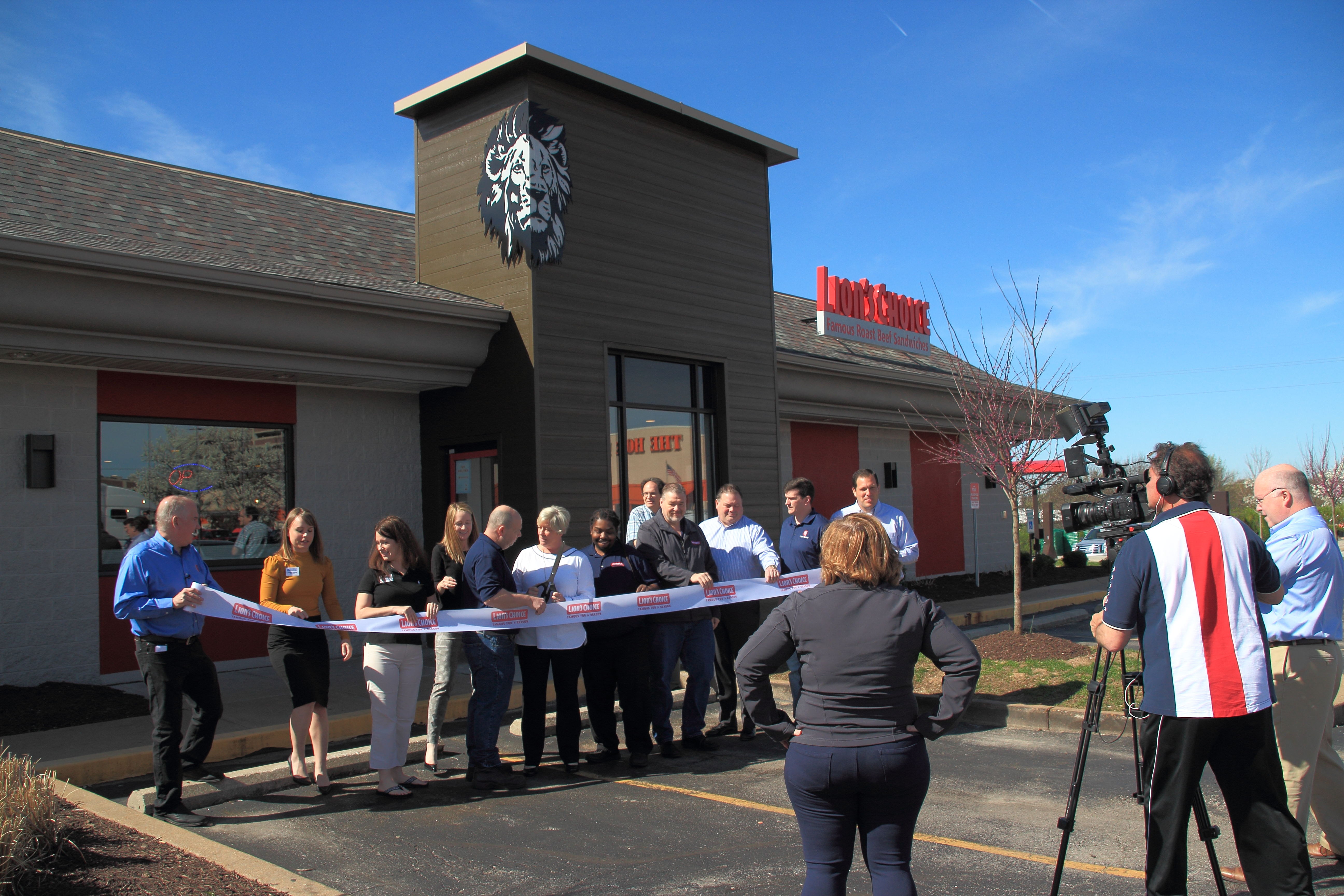
  • The customer in their real environment: entrances, signage, working shots, team interactions.
  • Process specifics: hands, tools, screens, product in use, whiteboards.
  • Relationship moments: our crew collaborating, reviewing takes, setting lights.
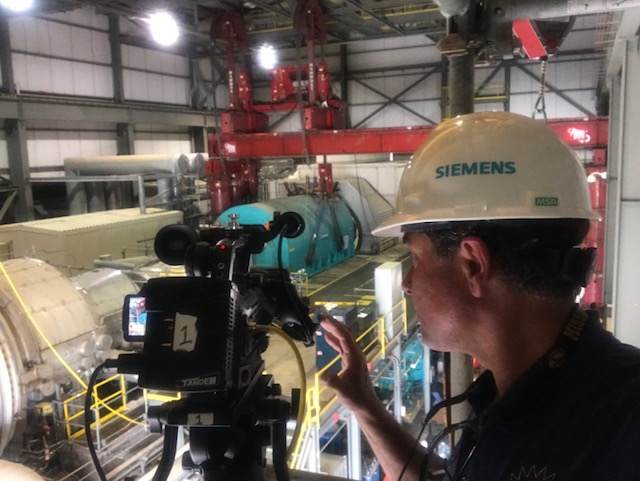
  • Dynamic establishing shots: smooth gimbal passes; where appropriate, indoor drone reveals for spatial context (with safety pilot, spotter, and facility approval).
  • Cutaways for edits: over-the-shoulders, detail inserts, reaction shots.

Compliance, releases, and claims discipline

  • Secure appearance/location releases and facility approvals ahead of time.
  • Keep outcomes truthful and reproducible; avoid absolute claims unless substantiated.
  • Confirm any confidentiality boundaries (no screens with sensitive data, badge blurring, PHI redaction where applicable).
  • Log titles and spellings for lower-thirds accuracy.

Editing & repurposing plan (turn one interview into many assets)

  • Master cut (60–120 seconds): the full story arc.
  • Paid/social cutdowns: 6s hook, 15s benefits, 30s “problem → outcome.”
  • Sales enablement: 45–60s objection-buster, feature demo + quote overlays.
  • Formats: 16:9, 1:1, 9:16 with open captions and burned-in branding.
  • AI-accelerated post: precise masking/cleanup, noise reduction, background extensions, colorways, and smart reframes to multiply outputs while preserving skin tones and materials.

Quality checklist for decision makers

  • Goals, audience, and primary CTA are documented.
  • Interviewee prepped with 6–10 custom questions and a one-line summary prompt.
  • Location scouted for sound, power, access, and brand fit; backup plan set.
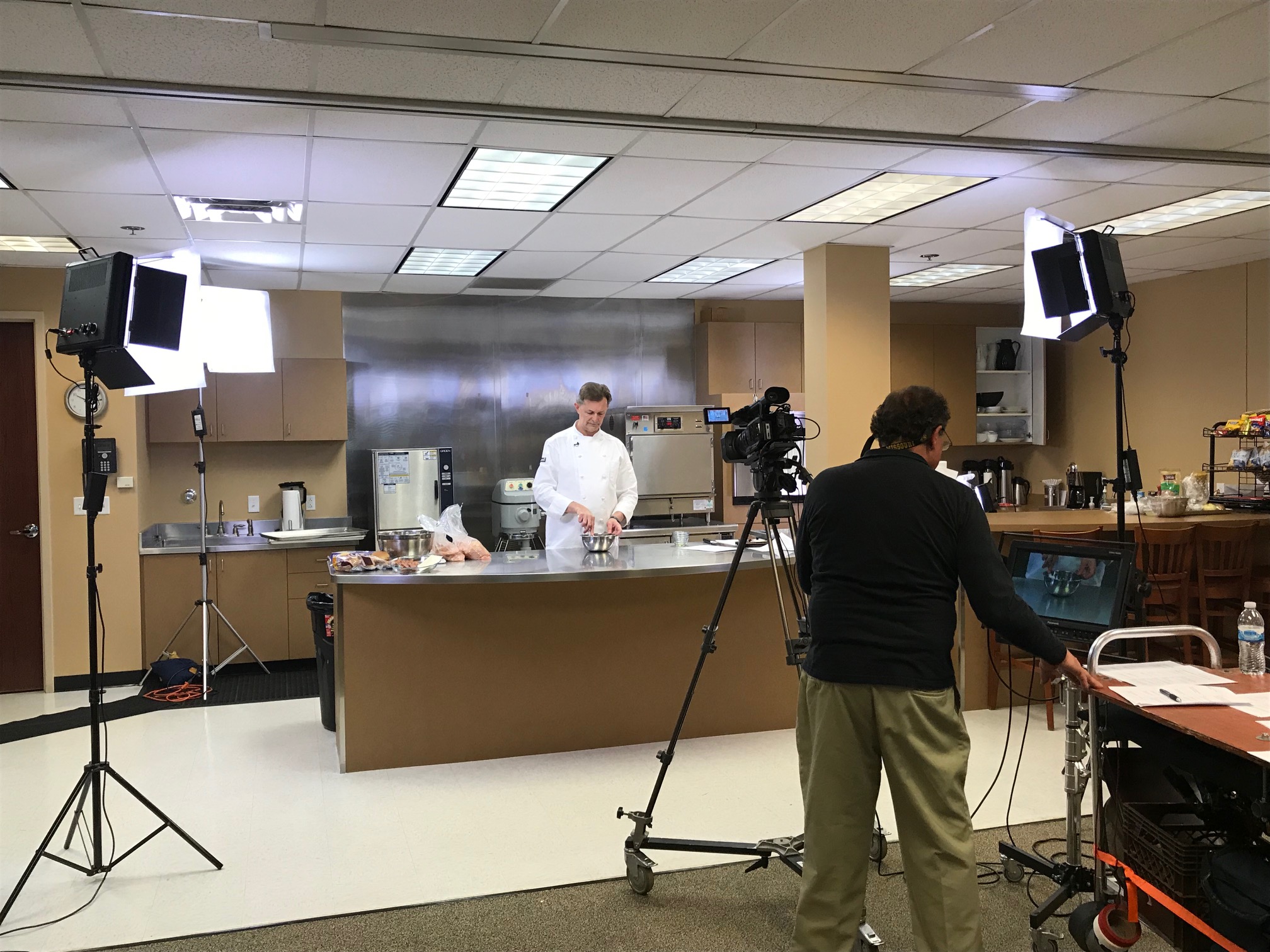
  • Lighting plan approved (studio look vs. environmental).
  • Deliverables list locked (durations, ratios, captions, thumbnails, file specs).
  • Legal and brand approvals mapped with deadlines.

Example interview packs (copy/paste)

Starter 8-pack (general B2B)

  1. What problem were you trying to solve?
  2. What made us the right fit?
  3. How smooth was the rollout?
  4. One result you can quantify.
  5. One result your team felt.
  6. What hesitation did you have—and how was it resolved?
  7. What would you tell a peer considering us?
  8. Would you work with us again—why?

30-second cut template

  • Hook (the pain): “We were losing X because…”
  • Decision (the why): “We chose ____ for…”
  • Outcome (the proof): “In 60 days we saw…”
  • CTA-ish close: “If you need ____, talk to ____.”

Why this works

These questions map to how buyers make decisions: pain → fit → proof → risk removal → next step. You’ll capture authentic language, quantify outcomes, and arm marketing and sales with modular content that stays credible across channels.


About St Louis Camera Crew

St Louis Camera Crew is a full-service professional commercial photography and video production company with the right equipment and creative crew experience for successful image acquisition. We offer full-service studio and location video and photography, as well as editing, post-production, and licensed drone pilots. St Louis Camera Crew can customize your productions for diverse types of media requirements. Repurposing your photography and video branding to gain more traction is another specialty. We are well-versed in all file types, media styles, and accompanying software, and we use the latest in Artificial Intelligence across our media services. Our private studio lighting and visual setup is perfect for small productions and interview scenes, and our studio is large enough to incorporate props to round out your set. We support every aspect of your production—from setting up a private, custom interview studio to supplying professional sound and camera operators, as well as providing the right equipment—ensuring your next video production is seamless and successful. We can fly our specialized drones indoors. As a full-service video and photography production corporation since 1982, St Louis Camera Crew has worked with many businesses, marketing firms, and creative agencies in the St. Louis area for their marketing photography and video.

314-913-5626

stlouiscameracrew@gmail.com

Shoot-and-Ship Simplified: Capturing Remote Interviews and B-Roll in St. Louis

When your company needs video interviews or B-roll footage from a city your team can’t reach, a “shoot-and-ship” solution provides the perfect answer. Rather than sending a full production crew across the country, businesses and agencies can partner with a reliable local team—like St Louis Camera Crew—to handle all on-site production and quickly deliver high-quality footage to editors anywhere.

This remote production model allows marketing and communications professionals to stay on schedule, save on travel costs, and maintain creative control from a distance.


What Is Shoot-and-Ship?

Shoot-and-ship is a production model where interviews and footage are captured in one location and shipped—digitally or physically—to editors elsewhere. It’s ideal for:

  • Filming executives or team members who can’t travel
  • Capturing visual content at client or facility locations
  • Adding B-roll or testimonials for national campaigns

The process includes pre-production planning, local filming, and prompt delivery of files—giving your team the visual assets it needs without the logistical overhead.


How the Process Works

1. Planning and Coordination
We begin by working with your team to understand your messaging goals, brand style, and content needs. From location selection to interview questions and lighting setups, we handle every detail so your shoot is smooth and aligned with your objectives.

2. Filming the Interview
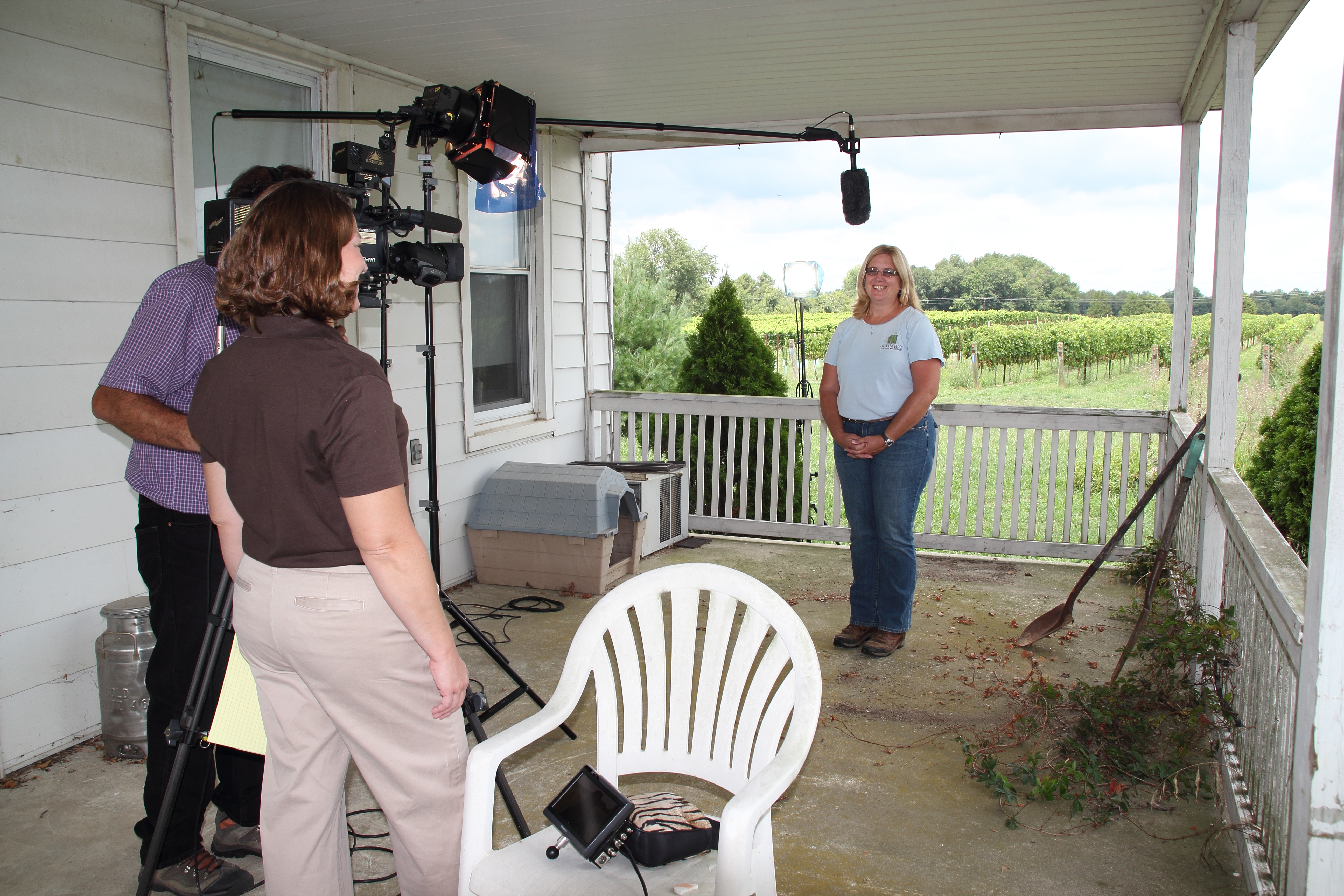
Our local crew sets up and records your interview in a way that reflects your brand’s professionalism and tone. Whether you prefer a clean corporate backdrop, a real-world environment, or a custom studio setting, we make sure everything looks and sounds right.

3. Capturing B-Roll Footage
In addition to interviews, we capture supporting footage that tells the broader story—such as the location, team interactions, products in use, or behind-the-scenes moments. This footage helps your editors create a polished final video that feels cohesive and visually engaging.

4. Delivering the Files
After filming, we quickly organize, back up, and deliver your footage using secure file transfer systems or physical drives, depending on your preferences. We include clear labeling, notes, and any supporting materials to help your team move straight into editing.


Why St. Louis Is a Smart Choice

St. Louis is a dynamic city with a wide range of locations, talent, and settings that can represent nearly any business or backdrop. It’s centrally located, making it an efficient production hub for national brands. Whether you need a corporate feel, industrial visuals, or outdoor footage, the diversity of locations in St. Louis makes it easy to capture content that fits your brand’s message.


Why Choose St Louis Camera Crew?

St Louis Camera Crew is a trusted full-service commercial photography and video production company with decades of experience capturing meaningful visual content for businesses, agencies, and organizations. We specialize in delivering high-quality results without requiring your team to travel.

Here’s what makes us the ideal partner for shoot-and-ship productions:

  • We offer full-service studio and on-location video and photography, including everything needed to plan and execute your shoot.
  • Our team handles editing, post-production, and licensed drone services, with the ability to fly indoors when needed.
  • We’re experts in repurposing your video and photography to maximize value across multiple platforms and campaigns.
  • We work with all file types and formats, and we use the latest Artificial Intelligence tools to enhance every stage of production.
  • Our private studio setup is ideal for interviews and custom scenes, with ample space for sets, props, and controlled lighting.

Since 1982, St Louis Camera Crew has partnered with marketing firms, corporate teams, and creative agencies across the St. Louis region to capture professional video and photography that speaks clearly to their audience.

If you need high-quality video interviews or B-roll filmed in St. Louis and delivered anywhere, let’s make your shoot-and-ship process seamless and successful.

314-913-5626


Mike Haller
St Louis Video Producer

mikeh@hallerconcepts.com

Full Service Video Production Studio and Post Production

4501 Mattis Road
Saint Louis, Missouri 63128

Tips for Working Smoothly with a Small Video Team: Maximizing Efficiency Without Sacrificing Quality

In today’s fast-paced marketing world, efficiency is everything. Whether you’re launching a new product, creating internal communications, or producing branded content, working with a small video crew can offer flexibility, agility, and cost-effectiveness—if done right. At St Louis Camera Crew, we’ve spent decades helping businesses and organizations unlock the full potential of lean video teams. Here are essential tips to ensure your next production runs smoothly, even with a compact crew.


1. Plan with Precision

Pre-production is where the success of small-crew shoots is determined. Because each crew member will likely wear multiple hats, clear communication during the planning phase is vital. Establish:

  • Your goals and target audience
  • A shot list and storyboard (even rough sketches help)
  • A realistic schedule and locations
  • Who is responsible for what (director, DP, audio tech, producer roles may overlap)

The more planning upfront, the less stress and improvisation on set.


2. Streamline Your Script and Storyboard

When working with a small crew, simpler often means smarter. Focus on storytelling that aligns with your budget and resources:

  • Choose interview setups, b-roll, or testimonials that can be achieved in a single location or minimal setups.
  • Minimize lighting and location changes to keep momentum.
  • Use natural light creatively to cut down on gear needs.

A streamlined creative direction allows the crew to focus on quality execution without constant reconfiguration.


3. Keep Talent and Staff Informed

A smaller team can mean fewer touchpoints for talent and stakeholders. Ensure everyone involved knows:

  • The production schedule and timing
  • Wardrobe expectations
  • Where to look and speak during interviews
  • Who to go to with questions on set

This keeps things moving and avoids confusion or delays during your shoot.


4. Use Versatile Equipment

Small crews need gear that punches above its weight. Lightweight cameras, mobile lighting kits, and wireless audio solutions reduce setup time and increase mobility. At St Louis Camera Crew, we pair compact cinema cameras with AI-enhanced tools for real-time monitoring, framing, and even backup recording—saving time without compromising quality.


5. Trust the Team’s Expertise

A lean video crew brings deep cross-functional experience. Your producer might be framing shots. Your camera operator may also light the scene. Trusting their ability to multitask is key. Lean into their expertise—smaller teams often bring a more collaborative spirit, where creative ideas flow freely.


6. Be Flexible, But Focused

Things change—lighting conditions, noise levels, weather. A small team thrives on adaptability. But focus is essential:

  • Stick to your most critical shots
  • Prioritize quality over quantity
  • Have a backup plan if your ideal location or timing doesn’t work out

Clear priorities allow small crews to pivot without losing the essence of the shoot.


7. Post-Production: Keep the Momentum Going

Once the footage is captured, a small but experienced post-production team can quickly turn raw files into polished content. Use shared notes, time-coded feedback, and version control tools to review efficiently. At St Louis Camera Crew, our editors are often on set to ensure footage is organized and labeled, accelerating turnaround times.


Why St Louis Camera Crew is the Right Partner for Lean Productions

Since 1982, St Louis Camera Crew has specialized in delivering high-impact video and photography services for businesses, marketing agencies, and creative firms throughout the St. Louis region. We know how to make small teams deliver big results.

We’re a full-service commercial photography and video production company offering:

  • Studio and location video and photography
  • Expert editing, post-production, and repurposing services
  • Licensed drone pilots, even for indoor flight
  • Custom interview studios and private studio setups with prop integration
  • The latest AI tools and software for maximum efficiency and creativity

Our experienced crew knows how to work lean without ever compromising on quality, professionalism, or results. Whether you’re capturing interviews, product demonstrations, training videos, or testimonials, St Louis Camera Crew brings the right people, tools, and vision to your shoot.

Let’s collaborate. We’ll help you tell your story with clarity, creativity, and confidence—no matter the size of your crew.

314-913-5626


Mike Haller
St Louis Video Producer

mikeh@hallerconcepts.com

Full Service Video Production Studio and Post Production

4501 Mattis Road
Saint Louis, Missouri 63128

Tips for Working Well with a Camera Crew to Elevate Your Video Production

In today’s digital age, video content is a powerful tool for marketing, branding, and storytelling. Whether you are producing a corporate video, a commercial, or an internal training module, working efficiently with a professional camera crew is crucial to achieving high-quality results. Here are some expert tips to ensure a seamless collaboration with your camera crew and make the most out of your production day.

Avoid cramming too many shots into one production day. A well-paced schedule allows the crew to focus on quality rather than rushing through scenes.

1. Define Your Goals and Objectives Clearly

Before the cameras start rolling, it’s essential to have a clear vision of your project. Outline your objectives, target audience, key messages, and intended outcomes. Providing the crew with a well-structured creative brief helps them align their expertise with your vision and make informed decisions about lighting, composition, and shooting styles.

2. Communicate Your Expectations in Advance

A well-organized shoot begins with solid pre-production planning. Share key details with the camera crew ahead of time, including:

  • The type of shots needed (e.g., close-ups, wide angles, drone footage)
  • Preferred shooting locations
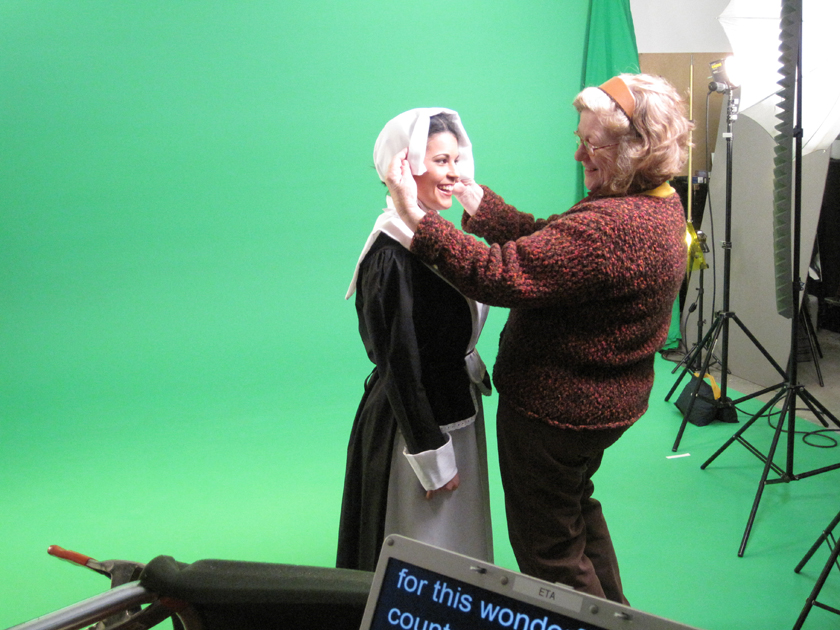
  • Required equipment (e.g., stabilizers, specialized lenses, green screens)
  • The tone and style of the video

Providing this information in advance ensures that the team arrives prepared, reducing delays and optimizing production time.

3. Trust the Crew’s Expertise

A professional camera crew brings a wealth of experience to your production. They understand how to manipulate lighting, angles, and movement to enhance the visual storytelling. While it’s important to communicate your vision, trusting the crew’s expertise allows for creative flexibility and technical precision that can elevate the final product.

4. Plan for Lighting and Sound Considerations

Lighting and sound quality can make or break a video. If you’re shooting indoors, consider the available lighting and whether additional equipment, such as softboxes or reflectors, is necessary. If shooting outdoors, be mindful of natural light conditions and background noise. Your camera crew will have the necessary tools to adjust for these factors, but planning for them in advance helps streamline the process.

5. Keep a Realistic Schedule

Avoid cramming too many shots into one production day. A well-paced schedule allows the crew to focus on quality rather than rushing through scenes. Consider the time needed for:

  • Setting up and adjusting equipment
  • Multiple takes for perfect shots
  • Sound and lighting modifications
  • Unexpected challenges like weather changes or technical adjustments

A flexible yet structured schedule leads to a more productive and efficient shoot.

6. Be Open to Direction and Collaboration

A great video is the result of teamwork. While you may have a specific vision in mind, be open to suggestions from the camera crew. They can offer insights on framing, pacing, and shot composition that you may not have considered. Collaborating effectively ensures a visually compelling and professional final product.

7. Ensure a Comfortable Environment for On-Camera Talent

If your production involves interviews or speaking roles, helping your talent feel comfortable on camera is key. Encourage a relaxed atmosphere by providing:

  • A clear briefing on what to expect
  • Adequate rehearsal time
  • A distraction-free environment
  • Encouragement and positive reinforcement

Your camera crew can also provide tips to help subjects appear more natural on screen, leading to more engaging and authentic footage.

8. Understand Post-Production Needs

Once the shoot is complete, the footage will go into editing. Having a clear plan for post-production can save time and improve workflow. Discuss elements like:

  • Desired video length
  • Graphics, animations, or overlays
  • Music and sound design
  • File formats and distribution needs

Your camera crew and editing team can tailor the post-production process to align with your goals, ensuring a polished and professional end result.

Why Choose St. Louis Camera Crew?

At St. Louis Camera Crew, we are more than just a team with cameras—we are a full-service professional commercial photography and video production company dedicated to bringing your vision to life. Our experienced crew, top-tier equipment, and creative approach ensure successful image acquisition in any setting.

We offer studio and location video and photography services, expert editing, post-production, and licensed drone pilots for high-quality aerial footage. Our private studio lighting and visual setups are ideal for small productions and interview scenes, with ample space for custom sets and props. Whether you need a custom interview studio setup, sound and camera operators, or specialized drone operations—including indoor drone flying—our team has the skills and tools to make your next video production seamless.

Since 1982, St. Louis Camera Crew has been the trusted partner of businesses, marketing firms, and creative agencies in the St. Louis area, delivering high-impact visual content tailored to diverse media requirements. We specialize in repurposing photography and video branding to maximize audience engagement and marketing traction.

From pre-production planning to final edits, our full-service approach ensures that your video production meets the highest professional standards. Let us help you craft compelling visuals that leave a lasting impression—contact St. Louis Camera Crew today!

314-913-5626

stlouiscameracrew@gmail.com

Behind the Lens: The Art of Run and Gun Videography

In the world of video production, there are various styles and techniques that can be employed to create impactful and engaging content. One such style that has gained popularity in recent years is “Run and Gun” videography. As experienced video producers at St. Louis Camera Crew, we understand the nuances and challenges of this approach, and in this comprehensive guide, we’ll delve deep into the art of Run and Gun videography.

Create short, engaging clips from your footage to share on social media platforms.

What is Run and Gun Videography?

Run and Gun videography is a style of video production that prioritizes flexibility, speed, and spontaneity. It’s a versatile approach that is often used in documentary filmmaking, news reporting, event coverage, and even certain types of commercials. The key to Run and Gun videography is being able to adapt quickly to changing circumstances while capturing compelling and visually appealing footage.

The Advantages of Run and Gun Videography

  1. Flexibility: Run and Gun videography allows for quick adjustments to changing situations. Whether you’re covering a live event or capturing candid moments, this style gives you the freedom to adapt on the fly.
  2. Authenticity: Run and Gun videography often results in more authentic and unscripted footage. It can capture genuine reactions, emotions, and moments that might be missed in more structured shoots.
  3. Cost-Effective: This approach can be more budget-friendly compared to large-scale productions. It requires less equipment and crew, making it accessible to a wider range of clients.
  4. Efficiency: Run and Gun videography is known for its efficiency. With a small crew, you can cover a lot of ground in a short amount of time, which can be particularly valuable for time-sensitive projects.
  5. Adaptability: This style is perfect for situations where you don’t have complete control over the environment, such as at events or in crowded public spaces. It allows you to work with what’s available.

The Challenges of Run and Gun Videography

While Run and Gun videography offers many advantages, it also comes with its fair share of challenges:

  1. Limited Control: With less time for pre-planning and setup, you have limited control over lighting, audio, and composition. This can sometimes result in less polished footage.
  2. Equipment Choice: Selecting the right equipment is crucial. You need gear that is portable, versatile, and can handle a range of shooting conditions.
  3. Stabilization: Maintaining stable footage can be challenging, especially when shooting on the move. Using stabilizers, gimbals, or even handheld techniques is essential.
  4. Audio Quality: Capturing high-quality audio can be tricky in run and gun situations. External microphones and wireless audio setups are often necessary.
  5. Storytelling: Crafting a coherent narrative can be challenging when working in a fast-paced, unscripted environment. It requires a keen eye for storytelling and adaptability.

The Run and Gun Videography Process

Now that we’ve explored the concept and pros and cons of Run and Gun videography, let’s dive into the step-by-step process of creating compelling content using this approach:

1. Pre-Production Planning

While Run and Gun videography is known for its spontaneity, some level of pre-production planning is still essential. Here’s what you should consider:

  • Storyboard: Create a loose storyboard or shot list. This will serve as a guideline but should remain flexible.
  • Equipment Selection: Choose lightweight, portable gear that can handle various shooting conditions. This includes cameras, lenses, stabilizers, and audio equipment.
  • Location Scouting: If possible, scout the locations in advance to get an idea of lighting and audio challenges.
  • Permits and Releases: Ensure you have the necessary permits for shooting in public spaces and obtain release forms from any individuals who will appear in your video.

2. Shooting Techniques

Successful Run and Gun videography relies on a set of specific shooting techniques:

  • Handheld Shooting: Embrace handheld shooting techniques to maintain mobility and capture dynamic footage. Practice steadying your shots to avoid excessive shakiness.
  • Natural Lighting: Make the most of available natural light. Avoid elaborate lighting setups and rely on your camera’s low-light capabilities when necessary.
  • Audio Capture: Invest in external microphones or wireless audio systems to capture clear and high-quality audio. Pay attention to ambient noise and wind interference.
  • Quick Setup: Be prepared to set up and break down your equipment quickly. Time is often limited, and you don’t want to miss crucial moments.

3. Adaptability and Creativity

In the field, adaptability and creativity are your greatest assets. Here are some tips for staying agile:

  • Follow the Action: Be ready to pivot and follow the action as it unfolds. Don’t be afraid to change your planned shots if something more interesting is happening.
  • Engage with Subjects: Interact with the people you’re filming. Building a rapport can lead to more genuine and relaxed moments on camera.
  • Use Natural Framing: Look for natural frames within your environment, such as doorways or windows, to create visually appealing shots.
  • Experiment with Angles: Try shooting from different angles and perspectives to add variety to your footage.

4. Post-Production and Editing

Once you’ve captured your footage, the post-production process becomes critical:

  • Organization: Carefully label and organize your clips to streamline the editing process.
  • Storytelling: Craft a narrative from the footage you’ve gathered. Use interviews, voiceovers, and on-screen text to tie everything together.
  • Color Correction: Correct any color imbalances and ensure consistency in your footage.
  • Audio Enhancement: Improve audio quality during the editing process by removing noise, adjusting levels, and adding music or sound effects where necessary.
  • Transitions: Use smooth transitions to connect scenes and maintain the flow of your video.
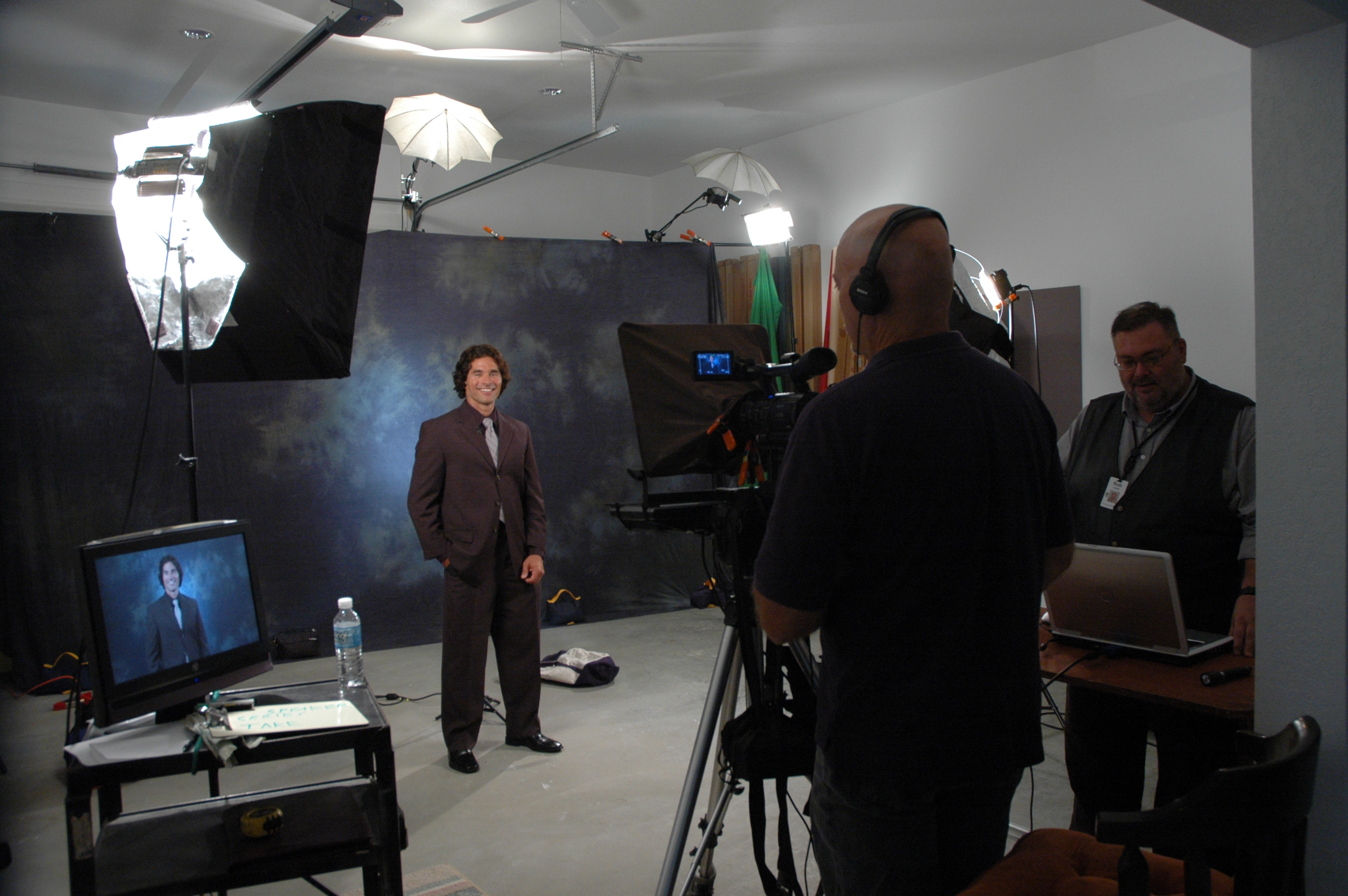
  • Review and Feedback: Seek feedback from colleagues or clients to refine your edit.

5. Repurposing Your Run and Gun Content

One of the strengths of Run and Gun videography is its adaptability even after shooting. Here are some ways to repurpose your content:

  • Social Media Clips: Create short, engaging clips from your footage to share on social media platforms.
  • Behind-the-Scenes Content: Use behind-the-scenes footage to give your audience a glimpse into the creative process.
  • Documentary Series: If you’ve captured a significant amount of footage, consider turning it into a multi-part documentary series.
  • Promotional Videos: Use snippets from your shoot to create promotional videos for your clients or organization.
  • B-Roll Library: Build a library of B-roll footage that can be used in future projects.

St. Louis Camera Crew: Your Run and Gun Videography Experts

At St. Louis Camera Crew, we understand the ins and outs of Run and Gun videography. With the right equipment and a creative crew experienced in this style, we have successfully produced impactful content for numerous clients in the St. Louis area.

Our Services

As a full-service video production company, we offer a wide range of services to meet diverse creative needs:

  • Studio and Location Video: Whether you need to shoot in our studio or on location, we have the expertise to create compelling video content.
  • Post-Production Editing: Our post-production team is skilled at turning raw footage into polished and engaging videos.
  • Still Photography: In addition to videography, we offer still photography services to capture stunning images for your projects.

Specialties

Our experienced videographers, directors, and producers are adept at various aspects of video production:

  • Talking Heads: We excel at shooting talking head segments, ensuring that your message comes across professionally and effectively.
  • Interviews and Testimonials: Capture authentic and compelling interviews and testimonials that resonate with your audience.
  • B-Roll: We understand the importance of B-roll in enhancing your video’s storytelling and visual appeal.
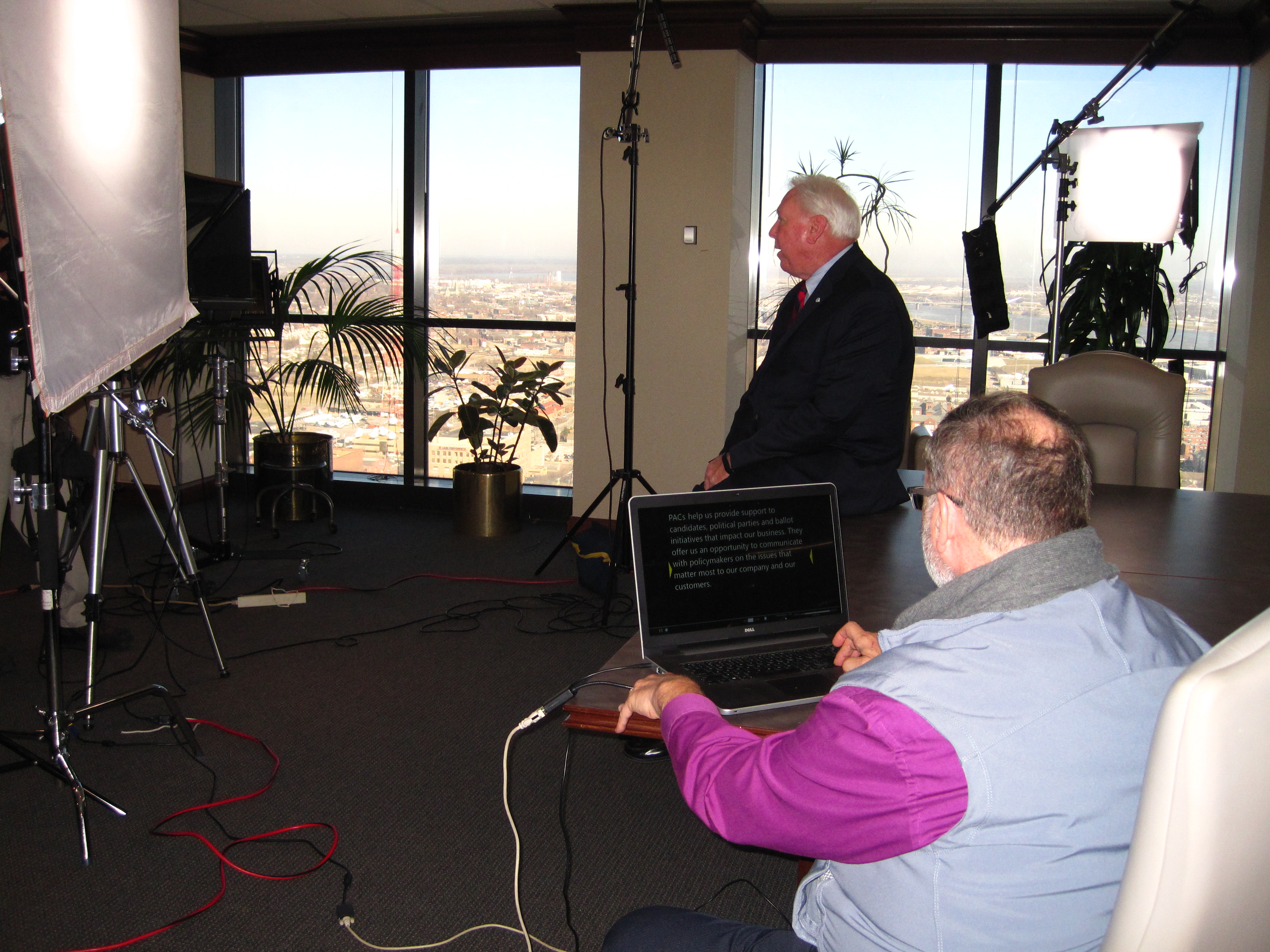
  • Teleprompters: For a more professional and efficient message delivery, we offer teleprompters to help speakers stay on track.

Call to Action

As a full-service video creation company, St. Louis Camera Crew has collaborated with numerous businesses and organizations in the St. Louis area to bring their creative visions to life. Our experienced team of videographers, directors, and producers is ready to tailor our services to meet your unique video and photography needs.

Whether you’re embarking on a Run and Gun videography project or require assistance with a different style of production, we have the expertise and equipment to deliver exceptional results. Contact us today to discuss your next project and discover how St. Louis Camera Crew can elevate your video and photography productions to the next level. Don’t miss the opportunity to create impactful and engaging content with our dedicated team by your side.

314-913-5626

stlouiscameracrew@gmail.com