Creating testimonial videos that genuinely resonate with your audience is an art. At St Louis Camera Crew, we understand the power of authentic storytelling. Our experienced team of videographers and editors works closely with you to capture heartfelt endorsements, success stories, and compelling case studies. We ensure that your clients’ stories are told in a captivating and engaging manner, making a lasting impact on your target audience.
We can also incorporate branding elements and messaging to ensure that your testimonial videos align seamlessly with your overall marketing strategy.
Interviews and Storytelling
The foundation of a great testimonial video is a well-conducted interview. We delve deep into the experiences and insights of your satisfied clients, conducting in-depth interviews that uncover the unique benefits and value of your products or services. Our skilled team then crafts these stories into powerful testimonial videos, highlighting the distinct advantages your business offers. This approach not only builds credibility but also fosters a connection with your audience.
Customization Options
Every business has unique needs and objectives. At St Louis Camera Crew, we offer customizable packages to suit your specific requirements. Whether you need individual testimonial videos for each of your clients or a compilation video showcasing multiple testimonials, we have the expertise to deliver. We can also incorporate branding elements and messaging to ensure that your testimonial videos align seamlessly with your overall marketing strategy. This level of customization helps to reinforce your brand identity and message consistently across all media.
High-Quality Production
Quality is paramount in testimonial video production. From lighting and sound to editing and post-production, we ensure that every detail is meticulously handled. Our state-of-the-art equipment and techniques guarantee that your testimonial videos are of the highest quality. We understand that a polished and professional video leaves a lasting impression and can significantly influence potential clients’ perceptions of your brand.
Why Choose St Louis Camera Crew?
St Louis Camera Crew is a full-service professional commercial photography and video production company with the right equipment and creative crew service experience for successful image acquisition. We offer full-service studio and location video and photography, as well as editing, post-production, and licensed drone pilots. Our team can customize your productions for diverse media requirements, ensuring that your photography and video branding gain maximum traction.
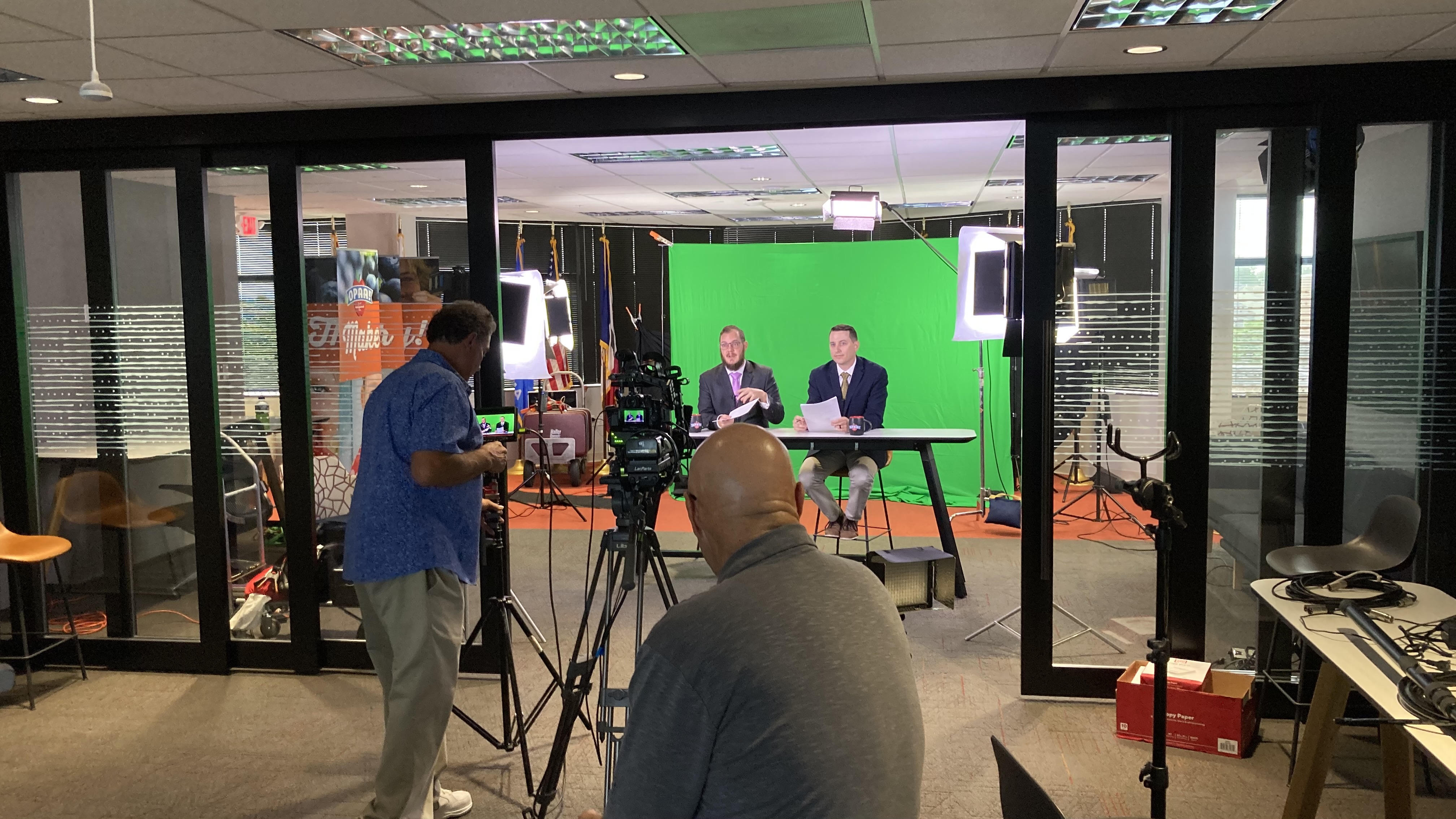
We are well-versed in all file types and styles of media and the accompanying software. Our private studio lighting and visual setup is perfect for small productions and interview scenes, with enough space to incorporate props and round out your set. We provide comprehensive services, from private custom interview studio setups to supplying sound and camera operators. Our specialized drones can even be flown indoors.
As a full-service video and photography production company, St Louis Camera Crew has worked with numerous businesses, marketing firms, and agencies in the St. Louis area for their corporate photography and video needs. We pride ourselves on our ability to help with every part of your production, ensuring that your next video project is perfect.
In summary, when you choose St Louis Camera Crew, you are partnering with a team that is dedicated to delivering high-quality, customized, and impactful testimonial videos that will elevate your brand and resonate with your audience. Let us help you tell your clients’ stories in the most engaging way possible.
Sit-down interviews are a cornerstone of many video productions, whether you’re creating a corporate promotional video, a documentary, or an instructional piece. They offer a chance to capture authentic insights, emotions, and expertise from the interviewee, making them a powerful tool for engaging your audience. However, a successful sit-down interview requires careful planning and preparation to ensure everything goes smoothly on the day of the shoot. Here’s how you can prepare for a sit-down interview with a camera crew:
Consider factors such as lighting, background noise, and distractions.
1. Define Your Goals and Audience
Before you even begin planning the logistics of the interview, it’s essential to clearly define your objectives. What message do you want to convey? Who is your target audience? Understanding these aspects will inform the questions you ask and the tone of the interview.
2. Select the Right Location
Choose a quiet and visually appealing location for the interview. Consider factors such as lighting, background noise, and distractions. If possible, scout the location in advance to address any potential issues.
3. Coordinate Logistics
Communicate with the camera crew well in advance to discuss logistics such as equipment setup, lighting requirements, and any special considerations. Ensure that everyone involved understands their roles and responsibilities for a smooth operation on the day of the shoot.
4. Prepare the Interviewee
Provide the interviewee with an overview of the topics you’ll be covering and any specific questions you plan to ask. Encourage them to familiarize themselves with the key points they want to convey, but also reassure them that the interview will be conversational and relaxed.
5. Plan Your Questions
Craft a list of open-ended questions that will prompt detailed responses from the interviewee. Avoid yes/no questions, as they can limit the depth of the conversation. Be prepared to deviate from your script based on the interviewee’s responses to keep the conversation natural and engaging.
6. Set Up the Interview Space
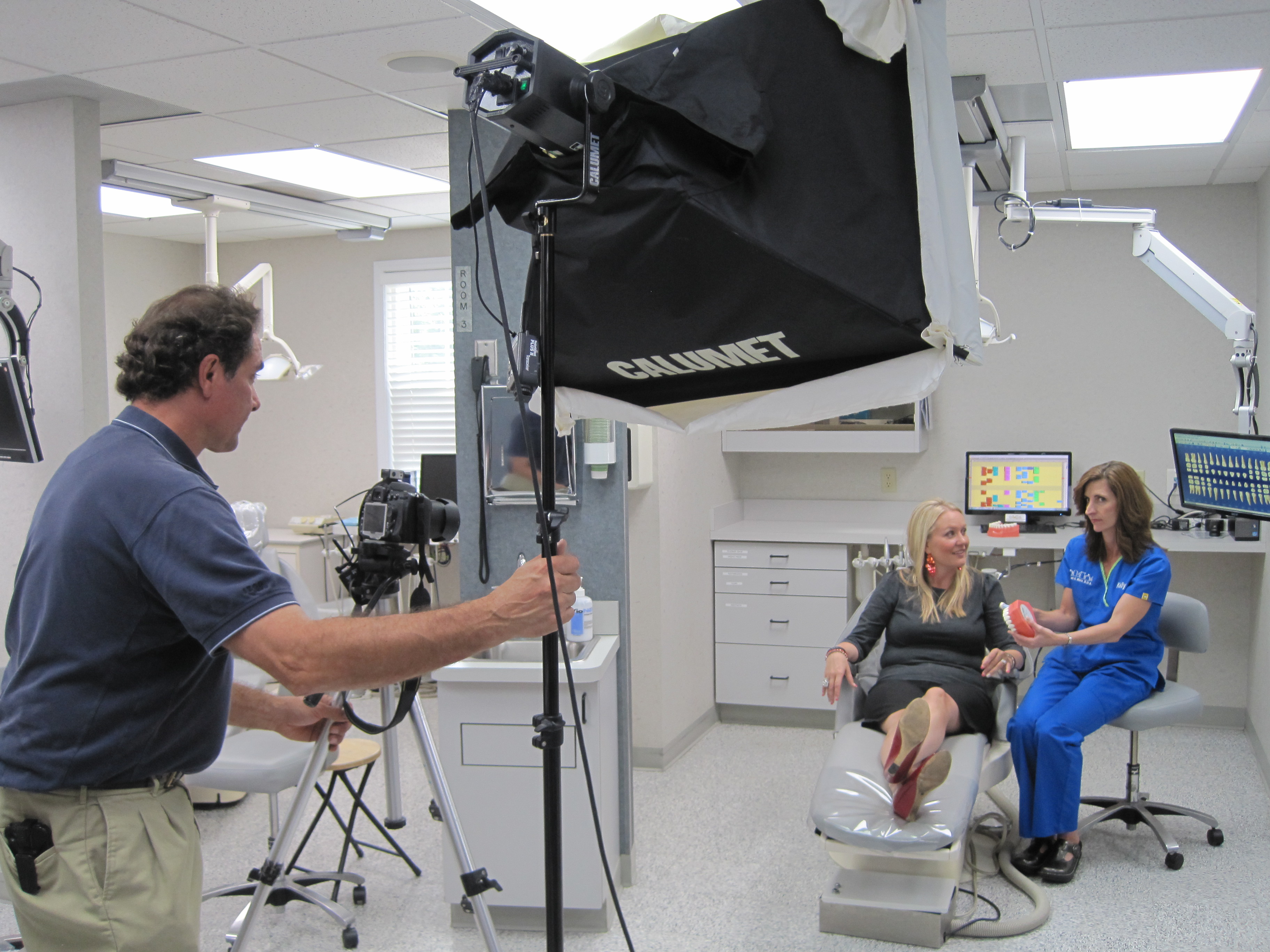
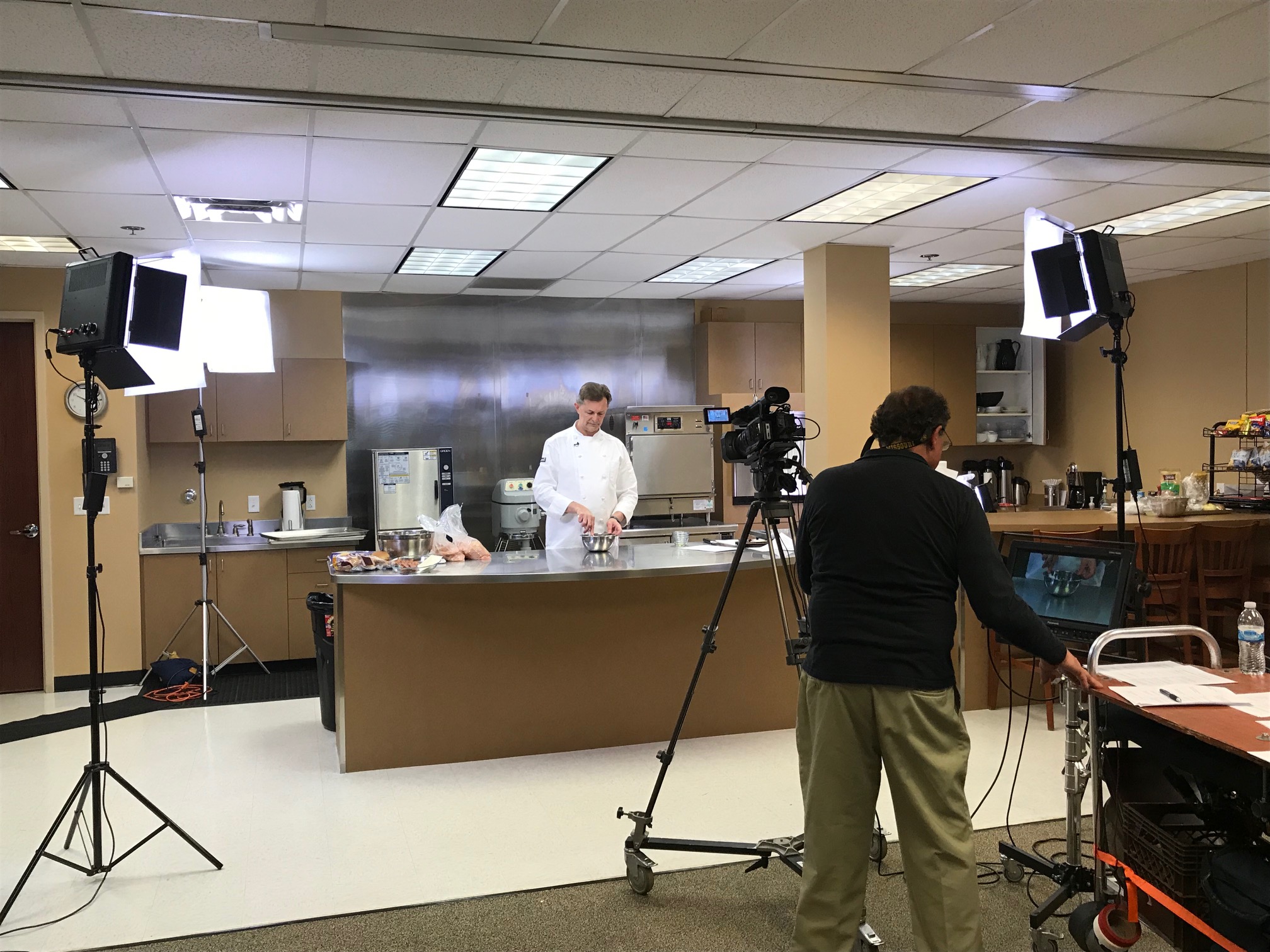
On the day of the shoot, arrive early to set up the interview space. Test the lighting, audio equipment, and camera angles to ensure everything is functioning correctly. Arrange the seating and background to create a visually appealing frame for the interview.
7. Conduct a Test Run
Before the interview begins, do a test run with the interviewee to check audio levels, camera framing, and any other technical aspects. This will help identify and address any issues before the official recording begins.
8. Relax and Be Flexible
Despite your thorough preparation, unexpected challenges may arise during the interview. Stay calm, flexible, and adaptable to ensure a successful outcome. Remember that the goal is to capture authentic and meaningful content, even if it deviates slightly from your original plan.
Conclusion
Preparing for a sit-down interview with a camera crew requires careful planning, coordination, and attention to detail. By defining your goals, selecting the right location, coordinating logistics, preparing the interviewee, planning your questions, setting up the interview space, conducting a test run, and remaining flexible, you can ensure a smooth and successful interview experience.
At St Louis Camera Crew, we understand the importance of professional video production for businesses and organizations. With our experienced team, state-of-the-art equipment, and commitment to excellence, we provide full-service commercial photography and video production tailored to your specific needs. From studio setups to on-location shoots, editing, post-production, and licensed drone operations, we have the expertise and resources to bring your vision to life. Contact us today to discuss how we can elevate your next video production project.
St Louis Camera Crew: St Louis Camera Crew is a full-service professional commercial photography and video production company with the right equipment and creative crew service experience for successful image acquisition. We offer full-service studio and location video and photography, as well as editing, post-production, and licensed drone pilots. St Louis Camera Crew can customize productions for diverse types of media requirements, including repurposing photography and video branding for maximum impact. With expertise in all file types and styles of media and accompanying software, our private studio lighting and visual setup are perfect for small productions and interview scenes. Whether you need a private custom interview studio set up, sound and camera operators, or specialized indoor drone operations, we have everything to make your next video production perfect. Our portfolio includes collaborations with businesses, marketing firms, and agencies in the St. Louis area for their corporate photography and video needs.
Whether you’re promoting a product, showcasing an event, or telling your brand’s story, professional video interviews and candid photography are indispensable tools. They offer a dynamic way to engage your audience and leave a lasting impression.
Establish a rapport with your interviewees to make them feel at ease. Encourage natural conversation and active listening to capture authentic responses.
Understanding the Importance
Video interviews and candid photography serve as powerful storytelling mediums. They allow you to convey authenticity, emotion, and depth, which can significantly enhance your brand’s narrative. Additionally, they provide valuable content for various marketing channels, including websites, social media platforms, and promotional materials.
Preparing for the Shoot
1. Storyboarding and Scripting
Before diving into the shoot, it’s essential to plan out your content. Create a storyboard outlining the shots you need and the narrative flow of your video interviews. If scripted, ensure that your questions are clear, concise, and tailored to evoke meaningful responses from your subjects.
2. Location Scouting
Choose a location that aligns with your brand and the tone of your content. Whether it’s a corporate office, event venue, or outdoor setting, consider factors such as lighting, acoustics, and ambiance. Scout the location beforehand to address any logistical challenges and optimize the shooting environment.
3. Equipment Setup
Invest in high-quality equipment to achieve professional results. This includes cameras, lenses, microphones, and lighting gear. Test your equipment prior to the shoot to ensure everything is functioning correctly and make any necessary adjustments based on the shooting environment.
Shooting Techniques
1. Video Interviews
Composition: Frame your subjects with care, ensuring they are centered and well-lit. Pay attention to background elements to maintain visual coherence.
Interviewee Comfort: Establish a rapport with your interviewees to make them feel at ease. Encourage natural conversation and active listening to capture authentic responses.
Lighting: Utilize natural light whenever possible, but supplement with artificial lighting as needed to enhance visibility and eliminate shadows.
Sound Quality: Use high-quality microphones to capture clear audio. Minimize background noise and echo by selecting a quiet, controlled environment for filming.
2. Candid Photography
Capture Emotion: Look for candid moments that convey emotion and authenticity. Be discreet while shooting to avoid disrupting the natural flow of events.
Composition: Experiment with angles and perspectives to create visually compelling images. Pay attention to framing and the rule of thirds to add interest to your photos.
Timing: Anticipate key moments and be ready to capture them in real-time. Stay alert and observant to seize spontaneous opportunities for impactful shots.
Post-Processing: Enhance your photos through post-processing techniques such as color correction, cropping, and retouching. Maintain a consistent visual style to reinforce your brand identity.
Post-Production
1. Video Editing
Assembly: Arrange your interview footage in a cohesive sequence that follows your storyboard. Trim unnecessary content and focus on conveying your key messages effectively.
Graphics and Transitions: Incorporate graphics, lower thirds, and transitions to enhance visual appeal and reinforce branding elements.
Audio Enhancement: Fine-tune audio levels and apply noise reduction techniques to ensure clarity and consistency throughout the video.
2. Photography Editing
Culling and Selection: Review your candid photos and select the best shots that align with your storytelling objectives.
Color Correction: Adjust color balance, exposure, and contrast to enhance visual impact and maintain consistency across your photo set.
Retouching: Address any imperfections or distractions in your photos through retouching techniques such as blemish removal and object removal.
Conclusion
Shooting professional video interviews and candid photography at events requires careful planning, technical expertise, and creative vision. By following the guidelines outlined in this guide, you can elevate your visual content and effectively communicate your brand’s message to your audience.
Remember, consistency is key in maintaining a cohesive brand identity across all your marketing channels. Whether you’re producing corporate videos or capturing candid moments at events, strive for excellence in every aspect of your visual content creation process.
At St Louis Camera Crew, we understand the intricacies of producing professional video interviews and candid photography for businesses and organizations. With our experienced team of photographers, videographers, and editors, we offer full-service solutions tailored to your specific needs. From conceptualization to post-production, we’re dedicated to delivering high-quality imagery that resonates with your audience and enhances your brand’s visibility. Contact us today to learn more about how we can elevate your visual storytelling efforts.
In the realm of business, establishing trust and credibility with potential clients is paramount. One of the most effective ways to achieve this is through authentic customer testimonials. These testimonials serve as powerful endorsements, providing genuine insight into the quality of your products or services. However, capturing compelling testimonials that truly resonate with your audience can be a challenging endeavor. In this article, we’ll explore the importance of customer testimonials and the benefits they bring to your business.
Our on-site shoots are meticulously planned and executed to deliver authentic testimonials that showcase your brand in the best possible light.
The Power of Testimonials
Customer testimonials offer a unique perspective on your business, showcasing real-life experiences and successes. Unlike traditional marketing materials, testimonials carry a sense of authenticity that resonates with potential clients. When presented with positive testimonials from satisfied customers, prospects are more likely to trust your brand and consider your offerings. Moreover, testimonials humanize your brand, making it more relatable and trustworthy in the eyes of your audience.
Remote Video Testimonials
Remote video testimonials have gained popularity in recent years due to their cost-effectiveness and convenience. However, while they may seem like a budget-friendly option, the quality of remote testimonials often falls short. These testimonials can feel scripted and lack the authenticity that resonates with viewers. Additionally, they may not feature the ideal customer demographic, diluting their impact on your target audience.
On-Site Video Testimonials
On the other hand, on-site video testimonials offer a higher level of authenticity and production quality. By capturing testimonials in a controlled environment, you can ensure that the content aligns with your brand image and messaging. However, traditional on-site shoots come with their own set of challenges, including high costs, lengthy planning processes, and scheduling conflicts.
Our Approach
At St Louis Camera Crew, we understand the importance of authentic testimonials in building trust and credibility. That’s why we offer exceptional quality remote and on-site video testimonial services tailored to your unique needs.
Remote Video Testimonials: While remote testimonials may be cost-effective, we ensure that the end results meet the highest standards of quality. Our team works closely with clients to capture genuine testimonials that resonate with viewers and drive brand awareness.
On-Site Video Testimonials: Our on-site shoots are meticulously planned and executed to deliver authentic testimonials that showcase your brand in the best possible light. We minimize disruptions to your customers’ schedules while maximizing the impact of their testimonials.
Why Choose Us
As a full-service professional commercial photography and video production company, St Louis Camera Crew has the expertise and resources to elevate your brand through impactful testimonials. Whether you require remote or on-site testimonial services, we have the right equipment and creative crew to ensure successful image acquisition.
Our proven process ensures that your testimonials are not only cost-effective and fast to make but also authentic and compelling. By leveraging our services, you can bridge trust gaps between your company and your audiences, ultimately driving more conversions and closing deals faster.
Call to Action: As a full-service video and photography production company, St Louis Camera Crew has worked with many businesses, marketing firms, and agencies in the St. Louis area for their corporate photography and video. Contact us today to learn how we can help you capture exceptional testimonials that make a lasting impact on your audience.
Remember, capturing compelling testimonials is not just about showcasing satisfied customers—it’s about building trust, credibility, and ultimately, driving business growth. Choose St Louis Camera Crew for testimonials that leave a lasting impression.
Contact us to get started on your testimonial journey today.
In the realm of commercial video production, the shooting day stands as a crucial juncture where meticulous planning meets real-world execution. Directors shoulder the responsibility of ensuring that the vision translates seamlessly onto the screen while contending with numerous challenges that can arise unexpectedly. From managing talent and equipment to weathering unforeseen setbacks, the shooting day presents a myriad of obstacles that demand deft navigation. In this article, we delve into some of the common challenges faced by directors on shooting days for business videos and explore strategies to overcome them.
Establishing a visual reference guide and adhering to a predetermined aesthetic can help guide decision-making and maintain consistency throughout the shoot.
1. Managing Time Constraints
Time is a precious commodity on shooting days, often constrained by tight schedules and finite resources. Directors must meticulously orchestrate each aspect of the production to optimize efficiency without sacrificing quality. Delays can cascade, affecting subsequent shots and potentially derailing the entire schedule. To mitigate this challenge, thorough pre-production planning is paramount, encompassing detailed shot lists, realistic timelines, and contingency plans for unforeseen circumstances.
2. Coordinating Talent and Crew
Ensuring seamless coordination among talent and crew members is essential for a smooth shooting day. Directors must communicate effectively to convey their vision while fostering a collaborative environment conducive to creativity. Clear direction, rehearsals, and regular briefings can help streamline the process and maximize productivity. Additionally, having a competent and cohesive crew can alleviate much of the logistical burden, allowing directors to focus on bringing their vision to life.
3. Navigating Technical Challenges
Technical glitches are an inevitable aspect of video production, ranging from equipment malfunctions to unforeseen lighting issues. Directors must possess a comprehensive understanding of the technical aspects of filmmaking to troubleshoot effectively and maintain momentum. Furthermore, having backup equipment on standby and conducting thorough equipment checks prior to shooting can help preempt potential disruptions.
4. Adapting to Environmental Factors
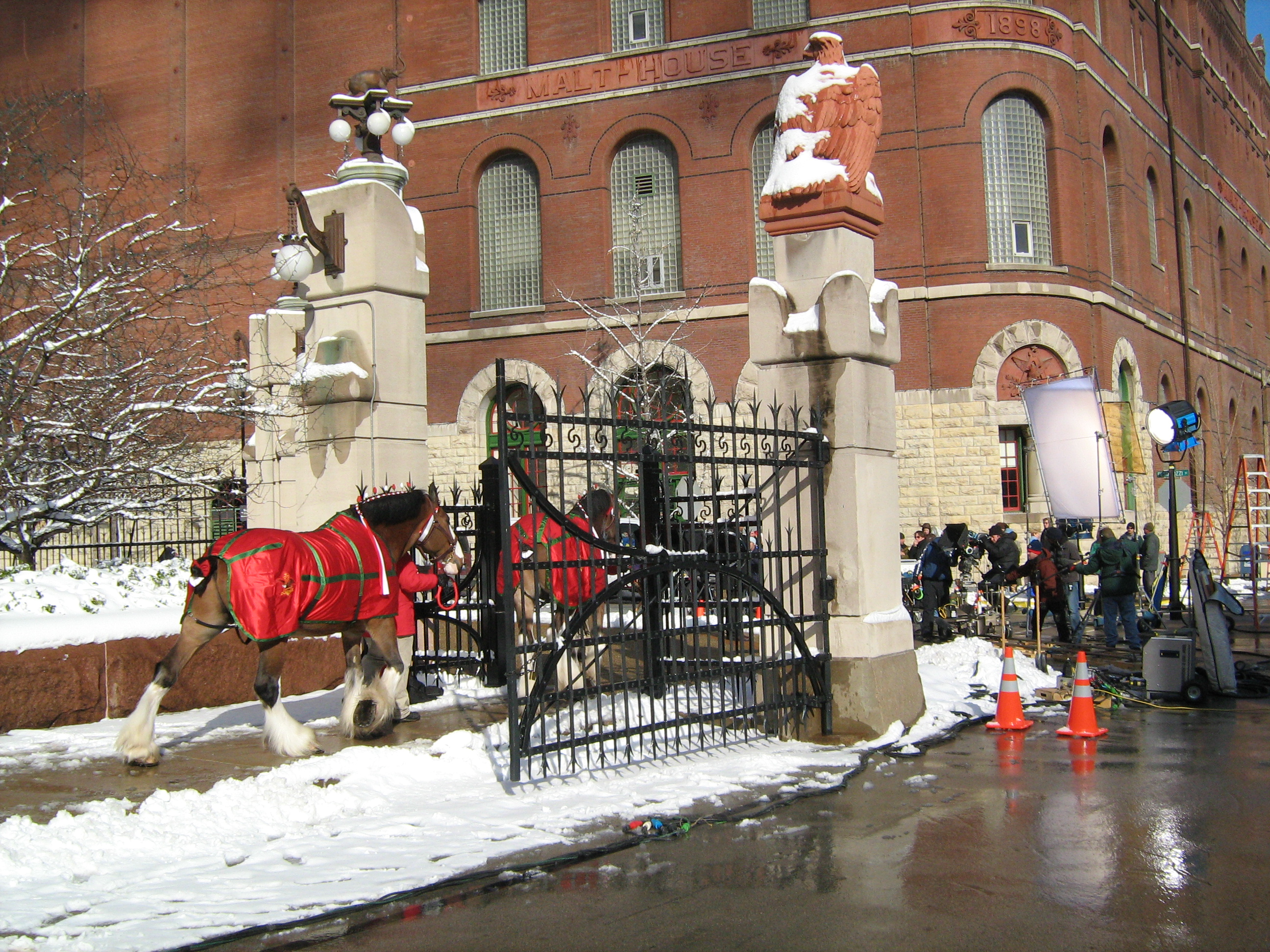
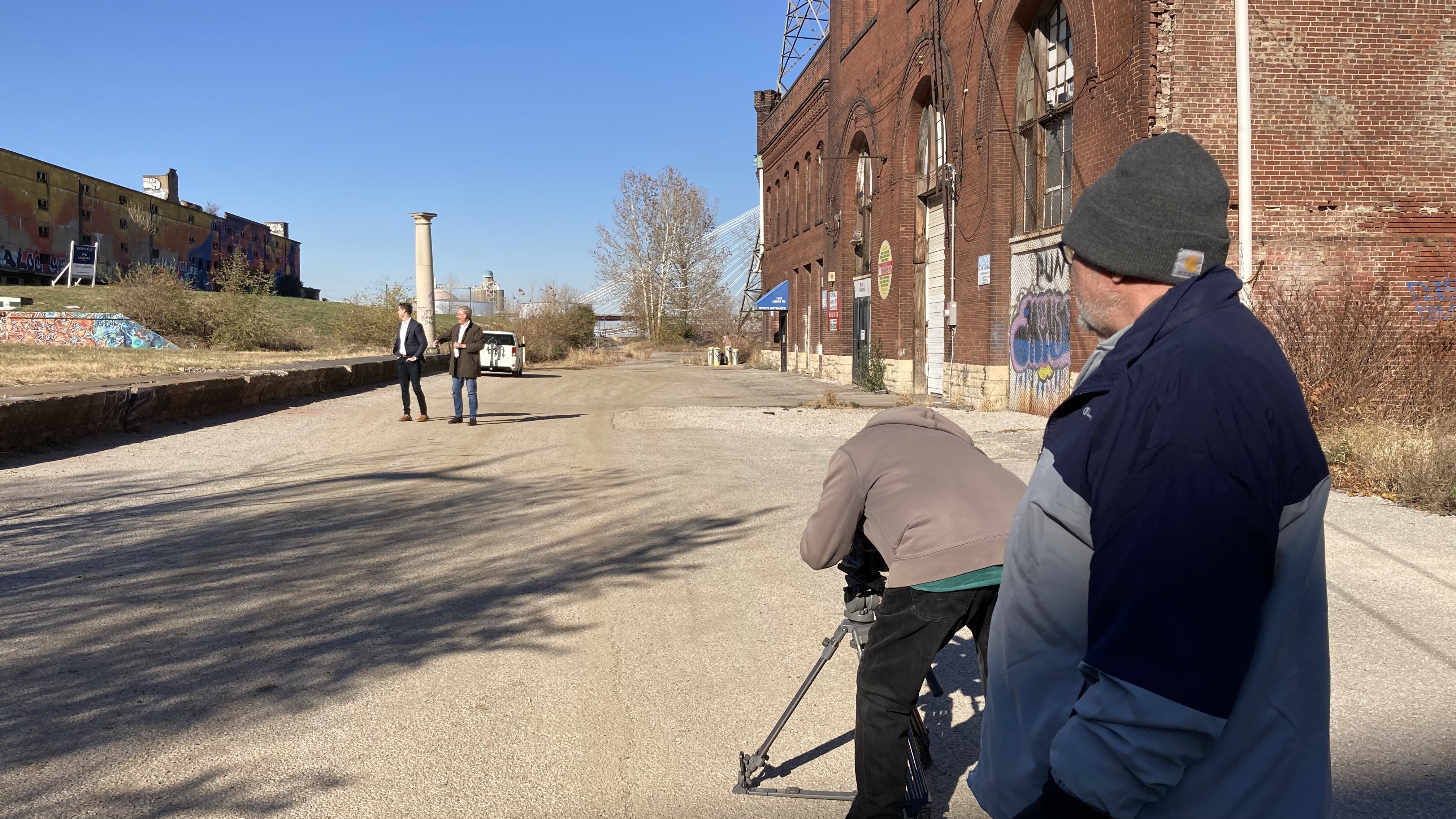
Outdoor shoots are particularly susceptible to environmental factors such as inclement weather, fluctuating light conditions, and ambient noise. Directors must remain adaptable and resourceful, ready to pivot their approach to accommodate changing circumstances. Monitoring weather forecasts, scouting backup locations, and utilizing supplementary lighting equipment can help mitigate the impact of adverse conditions on the shoot.
5. Ensuring Consistency in Visual Style
Maintaining consistency in visual style and continuity across shots is crucial for preserving the cohesiveness of the final product. Directors must pay meticulous attention to details such as framing, lighting, and camera angles to ensure a seamless transition between scenes. Establishing a visual reference guide and adhering to a predetermined aesthetic can help guide decision-making and maintain consistency throughout the shoot.
6. Managing Client Expectations
Client involvement adds another layer of complexity to the shooting day, as directors must balance their creative vision with the client’s expectations and feedback. Clear communication, transparency, and regular updates are essential for fostering a collaborative partnership and ensuring alignment between all stakeholders. Additionally, providing clients with opportunities for input and feedback can help cultivate a sense of ownership and investment in the project.
Overcoming Challenges with St Louis Camera Crew
Navigating the myriad challenges of shooting days for business videos requires experience, expertise, and a comprehensive understanding of the intricacies of commercial production. At St Louis Camera Crew, we specialize in providing full-service professional commercial photography and video production solutions tailored to meet the diverse needs of our clients. With our state-of-the-art equipment, seasoned creative crew, and extensive experience in conference documentation, we are equipped to handle the complexities of shooting days with precision and professionalism.
Our services encompass full-service studio and location video and photography, editing, and post-production, allowing us to deliver polished and impactful visual content that resonates with audiences. Moreover, we excel in repurposing photography and video branding to maximize traction across various media platforms, leveraging our proficiency in all file types and styles of media and accompanying software.
As a trusted partner for businesses, marketing firms, and agencies in the St. Louis area, St Louis Camera Crew has a proven track record of delivering exceptional corporate photography and video solutions that elevate brands and exceed expectations. Whether you require comprehensive conference documentation or customized productions tailored to your specific requirements, we have the expertise and resources to bring your vision to life.
Contact St Louis Camera Crew today to learn more about how we can elevate your business video productions and overcome the challenges of shooting days with confidence and creativity.
In the ever-evolving world of visual media, storytelling through videography has emerged as a powerful and influential medium. As experienced video producers at St. Louis Camera Crew, we understand the significance of narrative videography styles in capturing the essence of a story, whether it’s for commercials, documentaries, corporate videos, or any other form of visual content. In this comprehensive article, we’ll delve into the various narrative videography styles that can elevate your productions and leave a lasting impact on your audience.
Corporate storytelling style integrates elements of storytelling to convey a company’s mission, values, and successes.
Understanding Narrative Videography
At its core, narrative videography is about telling a compelling story through the lens of a camera. It’s a fusion of art and technology, where creativity meets technical expertise. The goal is to engage viewers emotionally, transport them into the world you create, and make them feel connected to the content. Achieving this requires a deep understanding of narrative videography styles, each with its unique characteristics and applications.
1. Classic Narrative Style
The classic narrative style is the foundation of storytelling in videography. It follows a linear structure with a clear beginning, middle, and end. This style is commonly used in feature films, short films, and even commercials where a straightforward storyline is essential. Key elements include character development, conflict resolution, and a well-defined plot.
2. Documentary Style
Documentary-style videography aims to capture real-life events, people, and stories in a raw and unscripted manner. It often involves interviews, on-location shooting, and candid moments. This style is ideal for conveying authenticity and providing viewers with a glimpse into the real world. It’s frequently employed in documentaries, news reports, and reality TV.
3. Experimental or Avant-Garde Style
For those looking to push the boundaries of storytelling, the experimental or avant-garde style offers a playground of creative possibilities. This style focuses on visual aesthetics, symbolism, and abstract concepts. It challenges traditional narrative structures and aims to provoke thought and emotion through unconventional means.
4. Narrative Commercial Style
In the world of advertising, narrative commercial style is the go-to choice for creating memorable brand stories. These videos often feature relatable characters, relatable situations, and a clear message. The challenge is to convey a brand’s values and products/services within a limited timeframe while engaging the audience effectively.
5. Corporate Storytelling Style
Corporate videos have evolved beyond the conventional, dry presentations. Corporate storytelling style integrates elements of storytelling to convey a company’s mission, values, and successes. It helps build a stronger connection with the audience, making them more receptive to the company’s message.
6. Music Video Style
Music videos are a unique form of narrative videography. They blend music and visuals to create a captivating experience. Music video style can vary widely, from narrative-driven storytelling to abstract, artistic interpretations of songs. It’s all about enhancing the music’s impact through visuals.
7. Short Film Style
Short films are a testament to the power of concise storytelling. They often focus on a single idea, theme, or character, making every frame and moment count. Short film style allows for experimentation and creativity within a limited duration, making it a fantastic training ground for filmmakers.
8. Animation and Motion Graphics Style
Animation and motion graphics are not limited by the constraints of the physical world. This style allows for the creation of fantastical narratives, visual metaphors, and complex storytelling in a visually engaging manner. It’s widely used in explainer videos, educational content, and advertisements.
The Role of Equipment and Crew
Achieving excellence in narrative videography styles requires not only creative vision but also the right equipment and a skilled crew. At St. Louis Camera Crew, we take pride in being a full-service professional commercial video studio equipped with state-of-the-art gear and a talented team of videographers, directors, and editors.
High-Quality Equipment
Our arsenal includes the latest cameras, lenses, lighting equipment, and sound recording gear. We understand that the choice of equipment plays a pivotal role in capturing the visual essence of your narrative. From cinematic 4K cameras for stunning visuals to top-tier audio equipment for crystal-clear sound, we ensure that every aspect of your production is of the highest quality.
Experienced Crew
Our team consists of experienced professionals who are passionate about their craft. Whether you need expert cinematographers, skilled directors, proficient scriptwriters, or meticulous editors, our crew members have the expertise to bring your vision to life. Their creative insights and technical proficiency ensure that your narrative videography project is executed flawlessly.
Comprehensive Services
St. Louis Camera Crew is not just a video production company; we offer a comprehensive range of services to cater to diverse media requirements. Our services include:
Studio and Location Video and Photography: Whether you prefer the controlled environment of a studio or the authenticity of on-location shooting, we have the capabilities to meet your needs.
Editing and Post-Production: The magic of storytelling often happens in the editing room. Our skilled editors use cutting-edge software to craft your narrative, add visual effects, and enhance the overall quality of your production.
Customized Productions: We understand that every project is unique. That’s why we work closely with our clients to tailor our services to their specific goals, ensuring that the final product aligns perfectly with their vision.
Media Repurposing: In today’s fast-paced digital landscape, repurposing your content for various platforms is crucial. Our expertise extends to repackaging and optimizing your videography and photography content for maximum reach and impact.
Technical Proficiency
St. Louis Camera Crew is well-versed in all file types and styles of media, along with the accompanying software. Whether you require high-definition video, 3D animation, or interactive multimedia, we have the technical know-how to deliver outstanding results. Our proficiency extends to industry-standard software suites, including Adobe Creative Cloud, Final Cut Pro, and DaVinci Resolve, ensuring that your project is in capable hands from start to finish.
Conclusion
In the world of narrative videography, the ability to tell a compelling story is a skill that can make all the difference. At St. Louis Camera Crew, we pride ourselves on our experience and expertise in creating captivating narratives through videography. With top-of-the-line equipment, a skilled and passionate crew, and a comprehensive range of services, we are committed to delivering exceptional results for our clients.
As a full-service video and photography production company, St. Louis Camera Crew has worked with many businesses and agencies in the St. Louis area for their corporate photography and video. Whether you’re looking to create a narrative-driven commercial, a documentary-style corporate video, or anything in between, we have the right equipment and creative crew service experience to bring your vision to life. Contact us today to discuss your videography and photography needs and let us help you tell your story like never before.
In the world of video production, there are various styles and techniques that can be employed to create impactful and engaging content. One such style that has gained popularity in recent years is “Run and Gun” videography. As experienced video producers at St. Louis Camera Crew, we understand the nuances and challenges of this approach, and in this comprehensive guide, we’ll delve deep into the art of Run and Gun videography.
Create short, engaging clips from your footage to share on social media platforms.
What is Run and Gun Videography?
Run and Gun videography is a style of video production that prioritizes flexibility, speed, and spontaneity. It’s a versatile approach that is often used in documentary filmmaking, news reporting, event coverage, and even certain types of commercials. The key to Run and Gun videography is being able to adapt quickly to changing circumstances while capturing compelling and visually appealing footage.
The Advantages of Run and Gun Videography
Flexibility: Run and Gun videography allows for quick adjustments to changing situations. Whether you’re covering a live event or capturing candid moments, this style gives you the freedom to adapt on the fly.
Authenticity: Run and Gun videography often results in more authentic and unscripted footage. It can capture genuine reactions, emotions, and moments that might be missed in more structured shoots.
Cost-Effective: This approach can be more budget-friendly compared to large-scale productions. It requires less equipment and crew, making it accessible to a wider range of clients.
Efficiency: Run and Gun videography is known for its efficiency. With a small crew, you can cover a lot of ground in a short amount of time, which can be particularly valuable for time-sensitive projects.
Adaptability: This style is perfect for situations where you don’t have complete control over the environment, such as at events or in crowded public spaces. It allows you to work with what’s available.
The Challenges of Run and Gun Videography
While Run and Gun videography offers many advantages, it also comes with its fair share of challenges:
Limited Control: With less time for pre-planning and setup, you have limited control over lighting, audio, and composition. This can sometimes result in less polished footage.
Equipment Choice: Selecting the right equipment is crucial. You need gear that is portable, versatile, and can handle a range of shooting conditions.
Stabilization: Maintaining stable footage can be challenging, especially when shooting on the move. Using stabilizers, gimbals, or even handheld techniques is essential.
Audio Quality: Capturing high-quality audio can be tricky in run and gun situations. External microphones and wireless audio setups are often necessary.
Storytelling: Crafting a coherent narrative can be challenging when working in a fast-paced, unscripted environment. It requires a keen eye for storytelling and adaptability.
The Run and Gun Videography Process
Now that we’ve explored the concept and pros and cons of Run and Gun videography, let’s dive into the step-by-step process of creating compelling content using this approach:
1. Pre-Production Planning
While Run and Gun videography is known for its spontaneity, some level of pre-production planning is still essential. Here’s what you should consider:
Storyboard: Create a loose storyboard or shot list. This will serve as a guideline but should remain flexible.
Equipment Selection: Choose lightweight, portable gear that can handle various shooting conditions. This includes cameras, lenses, stabilizers, and audio equipment.
Location Scouting: If possible, scout the locations in advance to get an idea of lighting and audio challenges.
Permits and Releases: Ensure you have the necessary permits for shooting in public spaces and obtain release forms from any individuals who will appear in your video.
2. Shooting Techniques
Successful Run and Gun videography relies on a set of specific shooting techniques:
Handheld Shooting: Embrace handheld shooting techniques to maintain mobility and capture dynamic footage. Practice steadying your shots to avoid excessive shakiness.
Natural Lighting: Make the most of available natural light. Avoid elaborate lighting setups and rely on your camera’s low-light capabilities when necessary.
Audio Capture: Invest in external microphones or wireless audio systems to capture clear and high-quality audio. Pay attention to ambient noise and wind interference.
Quick Setup: Be prepared to set up and break down your equipment quickly. Time is often limited, and you don’t want to miss crucial moments.
3. Adaptability and Creativity
In the field, adaptability and creativity are your greatest assets. Here are some tips for staying agile:
Follow the Action: Be ready to pivot and follow the action as it unfolds. Don’t be afraid to change your planned shots if something more interesting is happening.
Engage with Subjects: Interact with the people you’re filming. Building a rapport can lead to more genuine and relaxed moments on camera.
Use Natural Framing: Look for natural frames within your environment, such as doorways or windows, to create visually appealing shots.
Experiment with Angles: Try shooting from different angles and perspectives to add variety to your footage.
4. Post-Production and Editing
Once you’ve captured your footage, the post-production process becomes critical:
Organization: Carefully label and organize your clips to streamline the editing process.
Storytelling: Craft a narrative from the footage you’ve gathered. Use interviews, voiceovers, and on-screen text to tie everything together.
Color Correction: Correct any color imbalances and ensure consistency in your footage.
Audio Enhancement: Improve audio quality during the editing process by removing noise, adjusting levels, and adding music or sound effects where necessary.
Transitions: Use smooth transitions to connect scenes and maintain the flow of your video.
Review and Feedback: Seek feedback from colleagues or clients to refine your edit.
5. Repurposing Your Run and Gun Content
One of the strengths of Run and Gun videography is its adaptability even after shooting. Here are some ways to repurpose your content:
Social Media Clips: Create short, engaging clips from your footage to share on social media platforms.
Behind-the-Scenes Content: Use behind-the-scenes footage to give your audience a glimpse into the creative process.
Documentary Series: If you’ve captured a significant amount of footage, consider turning it into a multi-part documentary series.
Promotional Videos: Use snippets from your shoot to create promotional videos for your clients or organization.
B-Roll Library: Build a library of B-roll footage that can be used in future projects.
St. Louis Camera Crew: Your Run and Gun Videography Experts
At St. Louis Camera Crew, we understand the ins and outs of Run and Gun videography. With the right equipment and a creative crew experienced in this style, we have successfully produced impactful content for numerous clients in the St. Louis area.
Our Services
As a full-service video production company, we offer a wide range of services to meet diverse creative needs:
Studio and Location Video: Whether you need to shoot in our studio or on location, we have the expertise to create compelling video content.
Post-Production Editing: Our post-production team is skilled at turning raw footage into polished and engaging videos.
Still Photography: In addition to videography, we offer still photography services to capture stunning images for your projects.
Specialties
Our experienced videographers, directors, and producers are adept at various aspects of video production:
Talking Heads: We excel at shooting talking head segments, ensuring that your message comes across professionally and effectively.
Interviews and Testimonials: Capture authentic and compelling interviews and testimonials that resonate with your audience.
B-Roll: We understand the importance of B-roll in enhancing your video’s storytelling and visual appeal.
Teleprompters: For a more professional and efficient message delivery, we offer teleprompters to help speakers stay on track.
Call to Action
As a full-service video creation company, St. Louis Camera Crew has collaborated with numerous businesses and organizations in the St. Louis area to bring their creative visions to life. Our experienced team of videographers, directors, and producers is ready to tailor our services to meet your unique video and photography needs.
Whether you’re embarking on a Run and Gun videography project or require assistance with a different style of production, we have the expertise and equipment to deliver exceptional results. Contact us today to discuss your next project and discover how St. Louis Camera Crew can elevate your video and photography productions to the next level. Don’t miss the opportunity to create impactful and engaging content with our dedicated team by your side.
In the world of video production, a camera crew plays a pivotal role in bringing creative visions to life. Whether you’re a filmmaker, business owner, or content creator, understanding the ins and outs of a camera crew’s role can significantly enhance your video production process. In this comprehensive guide, we will delve into the intricacies of what a camera crew is, what they do, and how they contribute to the creation of memorable videos.
The DP works closely with the camera operator and assistant to capture each shot according to the script and director’s vision.
Table of Contents
Introduction
Roles and Responsibilities
2.1. Director of Photography (DP)
2.2. Camera Operator
2.3. Camera Assistant
2.4. Gaffer
2.5. Grip
Equipment and Gear
3.1. Cameras
3.2. Lenses
3.3. Lighting
3.4. Audio
The Creative Process
Challenges Faced by Camera Crews
Full-Service Commercial Video Production
Conclusion
1. Introduction
A camera crew is a team of skilled professionals responsible for capturing moving images, whether for film, television, commercials, or other forms of visual media. These individuals work in harmony to ensure that every frame is captured with precision, artistry, and technical expertise.
2. Roles and Responsibilities
A typical camera crew comprises several key roles, each with distinct responsibilities. Let’s take a closer look at these roles:
2.1. Director of Photography (DP)
The Director of Photography, often referred to as the DP or cinematographer, is the creative mastermind behind the camera crew. They work closely with the director to translate the visual elements of the script into captivating imagery. Responsibilities of the DP include:
Choosing the camera and lenses that best suit the project’s aesthetic.
Determining the composition, framing, and camera movements for each shot.
Collaborating with the lighting department to achieve the desired mood and atmosphere.
Overseeing the camera crew and ensuring the technical quality of the footage.
2.2. Camera Operator
The camera operator is the person physically operating the camera during a shoot. They are responsible for executing the DP’s vision by framing shots, adjusting focus, and operating the camera smoothly. Key duties of a camera operator include:
Maintaining a steady hand and a keen eye for framing and composition.
Adjusting camera settings, such as aperture, shutter speed, and ISO, as needed.
Collaborating closely with the DP to achieve the desired visual style.
Ensuring the camera is in optimal working condition throughout the shoot.
2.3. Camera Assistant
Also known as the 1st Assistant Camera (1st AC) or focus puller, the camera assistant plays a critical role in ensuring that shots are in focus and camera equipment is well-maintained. Their responsibilities include:
Pulling focus during shots to keep subjects sharp and clear.
Monitoring and maintaining camera equipment, including lenses and accessories.
Assisting with camera setup and breakdown.
Managing the loading and unloading of film or digital media.
2.4. Gaffer
The gaffer is the head of the lighting department and is responsible for creating and controlling the lighting on set. Their duties include:
Collaborating with the DP to design and execute the lighting plan.
Operating lighting equipment, such as lamps, fixtures, and grip equipment.
Adjusting lighting to achieve the desired mood and ambiance for each scene.
Managing the electrical aspects of lighting setups.
2.5. Grip
Grips are the unsung heroes of the camera crew, responsible for handling and rigging various equipment to support the camera and lighting departments. Grip duties include:
Setting up and adjusting camera support systems, such as dollies, cranes, and tripods.
Rigging and positioning lighting fixtures.
Ensuring the safety of equipment and personnel on set.
Assisting with the movement and transportation of equipment.
3. Equipment and Gear
A camera crew relies on a range of specialized equipment and gear to capture high-quality footage. Let’s explore some of the essential items commonly used in video production:
3.1. Cameras
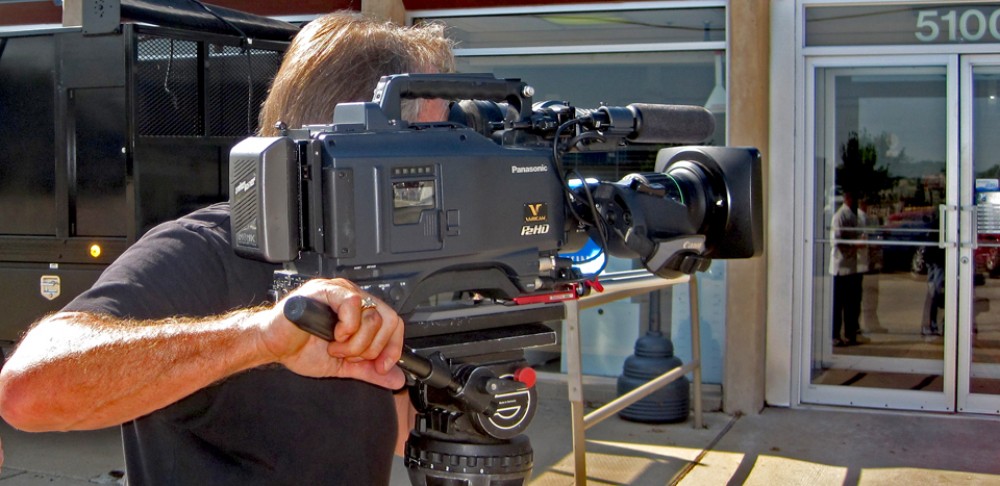
The choice of camera can greatly impact the visual style of a project. Camera crews work with various types of cameras, including digital cinema cameras, DSLRs, and mirrorless cameras. Each camera has unique features and capabilities, making it suitable for different scenarios.
3.2. Lenses
Lenses are a crucial aspect of cinematography, as they determine the depth of field, focal length, and overall look of a shot. Camera crews often have a selection of lenses to choose from, ranging from wide-angle to telephoto, prime to zoom.
3.3. Lighting
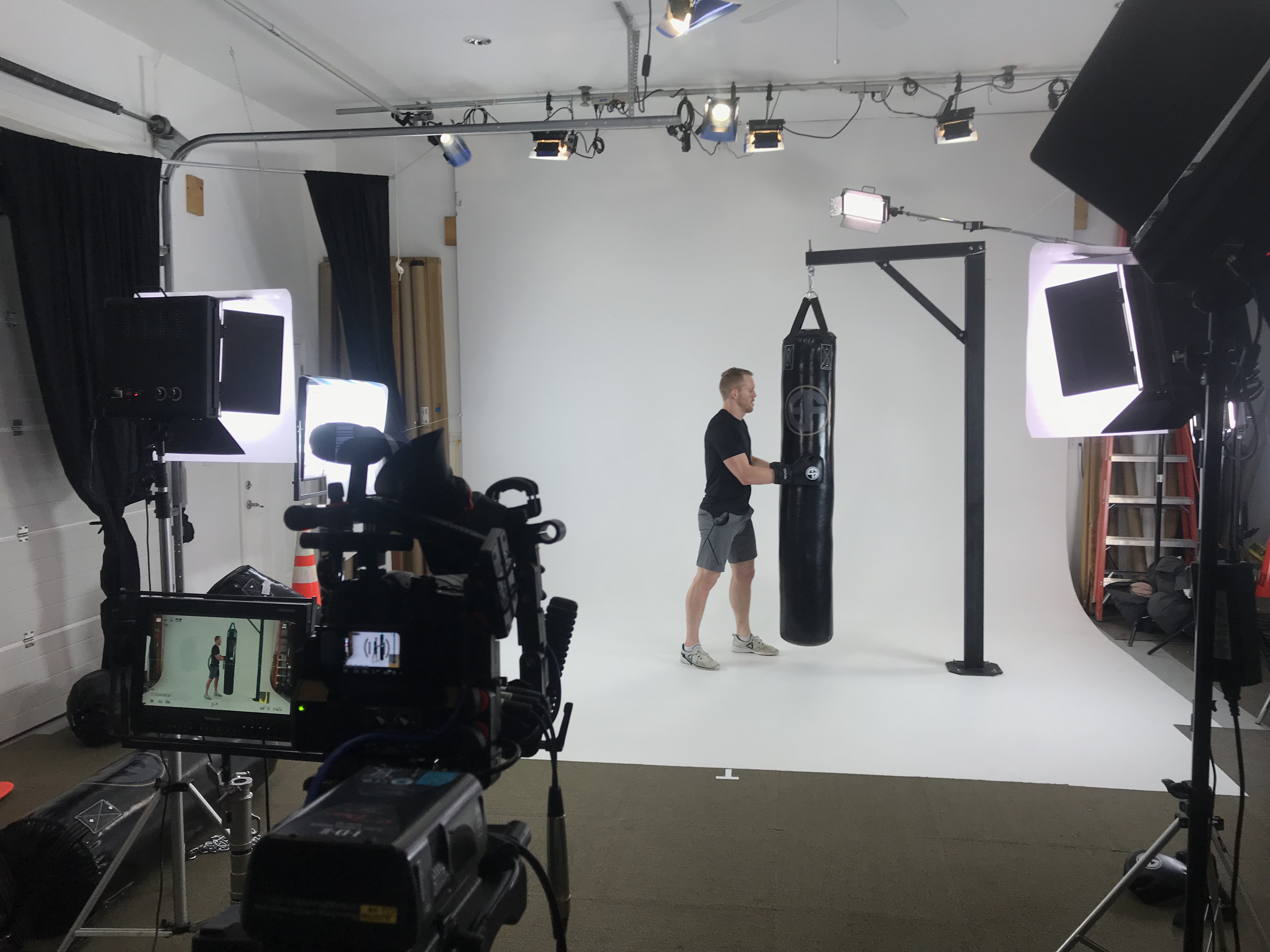
Proper lighting is essential for achieving the desired look and atmosphere in a video. Lighting equipment includes various types of lights, diffusers, reflectors, and modifiers. The gaffer and their team work together to set up and control the lighting on set.
3.4. Audio
While audio production typically involves a separate department, the camera crew must also consider sound capture during the shoot. This may involve using shotgun microphones, lavalier microphones, and audio recorders to ensure high-quality sound.
4. The Creative Process
The collaboration between the camera crew and the creative team is at the heart of successful video production. Here’s how the creative process typically unfolds:
Pre-Production: During this phase, the DP and camera crew work with the director and production team to plan the visual elements of the project. This includes choosing the right equipment, scouting locations, and creating shot lists.
Production: Once on set, the camera crew executes the plan established during pre-production. The DP works closely with the camera operator and assistant to capture each shot according to the script and director’s vision.
Post-Production: After the footage is captured, the camera crew’s role continues as they collaborate with the editing team. They provide input on color correction, visual effects, and other post-production processes to ensure the final product aligns with the intended look.
Feedback and Revisions: Throughout the creative process, the camera crew remains open to feedback and revisions. They work closely with the director and producers to make adjustments as needed to achieve the desired result.
5. Challenges Faced by Camera Crews
Working as a camera crew can be rewarding, but it also comes with its fair share of challenges. These challenges include:
Technical Precision: Camera crews must be highly skilled to ensure that shots are in focus, well-composed, and properly exposed.
Adaptability: Every project is unique, and camera crews must be adaptable to different shooting conditions, equipment, and creative visions.
Long Hours: Shoots often involve long hours, especially in outdoor locations or when tight deadlines are involved.
Communication: Effective communication is essential, as camera crews must understand and execute the director’s vision.
6. Full-Service Commercial Video Production
At St. Louis Camera Crew, we pride ourselves on being a full-service commercial video production company with extensive experience and state-of-the-art equipment. Our team of skilled professionals excels in all aspects of camera crew work, from pre-production planning to post-production collaboration.
What Sets Us Apart:
Extensive Equipment: We boast a wide range of high-quality cameras, lenses, lighting equipment, and audio gear to meet the specific needs of each project.
Broad Crew Experience: Our crew members are seasoned professionals who have worked on a diverse array of projects, from corporate videos to documentaries and commercials.
Full-Service Studio and Location Production: Whether you need a controlled studio environment or on-location shooting, we have the expertise and equipment to deliver exceptional results.
Personal Brand Identity: We understand the importance of creating videos that align with your brand identity. We offer customization options and ensure that your videos are optimized for various media platforms with proper SEO.
Media Expertise: Our team is well-versed in handling all file types and styles of media, ensuring that your final product is of the highest quality and meets industry standards.
7. Conclusion
In conclusion, a camera crew is a crucial component of any video production, responsible for bringing creative visions to life. The roles within a camera crew, including the Director of Photography, camera operator, camera assistant, gaffer, and grip, each play a vital part in capturing compelling footage.
At St. Louis Camera Crew, we have the experience, equipment, and expertise to meet all your video production and crewing needs. Whether you require full-service studio production or on-location shooting, we are here to help you create memorable videos that get results. Contact us today to discuss your project and discover how we can bring your vision to life.


















 st louis camera crew