Mastering ENG/EFP Camera Crew Techniques to Enhance Your Marketing Videos

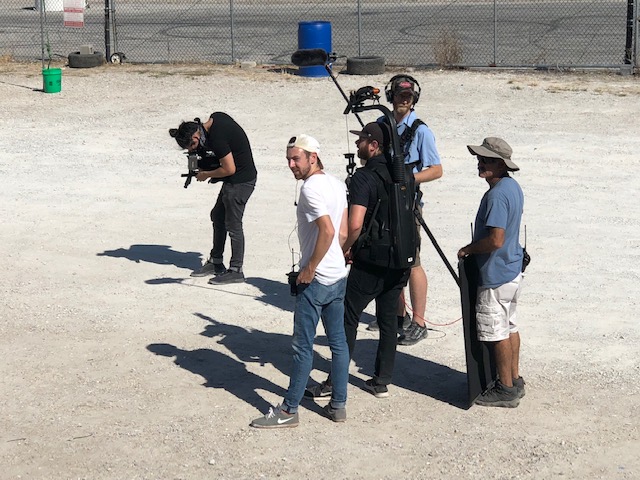
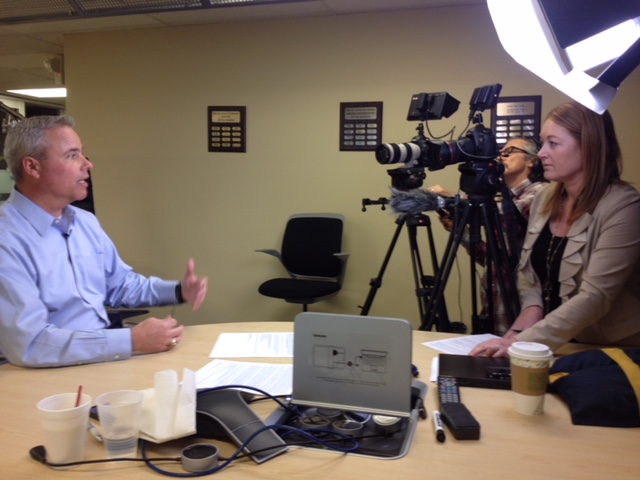
Whether it’s for television commercials, online advertisements, or social media promotions, high-quality video production is essential to capture the attention of your target audience. This is where ENG (Electronic News Gathering) and EFP (Electronic Field Production) camera crews come into play, and mastering their techniques can significantly enhance the impact of your marketing videos.

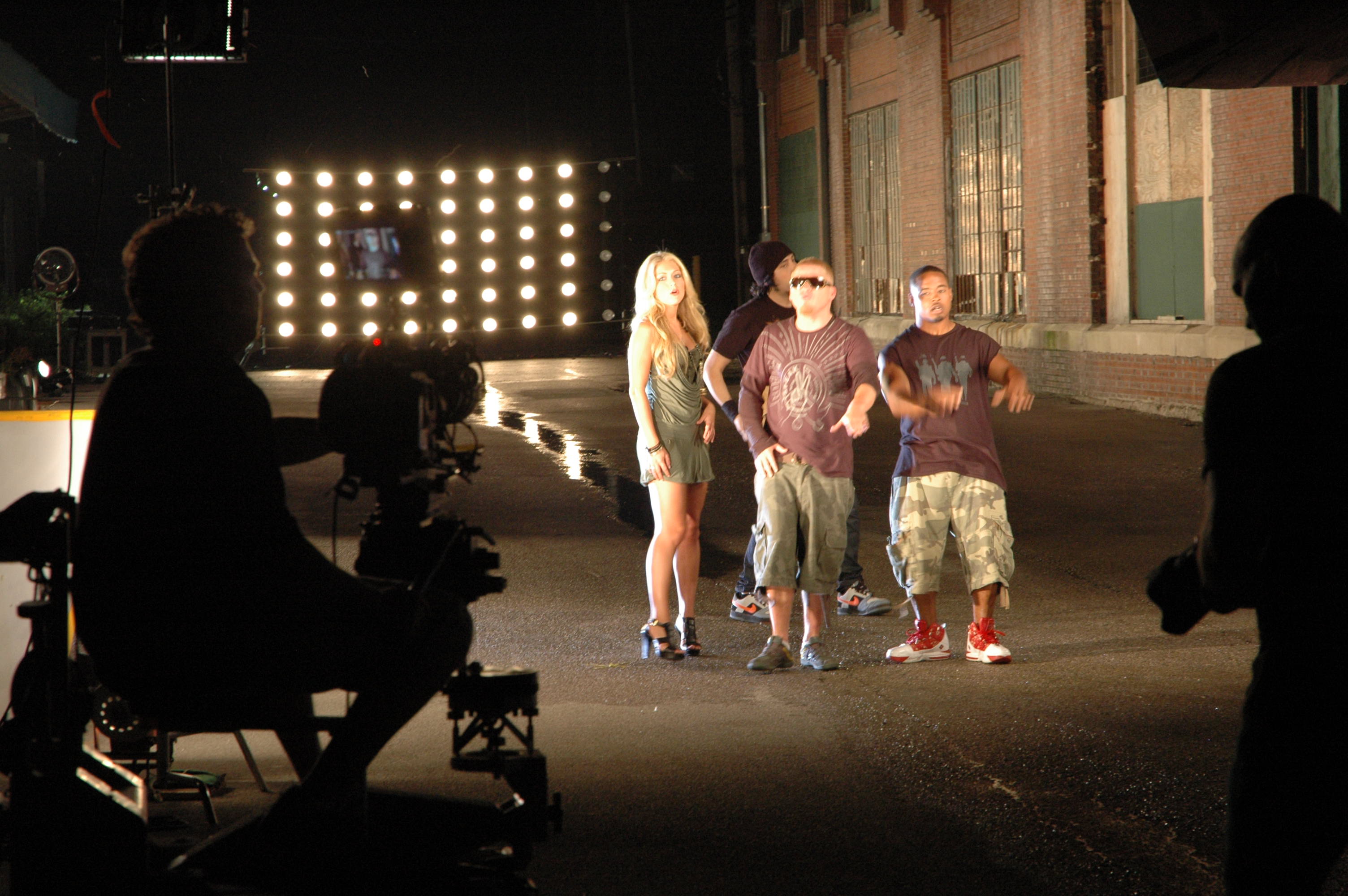
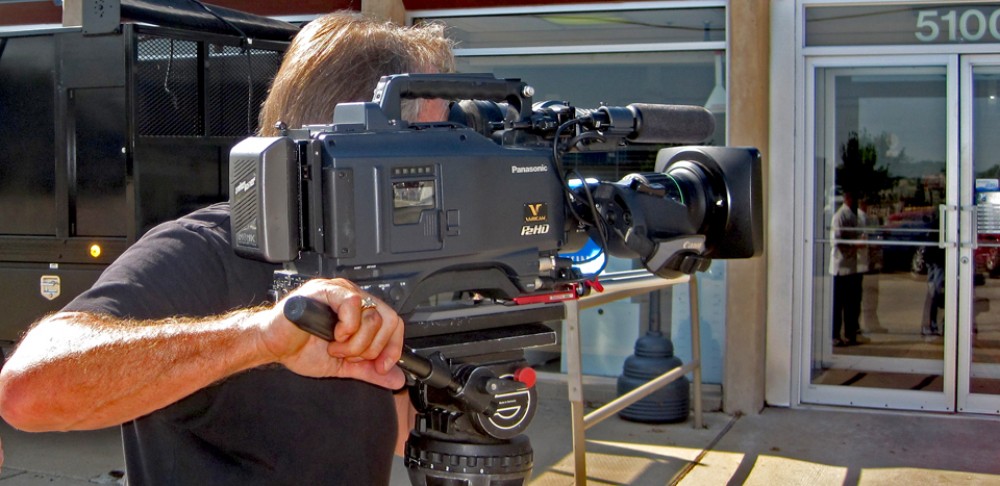
EFP camera crews have the luxury of time and resources to carefully craft the visual elements of a production.

At St. Louis Camera Crew, we take pride in being a full-service video production company based in St. Louis, equipped to meet all your ENG/EFP needs with the perfect gear. With years of experience in location and studio video recording and photography, we understand the intricacies of creating compelling marketing content. In this comprehensive guide, we will delve into the world of ENG/EFP camera crew techniques and how they can elevate your marketing videos to the next level.

Understanding the Basics of ENG/EFP

Before diving into advanced techniques, it’s crucial to have a solid grasp of what ENG and EFP actually entail.

Electronic News Gathering (ENG)

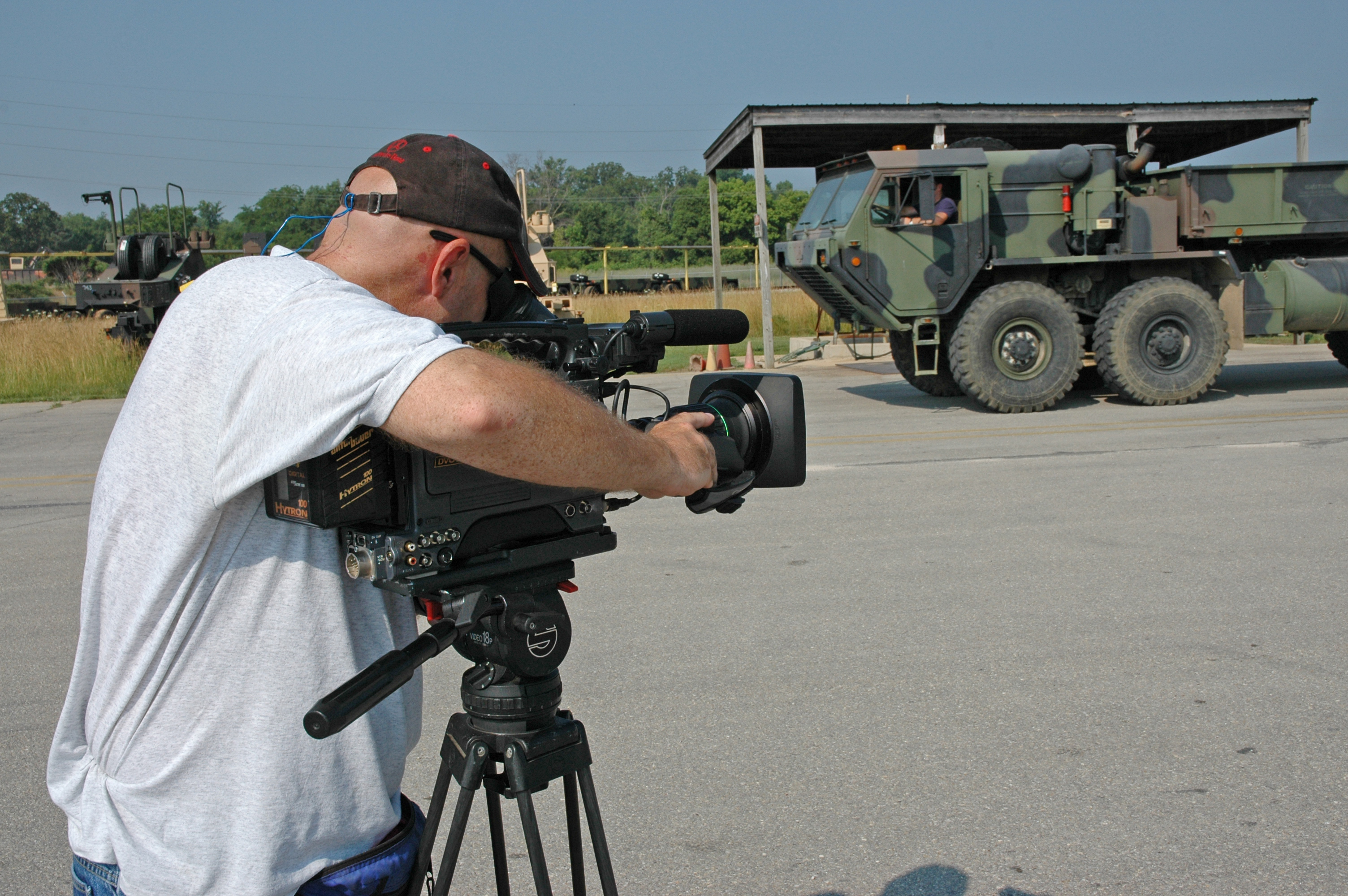
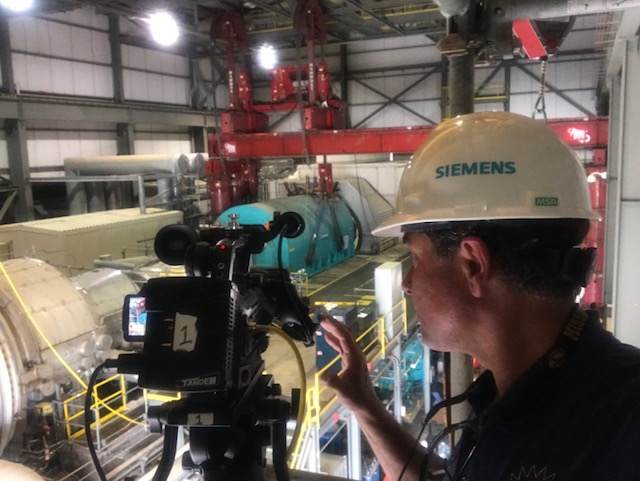
ENG is a term primarily associated with news reporting, where the goal is to capture events as they happen in real-time. ENG camera crews are known for their agility and speed, as they often need to cover breaking news stories and gather footage in dynamic and unpredictable environments.

Key features of ENG include:

  • Lightweight and portable equipment for on-the-go shooting.
  • Quick setup and teardown to respond to rapidly developing situations.
  • Emphasis on capturing the essence of the moment with minimal staging.

Electronic Field Production (EFP)

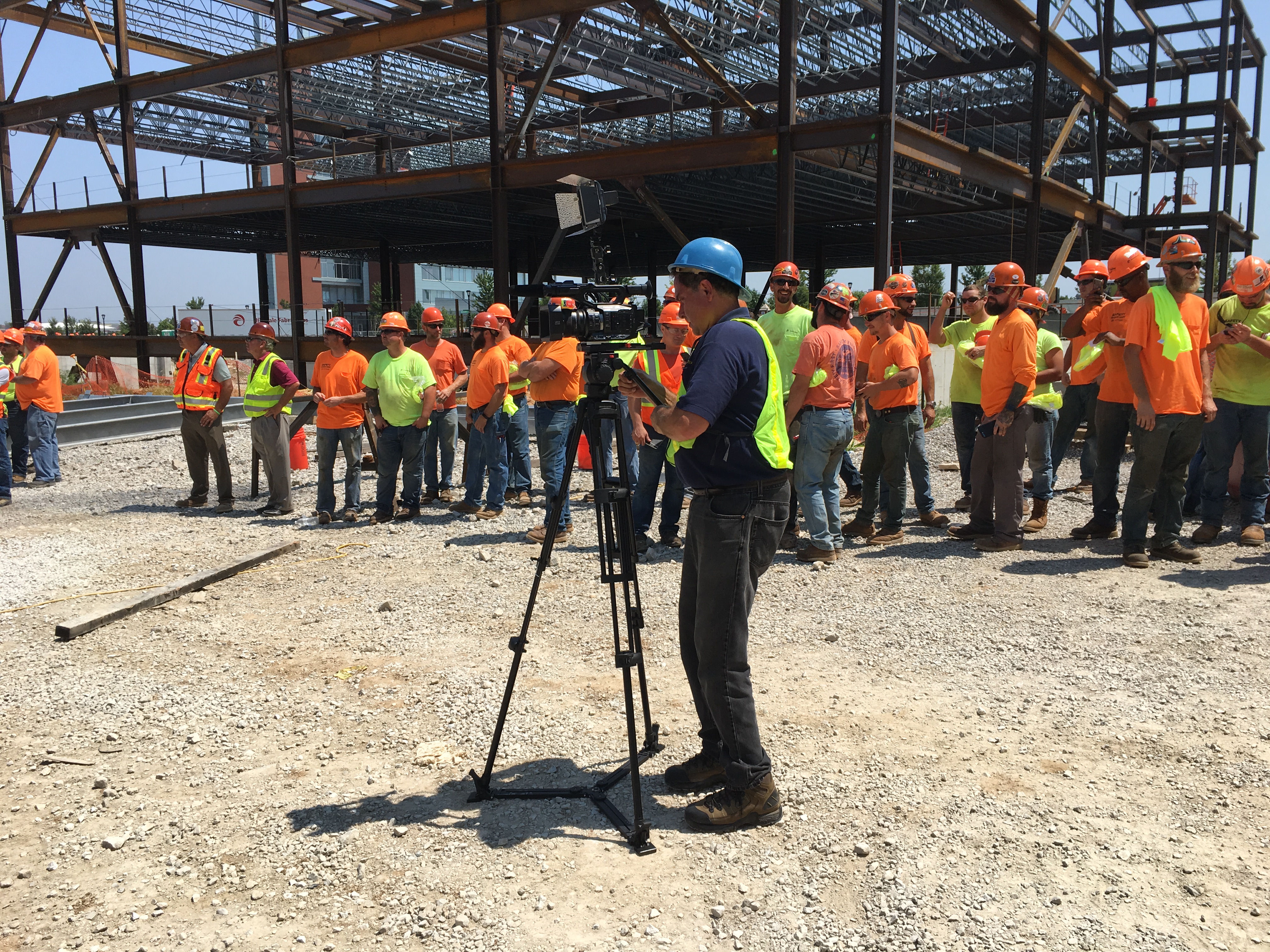
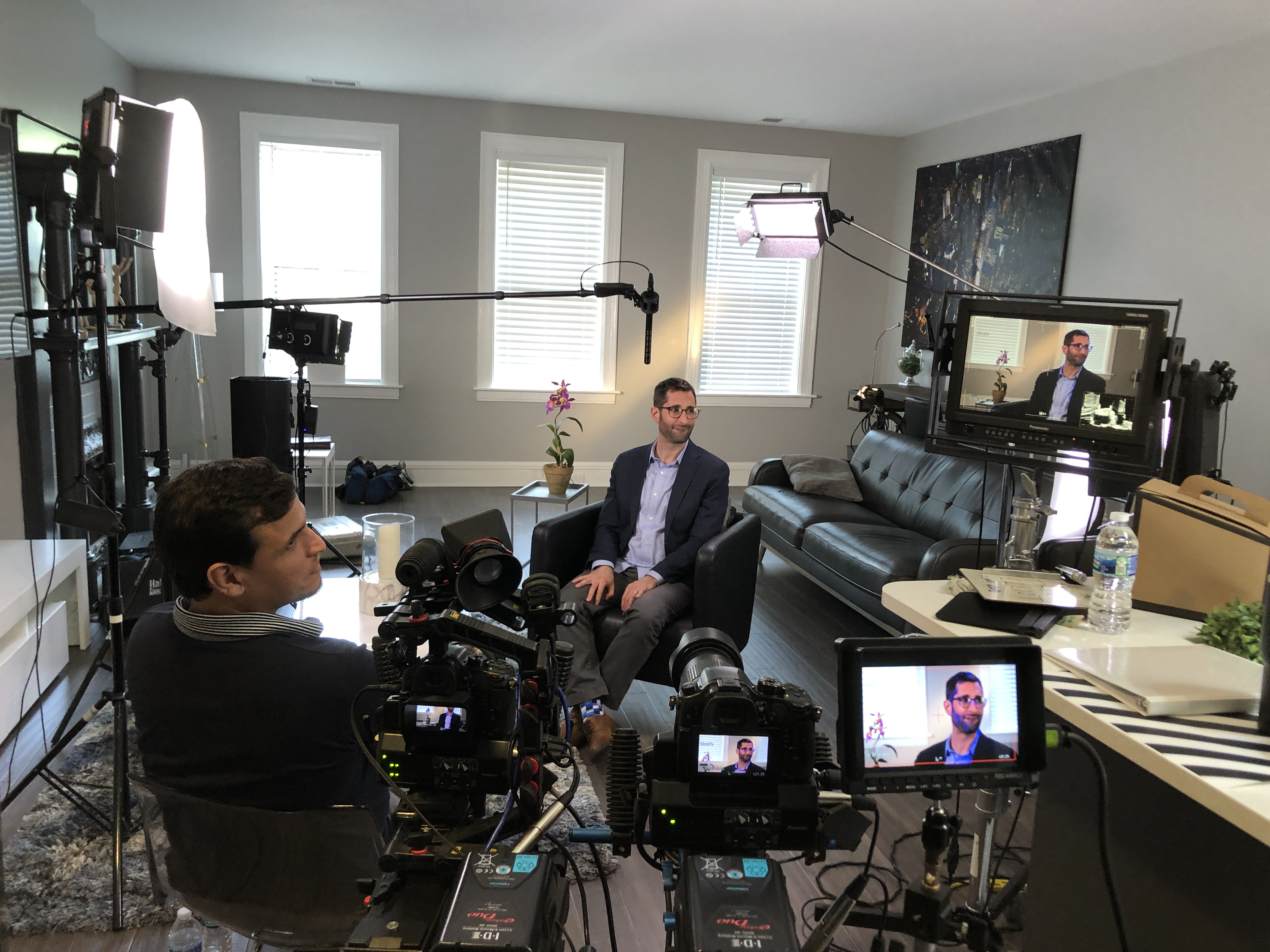
EFP, on the other hand, is more focused on controlled, planned shoots for various purposes, including marketing and advertising. EFP camera crews have the luxury of time and resources to carefully craft the visual elements of a production.

Key features of EFP include:

  • A broader range of equipment options for creative control.
  • Careful pre-production planning and staging for optimal results.
  • The ability to capture a wide array of shots and angles.

Techniques for Elevating Your Marketing Videos

Now that we have a foundation in ENG and EFP, let’s explore some advanced techniques that can enhance your marketing videos and make them stand out in a crowded digital landscape.

1. Dynamic Camera Movements

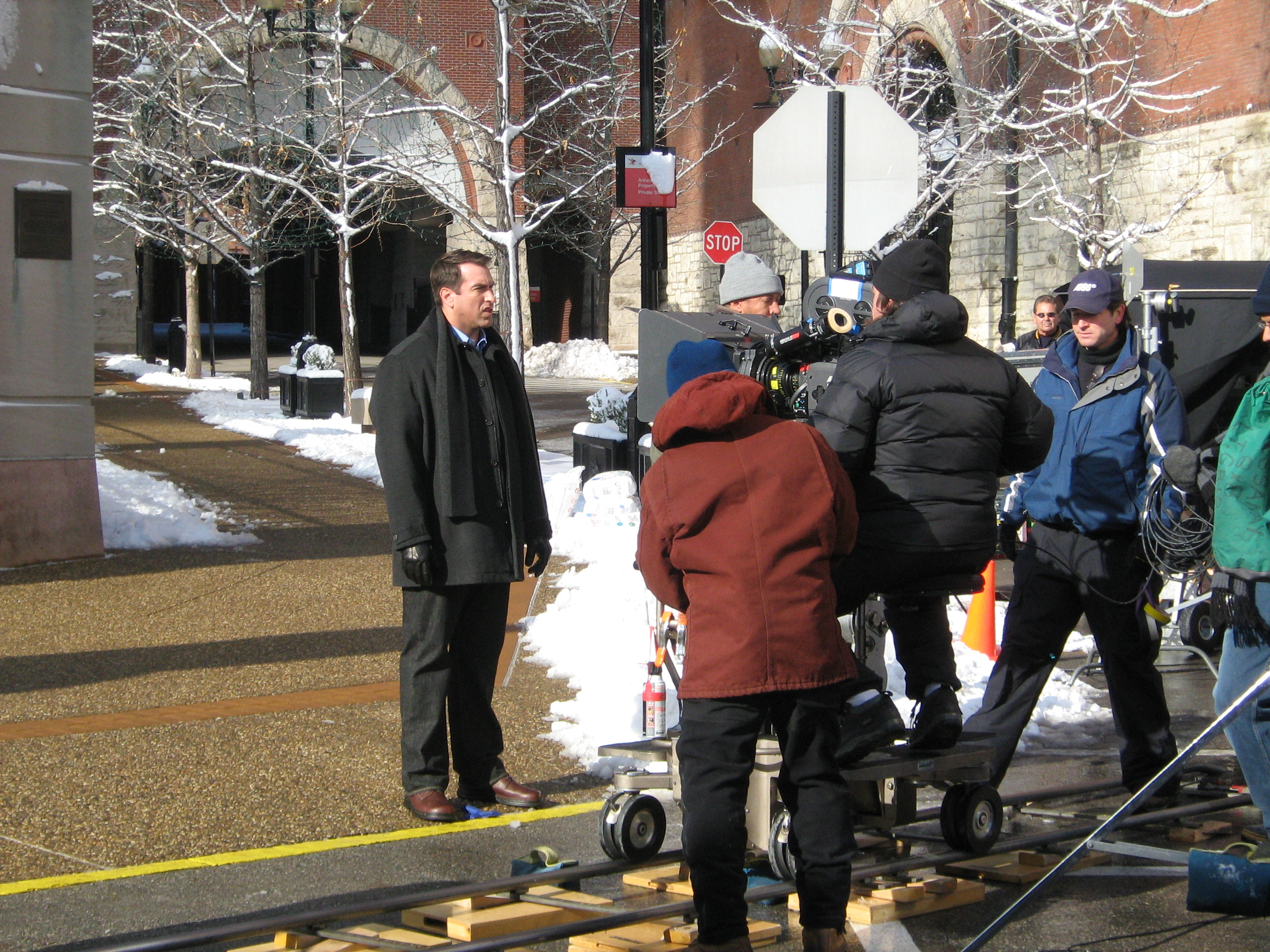
Engage your audience by incorporating dynamic camera movements. Techniques such as tracking shots, dolly movements, and crane shots add cinematic flair to your videos. Our team at St. Louis Camera Crew has the expertise to execute these movements seamlessly, enhancing the visual appeal of your marketing content.

2. Creative Lighting

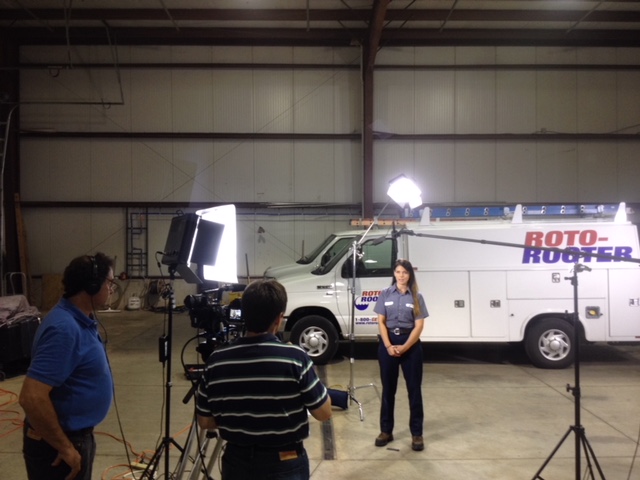
Lighting is a crucial element in video production. Experiment with creative lighting setups to set the mood and tone of your videos. Whether you need dramatic shadows for a suspenseful commercial or soft, flattering light for a product showcase, our experienced crew can deliver the desired effect.

3. Steadicam Operation

Steadicam operation allows for smooth and stable shots even in dynamic environments. It’s a game-changer for capturing action sequences, product demonstrations, or walking interviews. Our skilled operators ensure that your shots are steady and professional.

4. Artful Composition

Composition is the art of framing shots to create visually appealing images. Our camera crew excels in framing shots that draw the viewer’s eye to the focal point and convey your marketing message effectively. From rule of thirds to leading lines, we use proven techniques to compose stunning visuals.

5. Advanced Audio Recording

High-quality audio is just as important as visuals. Our ENG/EFP crews are equipped with top-notch audio recording equipment to capture clear, crisp sound. Whether it’s voiceovers, interviews, or ambient audio, we ensure that every audio element enhances your video.

6. Drone Footage

Aerial shots can provide a unique perspective that captivates your audience. Our drone operators are certified and experienced, enabling us to capture breathtaking aerial footage for your marketing videos.

7. Multi-Camera Setups

For live events, interviews, or product demonstrations, multi-camera setups can add depth and dimension to your videos. Our crews are well-versed in synchronizing multiple cameras to ensure seamless transitions between angles.

8. Post-Production Magic

After capturing your footage, the magic continues in the editing room. Our post-production team has the skills to edit, color grade, and add visual effects to your videos, creating a polished final product that aligns with your brand.

How St. Louis Camera Crew Can Elevate Your Marketing Communication

At St. Louis Camera Crew, we are not just another video production company. We are your partners in bringing your marketing vision to life. Here’s why you should choose us:

  • Extensive Equipment Options: We have a wide range of cutting-edge equipment, from high-end cameras to lighting gear and audio recording devices. This ensures that we have the right tools for every project, no matter the scale or complexity.
  • Experienced ENG/EFP Crews: Our talented ENG/EFP crews have years of experience in the field. They are skilled in capturing the essence of the moment, whether it’s a live event or a scripted commercial.
  • Location and Studio Expertise: We excel in both location and studio video recording and photography. Whether you need to shoot on location or in a controlled studio environment, we have the expertise to deliver outstanding results.

As a full-service video production company, St. Louis Camera Crew has worked with businesses of all sizes in the St. Louis area. We are experts at simultaneously shooting video and photography for your next project.

So, if you’re ready to take your marketing videos to the next level and make a lasting impression on your audience, contact St. Louis Camera Crew today. We’ll work closely with you to understand your goals and deliver videos that exceed your expectations. Don’t settle for ordinary – choose extraordinary with St. Louis Camera Crew. Your marketing success awaits!

314-913-5626

stlouiscameracrew@gmail.com

Guide to Conducting Successful Video Interviews on Location

Are you considering incorporating video interviews into your marketing or promotional efforts? Video interviews are a powerful tool for connecting with your audience, conveying your message, and humanizing your brand. At St. Louis Camera Crew, we’ve been producing top-notch video content since 1982, and we’re here to guide you through the process of conducting successful video interviews on location. In this comprehensive guide, we’ll cover everything from pre-production planning to post-production editing, ensuring that your video interviews leave a lasting impression.

Develop a script that outlines the flow of the conversation and provides guidance to both the interviewer and interviewee.

Introduction

Video interviews offer a dynamic way to engage with your audience, share insights, and tell your story. Whether you’re conducting interviews for customer testimonials, expert opinions, or internal training, the process requires careful planning, technical expertise, and creativity.

At St. Louis Camera Crew, we understand the art and science of video production like no other. With over three decades of experience, we’ve honed our skills in creating captivating video interviews that resonate with viewers. Let’s dive into the essential steps to ensure your video interviews are a resounding success.

Pre-Production Planning

Identifying Your Goals

Before you embark on any video project, it’s crucial to define your goals. What do you hope to achieve with your video interviews? Are you aiming to build trust, educate your audience, or promote a product or service? Understanding your objectives will guide every aspect of the production process.

Selecting the Right Location

Choosing the right location for your video interviews is pivotal. It should align with your goals and enhance the narrative. Whether it’s your office, an outdoor setting, or a rented studio, consider factors like lighting, background noise, and aesthetics.

Choosing the Right Talent

Your choice of talent—interviewees or hosts—can make or break your video interviews. Look for individuals who are knowledgeable, articulate, and passionate about the subject matter. Prepare them for the interview by providing an outline of questions and expected talking points.

Scripting and Question Preparation

A well-structured script and thoughtful questions are the backbone of a successful video interview. Develop a script that outlines the flow of the conversation and provides guidance to both the interviewer and interviewee. Craft questions that encourage informative and engaging responses.

Equipment and Setup

Cameras and Lenses

Invest in high-quality cameras and lenses to capture sharp, professional-looking footage. Consider factors like resolution, frame rate, and lens selection based on your project’s requirements.

Lighting

Proper lighting is essential for achieving a polished look. Use a combination of natural and artificial lighting to illuminate your subjects evenly. Avoid harsh shadows and overexposure.

Audio

Crystal-clear audio is non-negotiable. Use lavalier microphones or shotgun microphones to capture pristine sound. Invest in audio recording equipment and ensure your talent is properly mic’d.

Framing and Composition

Pay attention to framing and composition to create visually appealing interviews. Use the rule of thirds, maintain eye contact, and vary shot types for added interest.

On-Location Tips

Managing the Environment

Control the environment to minimize distractions and ensure a focused interview. Eliminate background noise, secure permissions for shooting, and have backup plans in case of unexpected challenges.

Conducting the Interview

During the interview, maintain a professional and engaging atmosphere. Encourage natural conversation, active listening, and follow-up questions. Make your interviewees feel comfortable and relaxed.

Multiple Takes and Safety Shots

It’s wise to capture multiple takes of critical segments and safety shots to ensure you have enough material for post-production. Don’t rush the process; quality takes precedence over speed.

Post-Production

Video Editing

Video editing is where the magic happens. Edit your footage to create a compelling narrative. Trim unnecessary sections, enhance colors, and maintain a consistent pacing throughout the interview.

Audio Enhancement

In post-production, clean up and enhance your audio tracks. Remove background noise, adjust levels, and add music or sound effects to enhance the viewer’s experience.

Graphics and Text

Incorporate graphics, text overlays, and lower-thirds to provide context and reinforce key points. Consistent branding elements help maintain a professional look.

Adding B-Roll Footage

B-Roll footage, supplemental video clips, and visuals can add depth and context to your interviews. Use B-Roll strategically to emphasize key points and maintain viewer engagement.

Distribution and Promotion

Choosing Platforms

Select the right platforms for sharing your video interviews. Consider YouTube, Vimeo, social media channels, and your website. Tailor your content to each platform’s audience and guidelines.

Optimizing for SEO

Optimize your video titles, descriptions, and tags for search engines. Use relevant keywords to increase discoverability. Engage with your audience through comments and sharing.

Engaging Your Audience

Encourage audience engagement through calls to action, sharing options, and interactive elements. Respond to comments and feedback promptly to build a sense of community.

Conclusion

Conducting successful video interviews on location requires careful planning, technical expertise, and creative storytelling. By following the steps outlined in this guide, you can create compelling video content that resonates with your audience and achieves your goals.

At St. Louis Camera Crew, we bring over four decades of experience to the table. Our team is well-versed in all aspects of video production, from pre-production planning to post-production editing. We understand the nuances of conducting interviews, gathering B-Roll shots, and creating market-enhancing video productions.

Whether you’re a business looking to shoot customer testimonials or an organization seeking expert insights, we have the expertise and equipment to deliver outstanding results. As a creative video production company based in St. Louis, we’ve worked with businesses and organizations of all types and sizes in the area. We excel at shooting testimonials and capturing B-Roll shots that enhance the interview.

Don’t miss the opportunity to leverage the power of video interviews for your business marketing and advertising needs. Contact St. Louis Camera Crew today to learn how we can help you achieve your video production goals.

314-913-5626

stlouiscameracrew@gmail.com

Checklist For Your YouTube Video Channel Optimization

Welcome to the St Louis Camera Crew blog, where we delve into the intricacies of video production, photography, and search engine optimization (SEO). In this comprehensive guide, we will walk you through a checklist for optimizing your YouTube video channel. As experienced video producers and SEO webmasters, we understand the importance of a well-optimized YouTube channel to enhance your corporate branding and business marketing efforts. So, let’s dive in and explore the steps to ensure your YouTube presence is primed for success.

A cohesive brand identity instills trust and professionalism.

Keyword Research

Before you even start creating content, thorough keyword research is essential. Identify relevant keywords and phrases that are not only popular but also align with your content. Tools like Google Keyword Planner and YouTube’s autocomplete can provide valuable insights.

Engaging Thumbnails and Titles

Thumbnails and titles are your first impression on viewers. Craft eye-catching thumbnails that convey the essence of your video. Titles should be clear, concise, and incorporate your main keywords.

Compelling Video Descriptions

Video descriptions are more than just summaries. They are an opportunity to expand on your content and include relevant keywords naturally. Be sure to add links to your website and social media platforms.

Strategic Tags

Tags help YouTube understand the context of your videos. Use a mix of broad and specific tags, including variations of your main keywords. This aids in discoverability and ranking.

Transcripts and Closed Captions

Transcripts and closed captions not only make your videos accessible to a wider audience but also provide textual content for search engines to crawl. This can significantly boost your SEO efforts.

Playlists for Organization

Organize your videos into thematic playlists. Playlists keep viewers engaged longer and can lead to increased views across your content. Include relevant keywords in your playlist titles and descriptions.

Consistent Branding

Branding is vital for recognition. Use consistent colors, fonts, and logos throughout your channel. A cohesive brand identity instills trust and professionalism.

Engagement and Interaction

Engage with your audience through comments and discussions. This not only builds a community but also signals to YouTube that your content is valuable and relevant.

Analytics Monitoring

Regularly review your analytics to understand what’s working and what’s not. Pay attention to metrics like watch time, click-through rates, and audience retention. Adjust your strategy accordingly.

How St Louis Camera Crew Can Elevate Your Corporate Branding and Business Marketing

As a full-service video production and photography studio based in St. Louis, St Louis Camera Crew has the expertise to take your corporate branding and business marketing to the next level. With a wealth of experience, we understand the nuances of creating compelling visual content that resonates with your target audience.

We have successfully produced hundreds of video projects, ranging from corporate profiles and product showcases to promotional videos and event coverage. Our team of skilled professionals is well-versed in all aspects of video production and photography, ensuring a seamless and captivating final product.

One of our strengths lies in harnessing the power of video for search engine optimization (SEO). We have helped numerous large and small businesses and organizations in the St. Louis region enhance their online visibility through strategic video content. By optimizing videos for relevant keywords, crafting engaging descriptions, and utilizing closed captions, we ensure your videos are not only visually appealing but also rank higher in search engine results.

Whether you’re looking to create impactful promotional videos, engaging social media content, or comprehensive brand documentaries, St Louis Camera Crew has the creative flair and technical proficiency to bring your vision to life. Our collaborative approach ensures that your unique brand identity shines through in every frame.

Ready to take your corporate branding and business marketing to new heights? Contact St Louis Camera Crew today and let’s embark on a journey of visual storytelling and digital success.

314-913-5626

stlouiscameracrew@gmail.com

Basic Lighting Techniques When Making Video Content

As a video producer at St Louis Camera Crew, I’ve had the privilege of working on numerous video projects, ranging from corporate commercials to event coverage and everything in between. One thing I’ve learned over the years is the critical importance of lighting in video production. No matter how advanced your camera equipment is or how talented your actors or subjects are, poor lighting can ruin the entire video. In this blog post, I’ll be sharing some basic lighting techniques that will help you create visually stunning and professional-looking video content.

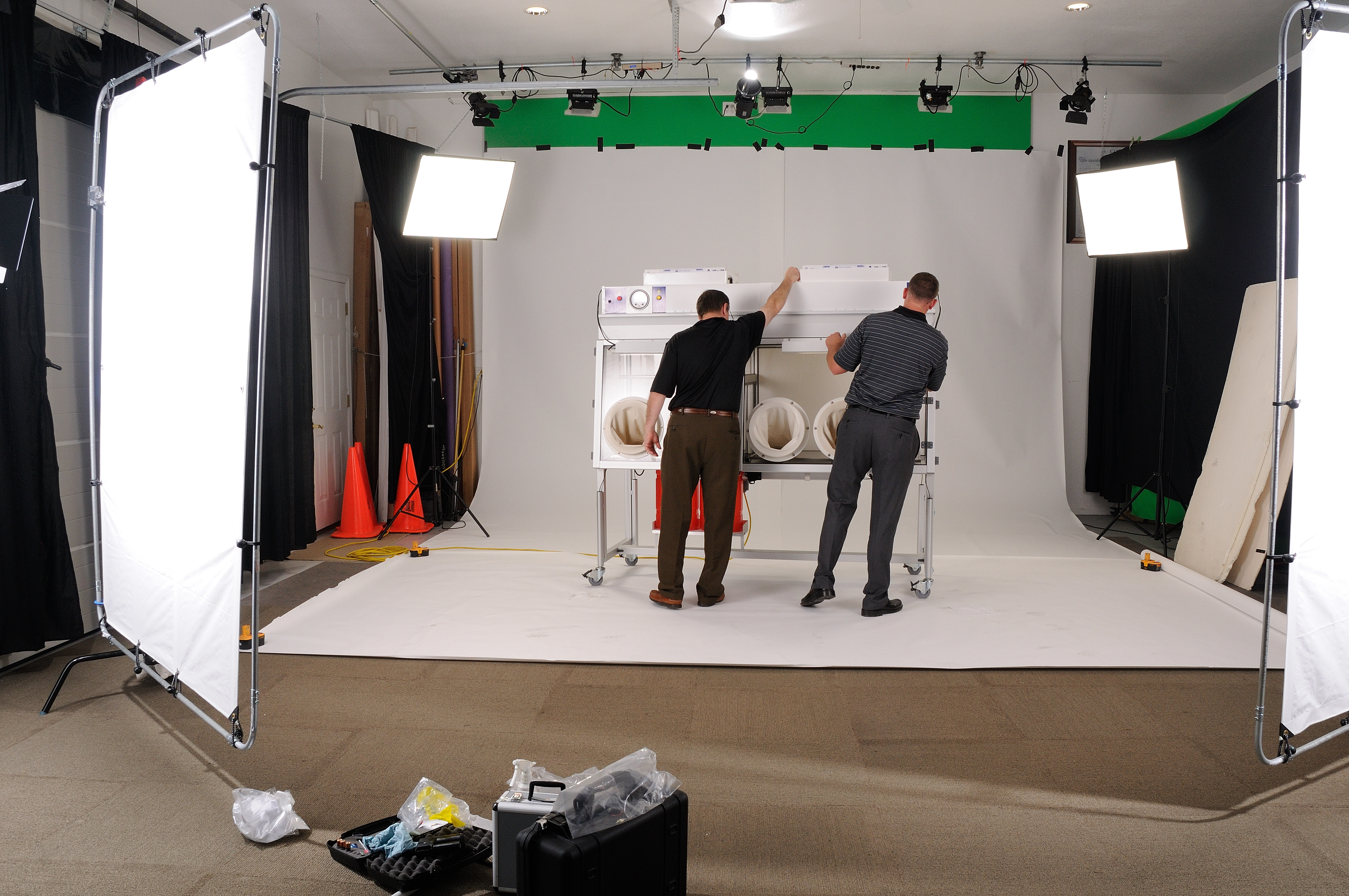
Proper Lighting for the Best Recordings.

Understanding the Three-Point Lighting Setup

One of the fundamental lighting techniques used in video production is the three-point lighting setup. This setup consists of three primary light sources: the key light, the fill light, and the backlight.

Key Light

The key light is the primary light source and serves as the main illumination for your subject. It should be positioned at a 45-degree angle to the subject, slightly above their eye level. This positioning helps create natural shadows and highlights, giving depth and dimension to the subject.

Fill Light

The fill light is used to soften the shadows created by the key light. It is usually placed on the opposite side of the key light, also at a 45-degree angle to the subject. The intensity of the fill light is typically less than that of the key light to maintain a balanced look.

Backlight

The backlight, as the name suggests, is placed behind the subject, aimed at them from a higher angle. This light helps separate the subject from the background, adding a sense of depth to the shot and preventing them from blending into the background.

Embracing Natural Light

While artificial lighting setups are essential for controlled environments, natural light can often be a videographer’s best friend. Shooting outdoors during the golden hour (the hour after sunrise and the hour before sunset) provides a soft, warm glow that can add a beautiful cinematic touch to your videos.

During midday when the sunlight is harsh, seek shaded areas to avoid unflattering shadows on your subject’s face. If you must shoot in direct sunlight, consider using diffusers or reflectors to soften the light and reduce contrast.

Playing with Shadows

Shadows are not always the enemy; they can add drama and depth to your shots when used creatively. Experiment with different lighting angles to cast interesting shadows on your set. You can use gobos (go-betweens) or cutters to shape and control the shadows as per your artistic vision.

Using Practical Lights

Practical lights are lights that are visible within the frame and serve a functional purpose in the scene. For example, lamps, candles, or even a TV screen can act as practical lights. These lights can enhance the realism of the scene and add a touch of ambiance.

Incorporating Color Temperature

Understanding color temperature is crucial in video production. Different light sources emit light at varying color temperatures, measured in Kelvin (K). For instance, daylight has a higher color temperature (around 5600K), while indoor lighting is warmer (around 3200K). It’s essential to balance the color temperatures of your light sources to avoid an unnatural look.

Creating Silhouettes

Silhouettes can be a powerful and artistic way to tell a story visually. To create a silhouette, position your subject between the camera and a strong light source, such as the setting sun or a bright backdrop. Make sure the subject remains in shadow while the background is well-lit. This technique can be particularly effective in emotional or dramatic scenes.

Modifying Light with Diffusion and Softboxes

Sometimes, you might want to soften the harshness of your lights for a more flattering look. Using diffusers or softboxes can help achieve this. Diffusers are translucent materials placed in front of the light source to scatter and soften the light, reducing hard shadows. Softboxes are like portable light modifiers that create a soft, even spread of light. They are excellent for portrait shots and interviews.

The Importance of Light Consistency

Consistency is key in video production. When shooting a scene that spans multiple takes or angles, ensure the lighting remains consistent throughout. Even subtle changes in lighting can be jarring to the viewer and affect the overall production quality.

Mastering White Balance

Proper white balance ensures that the colors in your video appear natural and accurate. Most modern cameras have an auto-white balance function, but it’s always a good idea to set it manually for more control. Use a white balance card or a neutral gray card to calibrate the camera and maintain consistency across different shots.

Lighting Safety and Precautions

Working with lighting equipment involves electrical connections and heat sources, so it’s essential to follow safety precautions. Always use surge protectors, secure cables to prevent tripping hazards, and keep flammable materials away from hot lights.

Conclusion

Lighting is undeniably one of the most critical aspects of video production. By mastering basic lighting techniques and understanding how to manipulate light creatively, you can elevate the visual quality of your videos significantly. Whether you’re shooting a corporate promotional video, a documentary, or an event coverage, applying these lighting techniques will make a noticeable difference in the final product.

At St Louis Camera Crew, we are passionate about delivering top-notch video production and photography services to our clients. With our years of experience, state-of-the-art equipment, and a team of skilled professionals, we are well-equipped to meet all your video production requirements in the St. Louis region. As professional videographers and photographers, St Louis Video Production Crews has created hundreds of productions for all types of large and small businesses and events in the area.

If you’re looking to enhance your branding and business marketing communications through high-quality video content, don’t hesitate to contact us. Let us help you create visually captivating and engaging videos that leave a lasting impression on your audience.


Contact us today to learn more about our comprehensive video production services in St. Louis and beyond. Contact St Louis Camera Crew.

314-913-5626

stlouiscameracrew@gmail.com

Exploring Different Styles of Videography for Business Videos

Today video has become an indispensable tool for businesses to communicate their brand message and engage with their target audience. Whether it’s a promotional video, a corporate training session, or an informational tutorial, the style of videography you choose plays a vital role in capturing the attention of viewers and conveying your message effectively. In this article, we will explore different styles of videography for business videos and how they can enhance your branding and business marketing communications.

Corporate videography is ideal for company profiles, brand stories, and marketing campaigns that aim to create a strong brand image.

1. Corporate Videography

Corporate videography focuses on showcasing the professional and polished side of your business. It aims to establish credibility, build trust, and highlight your brand’s values and achievements. Typically, corporate videos feature interviews with key personnel, behind-the-scenes footage, product demonstrations, and client testimonials. The style is clean, sleek, and often includes voiceovers, elegant graphics, and a professional tone. Corporate videography is ideal for company profiles, brand stories, and marketing campaigns that aim to create a strong brand image.

2. Documentary-Style Videography

Documentary-style videography takes a more storytelling approach, offering a deeper insight into your business or industry. It is often used to educate, inform, or entertain viewers while presenting a genuine and authentic perspective. This style involves real people, real situations, and candid interviews, providing a more relatable and emotional connection with the audience. Documentary-style videography can be effective for businesses looking to share their origin story, social impact initiatives, or showcase the human side of their organization.

3. Explainer Videos

Explainer videos are concise and engaging videos designed to explain a product, service, or concept in a simple and compelling manner. They combine clear and concise messaging with visual storytelling to captivate the viewer’s attention. Explainer videos often utilize animated graphics, motion design, and lively narration to break down complex ideas into easily digestible content. These videos are highly versatile and can be used on websites, social media platforms, or in presentations to quickly grab the audience’s attention and convey your key messages effectively.

4. Product Demos and Tutorials

Product demos and tutorials are essential for businesses selling physical products or software solutions. These videos provide step-by-step instructions on how to use a product or demonstrate its features and benefits. Product demo videos are often accompanied by upbeat music, text overlays, and close-up shots to showcase the product’s functionality and highlight its unique selling points. Tutorials, on the other hand, offer detailed instructions, tips, and tricks to help users maximize their experience with the product. Well-crafted product demos and tutorials can significantly boost customer engagement, increase product understanding, and drive sales.

5. Testimonial Videos

Testimonial videos are powerful tools for building trust and credibility. By featuring satisfied customers or clients sharing their positive experiences with your product or service, you can showcase the real-life impact your business has had on people’s lives. Testimonial videos are typically genuine, heartfelt, and relatable, highlighting the emotional connection and satisfaction your customers have experienced. These videos can be used on websites, social media platforms, or during sales presentations to reinforce your brand’s reputation and influence potential customers’ purchasing decisions.

6. Event Videography

Event videography captures the essence and energy of live events such as conferences, trade shows, product launches, or corporate gatherings. It aims to showcase the atmosphere, excitement, and key moments of the event. Event videos can include interviews with attendees, keynote speeches, highlights, and behind-the-scenes footage. The style can vary depending on the event’s nature, ranging from fast-paced and dynamic to more elegant and sophisticated. Event videography not only preserves the memories of the occasion but also serves as a valuable marketing asset for future promotions and to showcase your company’s involvement in industry events.

7. Aerial Videography

Aerial videography adds a captivating and unique perspective to your business videos by incorporating aerial shots captured from drones or helicopters. It is particularly useful for showcasing large-scale projects, expansive landscapes, or providing an overall view of your business location. Aerial videography can create a sense of grandeur, excitement, and professionalism, making your videos stand out from the competition. It is an excellent choice for real estate promotions, construction projects, outdoor events, and tourism-related businesses.

8. Motion Graphics and Animation

Motion graphics and animation are versatile techniques that add visual interest, creativity, and a touch of magic to your business videos. They involve the use of animated graphics, typography, and visual effects to convey information or tell a story. Motion graphics can be used to create captivating intros, transitions, and text overlays, while animation can bring characters, objects, or concepts to life. This style is highly engaging, especially for industries that deal with abstract or complex ideas, technology, or digital products.

9. Social Media Videos

With the rise of social media platforms, businesses have the opportunity to reach a vast audience through short and impactful videos. Social media videos are optimized for quick consumption and are designed to capture attention within the first few seconds. They can include product teasers, behind-the-scenes footage, customer spotlights, or even entertaining content related to your industry. These videos should be visually appealing, concise, and shareable, allowing viewers to engage with your brand and share the content with their own social networks.

How St. Louis Camera Crew Can Help You

As an experienced full-service commercial photography and video production company based in St. Louis, St. Louis Camera Crew is well-equipped to meet all your photography and video production requirements. Our team of talented videographers and photographers is passionate about delivering exceptional results and exceeding client expectations.

Whether you need a corporate video to enhance your brand image, a documentary-style video to tell your unique story, or a product demo video to showcase your offerings, we have the expertise and creativity to bring your vision to life. We specialize in various videography styles and techniques, ensuring that we can tailor our approach to your specific needs and objectives.

At St. Louis Camera Crew, we understand the importance of timely delivery and high-quality production. We work efficiently and diligently to deliver your projects promptly without compromising on quality. Our goal is to surpass your projected return on investment by providing you with visually stunning videos that resonate with your target audience and help you achieve your business goals.

Ready to elevate your branding and business marketing communications? Contact St. Louis Camera Crew today and let us help you create impactful and compelling videos that captivate your audience, boost engagement, and drive business growth.

As experienced photographers and video producers, St. Louis Camera Crew delivers quickly and wants to surpass your projected return on investment with the utmost quality in mind.

314-913-5626

stlouiscameracrew@gmail.com

The Role of Photography in Healthcare Advertising

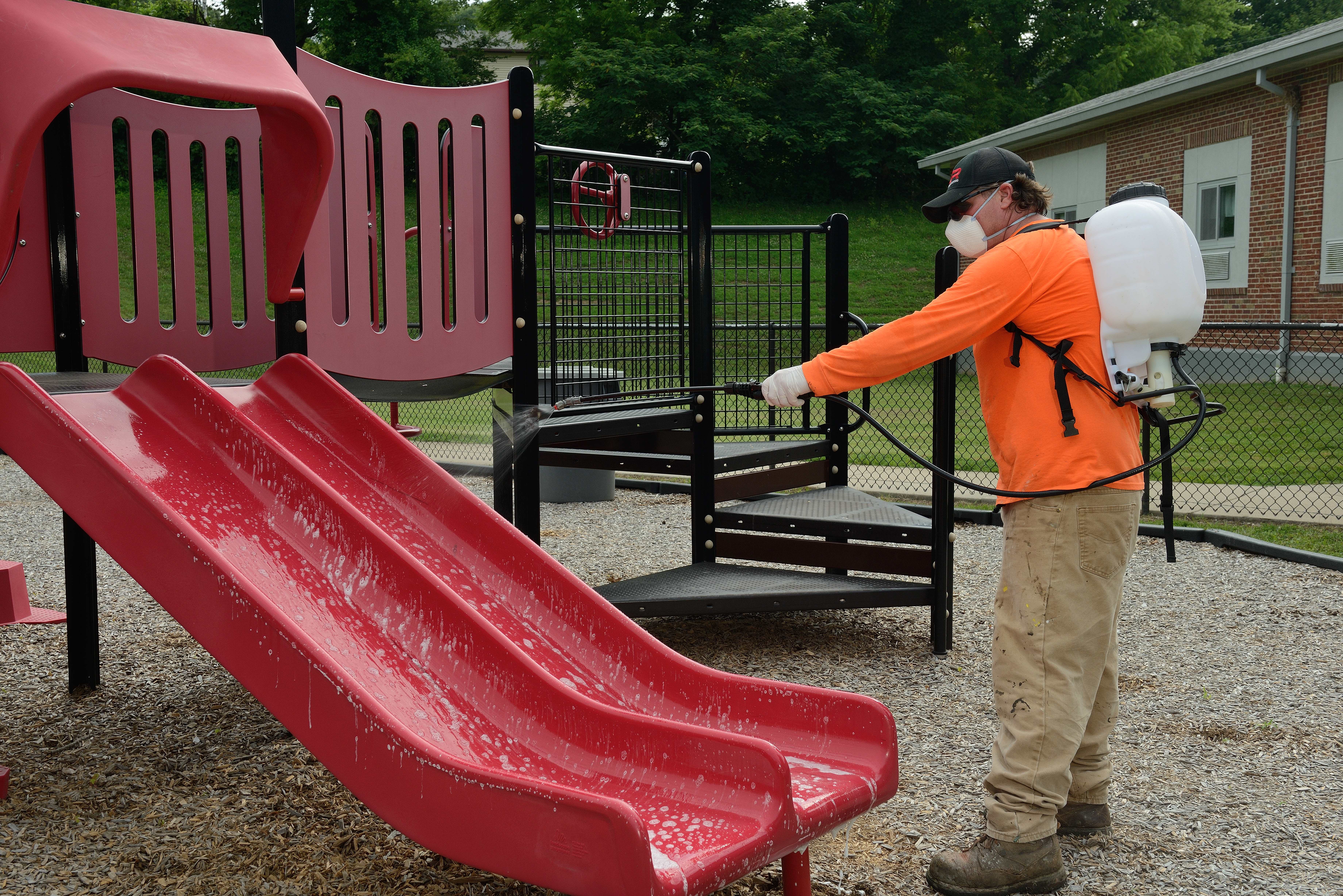
Photography has always played a crucial role in advertising, helping to convey messages, evoke emotions, and capture attention. In the realm of healthcare, photography takes on a unique significance, serving as a powerful tool for communicating the values, benefits, and outcomes associated with medical products and services. In this article, we will explore the profound impact of photography in healthcare advertising and delve into its various applications.

By visually representing medical professionals, facilities, and procedures, photography builds credibility and relatability, helping the audience connect on a deeper level.

The Power of Visual Communication

Visual communication is an essential aspect of advertising, and photography is at the forefront of this medium. In healthcare, where trust, empathy, and credibility are paramount, photography serves as a bridge between the medical world and the target audience. By capturing the essence of the healthcare experience, it allows viewers to connect on a deeper level, fostering a sense of relatability and understanding.

Establishing Trust and Credibility

When it comes to healthcare, establishing trust and credibility is vital. Patients and consumers are more likely to choose a healthcare provider or product they perceive as reliable and trustworthy. Photography can play a significant role in building this trust by visually representing the medical professionals, facilities, and equipment associated with the brand. By showcasing real healthcare providers and patients, photography humanizes the brand and instills confidence in its offerings.

Evoking Emotions and Empathy

Healthcare is a deeply personal and emotional field. Photography has the power to evoke a wide range of emotions, enabling advertisers to create a connection with their audience. By capturing genuine moments of joy, relief, or compassion, healthcare advertising can evoke empathy, resonating with the target audience’s own experiences and aspirations. The emotional impact of photography can be particularly impactful when promoting treatments for chronic conditions or showcasing the positive outcomes of medical interventions.

Visualizing Medical Procedures and Technologies

Many healthcare procedures and technologies are complex and difficult for the average person to comprehend. Photography can simplify these concepts by visually depicting them in a relatable and understandable way. Whether it’s illustrating the steps of a surgical procedure or showcasing the features of a new medical device, photography helps demystify healthcare processes and facilitates better comprehension among the audience. This visual aid can be especially useful in advertising campaigns targeting healthcare professionals or those in specialized medical fields.

Portraying Diversity and Inclusivity

Healthcare advertising should reflect the diverse nature of the population it serves. Photography allows advertisers to portray individuals from various backgrounds, ethnicities, ages, and genders, reinforcing the message of inclusivity. By showcasing diversity, healthcare advertising can create a sense of belonging and promote the idea that everyone can benefit from the brand’s offerings. Photography has the power to break stereotypes and promote a more inclusive and representative image of healthcare.

Authenticity and Realism

In an era dominated by digital manipulation, stock images, and staged scenarios, authenticity is more important than ever. Photography can bring a sense of realism to healthcare advertising by capturing genuine moments, real patients, and actual healthcare providers. By showcasing authenticity, advertisers can build credibility and resonate with viewers who are seeking genuine connections. Authenticity also helps in dispelling skepticism and gaining the trust of potential patients or customers.

Ethical Considerations

While photography is a powerful tool in healthcare advertising, ethical considerations must be taken into account. It is crucial to obtain proper consent and protect patient privacy when capturing medical images. Advertisers should follow established guidelines and ensure that the subjects of the photographs are fully aware of how their images will be used. Respecting confidentiality and maintaining the dignity of patients is of utmost importance to preserve trust and uphold ethical standards in healthcare advertising.

Conclusion

Photography plays a pivotal role in healthcare advertising, serving as a powerful medium for visual communication. Its ability to evoke emotions, establish trust, and showcase the authenticity of medical experiences makes it an indispensable tool in the promotion of healthcare products and services. By visually representing medical professionals, facilities, and procedures, photography builds credibility and relatability, helping the audience connect on a deeper level. It also plays a significant role in evoking empathy and portraying the diverse nature of the population healthcare serves.

Photography’s capacity to simplify complex medical concepts through visual aids enables better comprehension and education among the audience. It allows advertisers to showcase the benefits and outcomes of medical interventions, promoting positive health outcomes and inspiring hope. Moreover, the authenticity and realism captured through photography help to build trust and credibility, particularly in an era where skepticism and staged imagery are prevalent.

However, ethical considerations are essential when utilizing photography in healthcare advertising. Respecting patient privacy and obtaining proper consent are fundamental principles that must be adhered to. Advertisers should follow established guidelines and ensure that individuals are fully aware of how their images will be used, maintaining confidentiality and upholding ethical standards.

In conclusion, photography’s role in healthcare advertising is indispensable. It serves as a powerful tool for visual communication, establishing trust, evoking emotions, and simplifying complex medical concepts. Through authentic and diverse representation, it creates relatability and fosters inclusivity. Advertisers must navigate ethical considerations to protect patient privacy and maintain the dignity of individuals involved. With its ability to capture the essence of the healthcare experience, photography remains a vital element in effectively conveying the values, benefits, and outcomes associated with healthcare products and services.

314-913-5626

stlouiscameracrew@gmail.com

How our St Louis Video Production Crews Are Adapting to the Changing Landscape of Video Production

The world of video production has changed drastically in recent years. As technology continues to advance and consumer preferences shift, video production companies have had to adapt to stay ahead of the curve. At our St Louis-based video production company, we have seen firsthand how the industry has changed and have adapted our methods to better serve our clients. In this article, we will explore some of the ways our St Louis video production crews have adapted to the changing landscape of video production.

Emphasizing Storytelling

One of the biggest changes we have seen in the industry is the emphasis on storytelling. In the past, videos were often created to showcase a product or service, with the focus on the features and benefits. Now, consumers are more interested in the story behind the product or service. Our video production crews in St Louis now work closely with our clients to identify the story they want to tell and the emotions they want to evoke in their audience. We focus on creating videos that are engaging and memorable, with a strong narrative that resonates with viewers.

Incorporating Animation and Graphics

Another change we have seen in the industry is the increased use of animation and graphics. As attention spans continue to decrease and audiences become more visually sophisticated, videos that incorporate animation and graphics have become more popular. Our St Louis video production crews have embraced this trend, using animation and graphics to enhance our clients’ videos and make them more visually compelling. We work closely with our clients to create custom animations and graphics that match their brand and convey their message in a visually appealing way.

Utilizing Social Media

Social media has become a major force in the world of video production. Platforms like YouTube, Facebook, and Instagram have made it easier than ever to share videos with a wide audience. Our St Louis video production crews understand the importance of social media and work closely with our clients to create videos that are optimized for these platforms. We ensure that our videos are short, engaging, and easy to share, with captions and subtitles for viewers who may be watching without sound.

Going Virtual

The COVID-19 pandemic has had a major impact on the video production industry, forcing many companies to adapt to a virtual environment. At our St Louis video production company, we quickly adapted to this new reality, offering virtual video production services to our clients. Our virtual video production crews can work with clients anywhere in the world, using video conferencing technology to collaborate on video projects in real-time. This has allowed us to continue providing high-quality video production services to our clients, even during these challenging times.

Using Drone Video Shots

Another trend we have seen in the industry is the use of drone video clips. This technology allows viewers to immerse themselves in a video, experiencing it from all angles. Our St Louis video production crews have embraced this trend, using drone video to create immersive and engaging experiences for our clients’ audiences. We work closely with our clients to identify the best opportunities for drone imagery to ensure that the final product is optimized for a variety of platforms and devices.

Conclusion

The world of video production is constantly evolving, with new technologies and trends emerging all the time. At our St Louis video production company, we have adapted to these changes, incorporating new techniques and technologies to better serve our clients. By emphasizing storytelling, incorporating animation and graphics, utilizing social media, going virtual, and using 360-degree video, we have been able to create videos that are engaging, memorable, and effective. We look forward to continuing to adapt to the changing landscape of video production and providing our clients with the best possible video production services.

314-913-5626

stlouiscameracrew@gmail.com

The Importance of Consistency in Product Photography | How Our Photographers Deliver

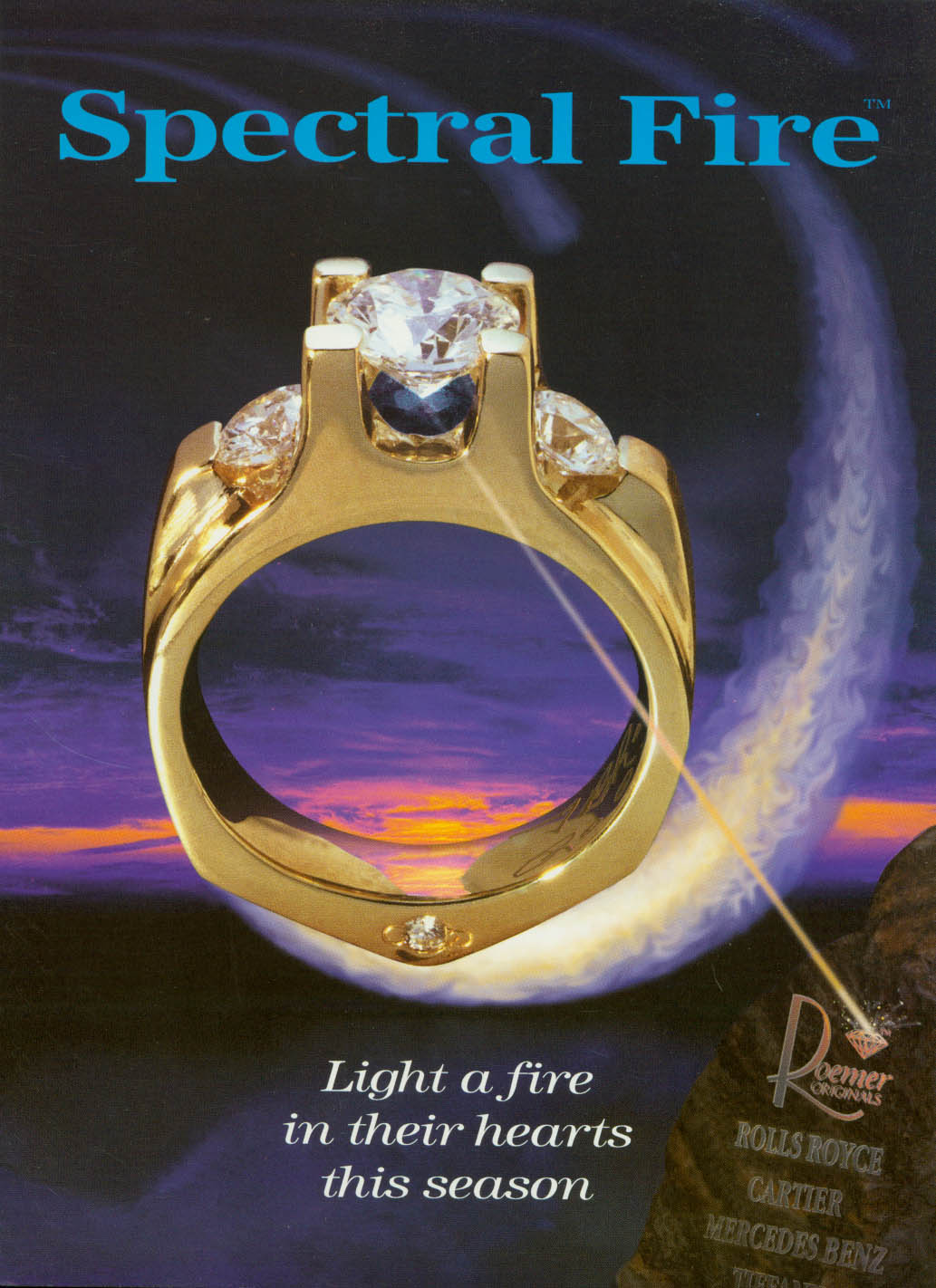
Product photography is key for businesses selling tangible items. From small e-commerce stores to huge companies, high quality images are a must to present products attractively and professionally. Product photography is a reflection of your brand, and helps build customer trust and loyalty. It’s vital that the photos you use are consistent, and true to your product both in print and online.

At our studio, we understand the significance of creating quality product photography that reflects your product and strengthens your brand message. Our team of seasoned photographers take pictures that don’t leave any room for misunderstanding how your products look or work. We use top-of-the-line equipment to make sure no details get lost or distorted when capturing your products in appealing ways.

Our aim is to produce photographs with impeccable consistency over all channels, so customers can make informed decisions when looking at product info online or in a physical store. With our well-thought-out workflow from quoting to delivery, we make sure expenses are kept low without compromising the quality of our work— something we’re proud to offer time and time again, no matter the size or scope of the task.

Consistency in Product Photography

Product photography must be consistent. This makes sure the product’s visual identity looks the same, no matter what platform or medium it is seen on. This creates a unified customer experience.

Our photographers do this by delivering consistent images each time. Let’s look at how our photographers make this happen.

Quality

Product photography is a team effort. Quality assurance is key to meet brand expectations. Quality starts with the right equipment and understanding of visuals desired. Our professional photographers are trained on advanced lighting techniques and know the rules of angles. They capture details that show off brands’ products. We guarantee same-day delivery, so you can get high-quality photos quickly.

Our photographers strive for perfectionism in their work, creating consistency across websites and catalogs. Creative professionals from various fields help us create variations, product videos and lifestyle sets. We craft unique narratives about our clients’ products faster than ever!

Color

Accurate color is crucial for product photography. It ensures your images show up the same way no matter where they are. This helps build reliability for your brand. Color accuracy is especially important for seasonal campaigns or to set your product apart from the competition.

Our photographers use special gear to show textures and shapes. Plus, they pay attention to colors while shooting. We also use special post-production techniques to make sure colors look consistent in all types of lighting. We can also adjust the colors if needed to match your branding. This way, our photos will emphasize trustworthiness, vibrancy, or whatever else you need.

Lighting

Light is vital for product photography. Consistent lighting sources create varied and consistent images. Daylight or artificial light can be used, both via a professional-grade lighting system. Daylight reflects natural light, whilst artificial light can be manipulated for shadows, reflections, etc. LED lights and reflectors can also be used to create dynamic effects that evoke emotions.

Our photographic team works hard to ensure each product shot has a consistent level of lighting.

Composition

Composition can make or break product photography shots. Professional photographers use the “rule of thirds,” placing subjects one third of the way into the frame either horizontally or vertically. Light positioning and expressing depth are also important.

The ideal composition must support the purpose of the image and draw attention to the product. Angle of view depends on how much detail needs to be visible and how large an area should appear. Leave enough space around the object, without getting too close.

Photographers have mastered techniques like selective focus, shallow depth of field, panoramic views, symmetric balance and shadowing. These techniques make compositions more impactful.

Our Photographers’ Process

Our photography studio is all about one style and approach to product photography. We want it to look professional and consistent. Our photographers know that their images are a reflection of their work and our company’s name. So, they have a process to make sure everything’s consistent.

Let’s go through this step-by-step.

Preparation

At Boston Creative, we understand the value of consistency in product photography. Our photographers have a reliable method of taking pictures in both seamless and realistic settings. We always prepare before the shoot to guarantee that each image is tailored to your brand.

Our team has a methodical preparation process. All elements—lighting, angles, wardrobe, props and styling—are taken into account so that your product looks perfect. Our art directors will oversee the session from start to finish. They visualize the exact poses and movements that reflect your desired style. They work within the budget while being open to unexpected surprises. The goal is simple: create striking images that your target audience will love. These can be used for websites, print ads or brochures.

Shooting

Our photographers have their own way of working. First, they chat with the client to learn what they want. Then, they take into account the client’s instructions on lighting and set design. Following that, they set up the camera, lights, and backdrop.

After that, they arrange props according to the project’s needs and adjust the settings on the camera and lens for sharp focus. Finally, they fill and frame the shot.

When all looks good, they snap test shots and any extra frames for retouching or motion graphic work. They then move on to color correction to ensure colors are accurate in each image. Tonal adjustments come next if necessary. Finally, they deliver a product that meets the client’s expectations.

Post-production

Post-production follows the photo shoot and is key to product photography. Our photographers grasp the significance of uniformity across all images, so they strive to have even individual products look the same.

At this stage, they start editing and optimizing the images. This includes color correction, exposure adjustment, cropping, straightening, removing any unwanted objects, and other edits to make the image fit for a final presentation.

Our photographers create a file naming scheme per project specification, making it simpler for the design team to add branding elements. Software like Photoshop or Lightroom are used to export files with specified settings for quality assurance. Uncompressed copies of each image are provided, then compressed into their final formats; maintaining optimal image quality and optimizing for websites and social media networks.

We continue to focus on consistency by educating our photographers and customers on the process throughout every project’s lifecycle. This ensures that each part is finished accurately, according to brief requirements, to create high-quality end results every time.

Benefits of Consistency

Consistency in product photography is great for businesses. It gives a recognisable brand identity and ensures customers see the same image of the product across different platforms. Plus, it builds trust and familiarity with the product.

Let’s explore the key benefits of consistency in product photography.

Brand Recognition

Brand recognition is vital for successful marketing. People must be able to spot your product quickly and easily when making a choice. Consistent product photography is a great way to ensure recognition of your brand.

It conveys quality and trustworthiness, helping with customer loyalty and familiarity. People become more confident with brands they recognise and understand. Consistent product imagery will also improve search engine visibility. Photos that use relevant keywords make it easier for customers to find what they’re looking for.

Maintaining consistency also allows customers to connect images to particular products or moments. Good photography helps customers get a better feeling for products, increasing the likelihood of purchase.

Increased Sales

Consistent product look, feel and branding are essential for successful product photography. It can lead to more sales. Customers identify the same products from different retailers. This builds trust and makes them remember brands.

Consistency gives credibility to all types of marketing such as social media, Amazon listings and storefronts. Different images on various sites give customers an unpredictable experience with no assurance of the product they’ll get. This reflects poorly on brands.

Shooting product images consistently across multiple shots gives customers ease in comparison shopping. They have confidence to choose from one reliable source instead of having to go elsewhere. This saves time and strengthens the relationship with the brand. Uniformity also allows photographers to create a portfolio that stands out among competitors due to quality, trustworthiness and reputation.

More Trustworthy Brand

Standing out in a competitive market can be tough. A better option is to keep the visuals of your brand consistent. Repetition will build trust with customers. People like to see images that represent a brand in the same way. This helps them identify and attach themselves to the brand.

Investing in product photography has lots of rewards. Brand recognition increases loyalty and trust from customers. A unified style across all products shows credibility. This makes people trust what you are offering. Consistency lets customers know you are proud of the quality of the product. This creates a feeling of security when they make a purchase.

Consistent product photography also allows people to imagine using the product. High-quality images let them see the features of the product. Visitors become comfortable with what they are seeing. They know what they will get when they buy from your company.

In conclusion, consistent product photography will give you customer loyalty and trust. This is invaluable for any business selling online!

Conclusion

Our pro photogs provide a consistent product photography experience no matter the size of the project. We use tried-and-true methods and protocols to deliver product pics that are top-notch and match your branding.

The right lighting, angles, props, and backgrounds make beautiful, accurate images. We consider things like exposure settings, white balance, colors, and shadows/highlights to create eye-catching shots that boost conversions.

By developing a database of consistent imagery for your biz, you can quickly communicate your brand message to prospects. Additionally, consistency ensures recognition, as customers get used to seeing what they expect. This reinforces your brand.