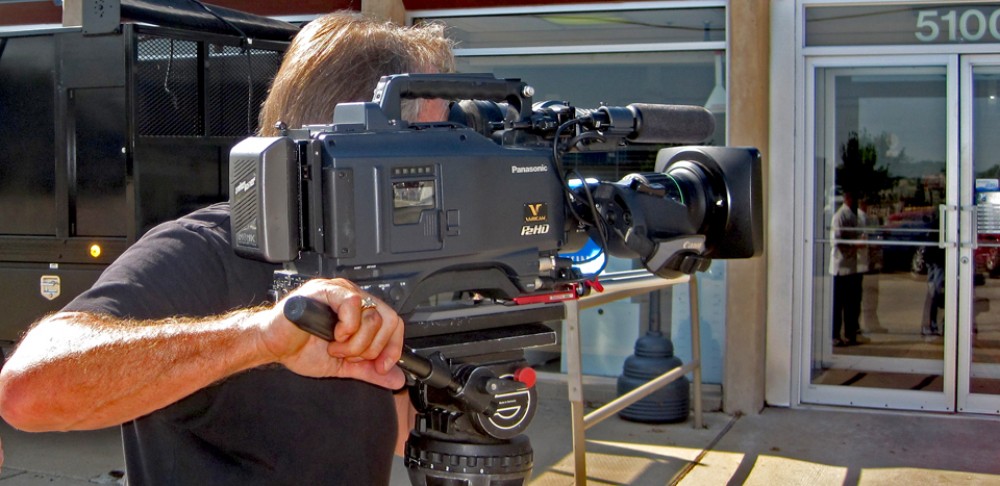
Have you ever watched a film or video that left you feeling captivated and emotionally invested in the story being told? Chances are, the camera movement played a significant role in drawing you in and immersing you in the narrative. Camera movement is a powerful storytelling tool that can elevate your videos from mundane to cinematic. Whether you’re a filmmaker or a content creator, understanding how to use camera movement effectively can make all the difference in creating compelling videos that resonate with your audience. In this article, we’ll explore the different types of camera movement and how to use them to tell a story in your videos. Get ready to take your video content to the next level and leave your viewers spellbound with your storytelling skills.
Types of Camera Movement
Camera movement is an essential aspect of filmmaking, and there are countless techniques and tools available to achieve different effects. Some of the most common types of camera movement include pans, tilts, zooms, dollies, and handheld shots.
Panning involves moving the camera horizontally from one side to another, while tilting is moving the camera vertically up or down. Zooming is changing the focal length of the camera lens to make the subject appear closer or further away, while a dolly shot is moving the camera on a track, creating a smooth horizontal movement. Handheld shots are unsteady movements made while holding the camera without any assistance.
Each type of camera movement can create different effects and contribute to the overall mood and tone of your video. For example, a slow pan can create a sense of calm and tranquility, while a fast pan can create a sense of urgency or chaos. Understanding the impact of each type of camera movement is crucial to telling your story effectively.
The Impact of Camera Movement on Storytelling
Camera movement can have a profound effect on storytelling, and understanding how to use it effectively is crucial to creating compelling videos. Camera movement can help create mood, emphasize action, and convey emotion.
For example, a slow, steady camera movement can create a sense of calm and tranquility, while a fast, shaky camera movement can create a sense of unease or tension. Using camera movement to emphasize action can help draw the viewer’s attention to specific details, such as a character’s facial expression or a particular object in the shot.
Camera movement can also convey emotion, such as using a slow zoom to create a sense of intimacy or a fast pan to create a sense of chaos. Understanding how to use camera movement to convey emotion can help you create a strong emotional connection with your audience and make your videos more impactful.
Planning Your Camera Movements
Planning your camera movements is essential to creating a compelling video that tells a story effectively. Storyboarding and shot lists are two essential tools that can help you plan your camera movements and visualize your story before you start filming.
Storyboarding involves creating a visual representation of each shot in your video, including camera angles and movements. Shot lists, on the other hand, provide a more detailed breakdown of each shot, including camera movements, framing, and other technical details.
By planning your camera movements in advance, you can ensure that every shot contributes to the overall story and helps you achieve your creative vision.
Camera Movement Techniques for Different Types of Shots
Different types of shots require different camera movement techniques to tell the story effectively. Wide shots, for example, often require slow, steady camera movements to create a sense of scale and grandeur, while close-ups may require fast, precise camera movements to emphasize facial expressions and other details.
Action sequences often require more dynamic camera movements, such as handheld shots or fast pans, to create a sense of tension and excitement. Understanding how to use different camera movement techniques for different types of shots can help you tell your story more effectively and create a stronger emotional connection with your audience.

Tips for Using Camera Movement to Enhance Your Videos
Using camera movement effectively requires more than just understanding technical details. Framing, pacing, and rhythm are all essential aspects of using camera movement to enhance your videos.
Framing involves positioning the camera in a way that creates a strong visual composition, emphasizing the subject and creating a sense of balance and symmetry. Pacing refers to the overall speed of your video, including the speed of camera movements, and can help create a sense of tension or relaxation. Rhythm involves the timing of your camera movements, including when to start and stop, and can help create a sense of flow and continuity.
By paying attention to framing, pacing, and rhythm, you can use camera movement to create a more engaging and immersive viewing experience for your audience.
Examples of Great Camera Movement in Film and Video
Some of the most memorable and impactful videos in history have used camera movement to tell their stories effectively. From classic cinema to modern filmmaking, camera movement has played a crucial role in creating compelling narratives that resonate with audiences.
One example of great camera movement is the iconic dolly shot in Martin Scorsese’s Goodfellas, which follows the main character as he walks through the kitchen of a restaurant. The smooth, steady camera movement creates a sense of tension and anticipation, drawing the viewer into the story.
Another example is the use of handheld camera movements in the television series The Office, which creates a sense of intimacy and realism, making the viewer feel like they are part of the action.
Tools and Equipment for Achieving Professional Camera Movement
Achieving professional camera movement requires the right tools and equipment. Tripods, gimbals, and sliders are all essential tools that can help you achieve smooth, steady camera movements and create a professional-looking video.
Tripods are essential for creating steady shots, while gimbals can help you achieve smooth, fluid camera movements. Sliders are also useful for creating smooth horizontal movements, such as dolly shots, and can help you achieve a professional-looking video without breaking the bank.
How to Incorporate Camera Movement into Your Video Editing
Camera movement doesn’t stop when filming is done. Incorporating camera movement into your video editing can help create a more engaging and immersive viewing experience for your audience. Cutting on movement, creating transitions, and adding visual effects are all useful techniques for incorporating camera movement into your video editing.
Cutting on movement involves ending one shot and starting the next shot on a movement, creating a sense of continuity and flow. Transitions, such as fades and dissolves, can also help create a sense of flow and continuity. Visual effects, such as speed ramps and motion blur, can help emphasize camera movements and create a more dynamic viewing experience.
Conclusion
Storytelling is an essential aspect of video content, and camera movement is a powerful tool that can help you tell your story more effectively. Understanding the different types of camera movement, how to plan your shots, and how to use camera movement to create mood, emphasize action, and convey emotion can help you create compelling videos that resonate with your audience. By paying attention to framing, pacing, and rhythm, and using the right tools and equipment, you can achieve professional-looking camera movements that elevate your videos to the next level.
 st louis camera crew