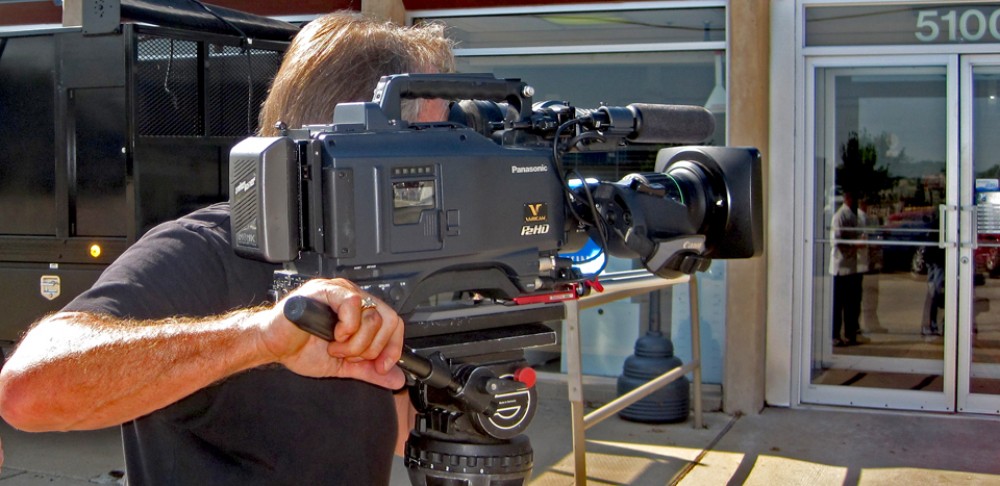
Product photography is key for businesses selling tangible items. From small e-commerce stores to huge companies, high quality images are a must to present products attractively and professionally. Product photography is a reflection of your brand, and helps build customer trust and loyalty. It’s vital that the photos you use are consistent, and true to your product both in print and online.
At our studio, we understand the significance of creating quality product photography that reflects your product and strengthens your brand message. Our team of seasoned photographers take pictures that don’t leave any room for misunderstanding how your products look or work. We use top-of-the-line equipment to make sure no details get lost or distorted when capturing your products in appealing ways.
Our aim is to produce photographs with impeccable consistency over all channels, so customers can make informed decisions when looking at product info online or in a physical store. With our well-thought-out workflow from quoting to delivery, we make sure expenses are kept low without compromising the quality of our work— something we’re proud to offer time and time again, no matter the size or scope of the task.
Consistency in Product Photography
Product photography must be consistent. This makes sure the product’s visual identity looks the same, no matter what platform or medium it is seen on. This creates a unified customer experience.
Our photographers do this by delivering consistent images each time. Let’s look at how our photographers make this happen.
Quality
Product photography is a team effort. Quality assurance is key to meet brand expectations. Quality starts with the right equipment and understanding of visuals desired. Our professional photographers are trained on advanced lighting techniques and know the rules of angles. They capture details that show off brands’ products. We guarantee same-day delivery, so you can get high-quality photos quickly.
Our photographers strive for perfectionism in their work, creating consistency across websites and catalogs. Creative professionals from various fields help us create variations, product videos and lifestyle sets. We craft unique narratives about our clients’ products faster than ever!
Color
Accurate color is crucial for product photography. It ensures your images show up the same way no matter where they are. This helps build reliability for your brand. Color accuracy is especially important for seasonal campaigns or to set your product apart from the competition.
Our photographers use special gear to show textures and shapes. Plus, they pay attention to colors while shooting. We also use special post-production techniques to make sure colors look consistent in all types of lighting. We can also adjust the colors if needed to match your branding. This way, our photos will emphasize trustworthiness, vibrancy, or whatever else you need.
Lighting
Light is vital for product photography. Consistent lighting sources create varied and consistent images. Daylight or artificial light can be used, both via a professional-grade lighting system. Daylight reflects natural light, whilst artificial light can be manipulated for shadows, reflections, etc. LED lights and reflectors can also be used to create dynamic effects that evoke emotions.
Our photographic team works hard to ensure each product shot has a consistent level of lighting.



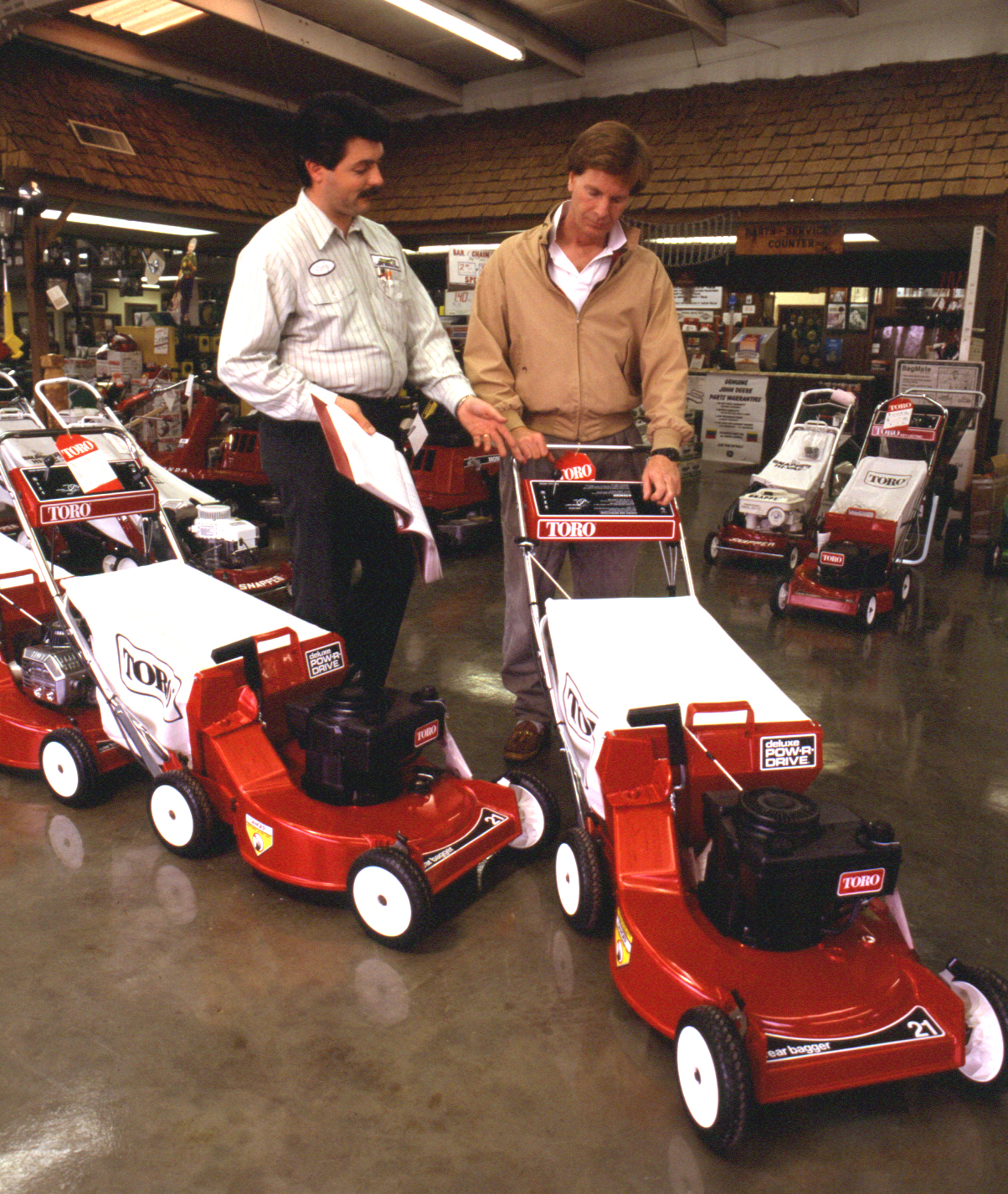

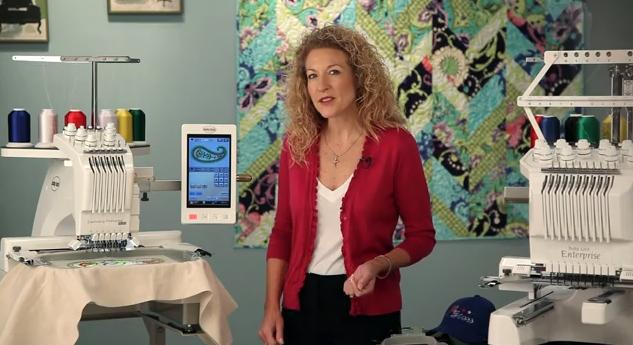


Composition
Composition can make or break product photography shots. Professional photographers use the “rule of thirds,” placing subjects one third of the way into the frame either horizontally or vertically. Light positioning and expressing depth are also important.
The ideal composition must support the purpose of the image and draw attention to the product. Angle of view depends on how much detail needs to be visible and how large an area should appear. Leave enough space around the object, without getting too close.
Photographers have mastered techniques like selective focus, shallow depth of field, panoramic views, symmetric balance and shadowing. These techniques make compositions more impactful.
Our Photographers’ Process
Our photography studio is all about one style and approach to product photography. We want it to look professional and consistent. Our photographers know that their images are a reflection of their work and our company’s name. So, they have a process to make sure everything’s consistent.
Let’s go through this step-by-step.
Preparation
At Boston Creative, we understand the value of consistency in product photography. Our photographers have a reliable method of taking pictures in both seamless and realistic settings. We always prepare before the shoot to guarantee that each image is tailored to your brand.
Our team has a methodical preparation process. All elements—lighting, angles, wardrobe, props and styling—are taken into account so that your product looks perfect. Our art directors will oversee the session from start to finish. They visualize the exact poses and movements that reflect your desired style. They work within the budget while being open to unexpected surprises. The goal is simple: create striking images that your target audience will love. These can be used for websites, print ads or brochures.
Shooting
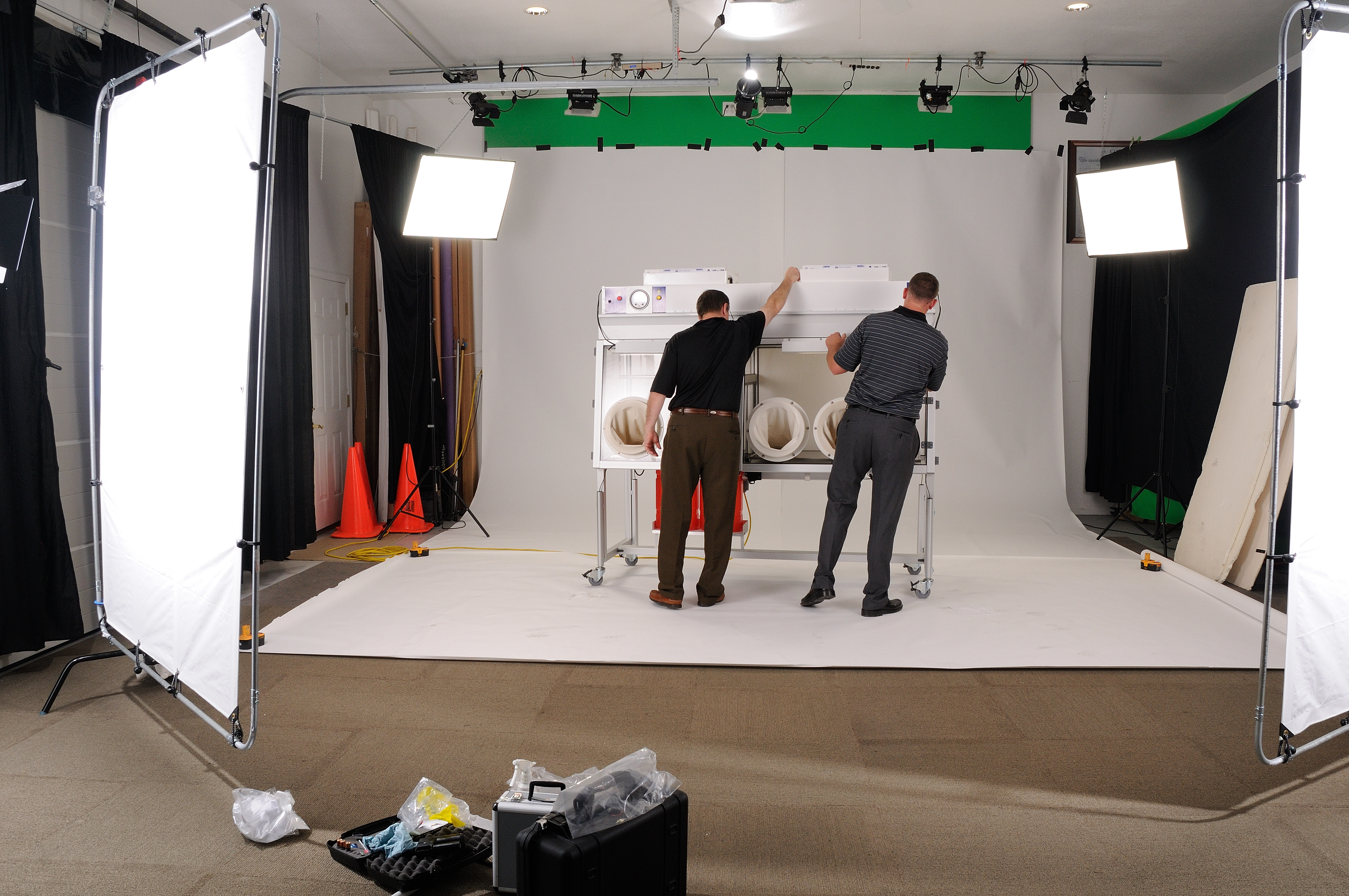
Our photographers have their own way of working. First, they chat with the client to learn what they want. Then, they take into account the client’s instructions on lighting and set design. Following that, they set up the camera, lights, and backdrop.
After that, they arrange props according to the project’s needs and adjust the settings on the camera and lens for sharp focus. Finally, they fill and frame the shot.
When all looks good, they snap test shots and any extra frames for retouching or motion graphic work. They then move on to color correction to ensure colors are accurate in each image. Tonal adjustments come next if necessary. Finally, they deliver a product that meets the client’s expectations.





Post-production
Post-production follows the photo shoot and is key to product photography. Our photographers grasp the significance of uniformity across all images, so they strive to have even individual products look the same.
At this stage, they start editing and optimizing the images. This includes color correction, exposure adjustment, cropping, straightening, removing any unwanted objects, and other edits to make the image fit for a final presentation.
Our photographers create a file naming scheme per project specification, making it simpler for the design team to add branding elements. Software like Photoshop or Lightroom are used to export files with specified settings for quality assurance. Uncompressed copies of each image are provided, then compressed into their final formats; maintaining optimal image quality and optimizing for websites and social media networks.
We continue to focus on consistency by educating our photographers and customers on the process throughout every project’s lifecycle. This ensures that each part is finished accurately, according to brief requirements, to create high-quality end results every time.
Benefits of Consistency
Consistency in product photography is great for businesses. It gives a recognisable brand identity and ensures customers see the same image of the product across different platforms. Plus, it builds trust and familiarity with the product.
Let’s explore the key benefits of consistency in product photography.
Brand Recognition
Brand recognition is vital for successful marketing. People must be able to spot your product quickly and easily when making a choice. Consistent product photography is a great way to ensure recognition of your brand.
It conveys quality and trustworthiness, helping with customer loyalty and familiarity. People become more confident with brands they recognise and understand. Consistent product imagery will also improve search engine visibility. Photos that use relevant keywords make it easier for customers to find what they’re looking for.
Maintaining consistency also allows customers to connect images to particular products or moments. Good photography helps customers get a better feeling for products, increasing the likelihood of purchase.
Increased Sales
Consistent product look, feel and branding are essential for successful product photography. It can lead to more sales. Customers identify the same products from different retailers. This builds trust and makes them remember brands.
Consistency gives credibility to all types of marketing such as social media, Amazon listings and storefronts. Different images on various sites give customers an unpredictable experience with no assurance of the product they’ll get. This reflects poorly on brands.
Shooting product images consistently across multiple shots gives customers ease in comparison shopping. They have confidence to choose from one reliable source instead of having to go elsewhere. This saves time and strengthens the relationship with the brand. Uniformity also allows photographers to create a portfolio that stands out among competitors due to quality, trustworthiness and reputation.
More Trustworthy Brand
Standing out in a competitive market can be tough. A better option is to keep the visuals of your brand consistent. Repetition will build trust with customers. People like to see images that represent a brand in the same way. This helps them identify and attach themselves to the brand.
Investing in product photography has lots of rewards. Brand recognition increases loyalty and trust from customers. A unified style across all products shows credibility. This makes people trust what you are offering. Consistency lets customers know you are proud of the quality of the product. This creates a feeling of security when they make a purchase.
Consistent product photography also allows people to imagine using the product. High-quality images let them see the features of the product. Visitors become comfortable with what they are seeing. They know what they will get when they buy from your company.
In conclusion, consistent product photography will give you customer loyalty and trust. This is invaluable for any business selling online!
Conclusion
Our pro photogs provide a consistent product photography experience no matter the size of the project. We use tried-and-true methods and protocols to deliver product pics that are top-notch and match your branding.
The right lighting, angles, props, and backgrounds make beautiful, accurate images. We consider things like exposure settings, white balance, colors, and shadows/highlights to create eye-catching shots that boost conversions.
By developing a database of consistent imagery for your biz, you can quickly communicate your brand message to prospects. Additionally, consistency ensures recognition, as customers get used to seeing what they expect. This reinforces your brand.

 st louis camera crew